Leather Bag Patina: How Leather Ages Beautifully Over Time
.jpg)
Quick Answer
What Patina Tells You About Leather Quality When a leather bag develops a patina, it is telling you something important: the leather is genuine, full-grain, and alive in the way that only natural materials can be. Synthetic leather does not patina. Bonded leather does not patina. Only the real thing — the complete outer surface of a hide, processed with its natural oils intact — changes, deepens, and improves over years of use. Understanding leather patina changes how you think about leather bags. Instead of worrying about a bag showing signs of age, you start to appreciate those signs as
Key Points
- 1What Patina Tells You About Leather Quality When a leather bag develops a patina, it is telling you something important: the leather is genuine, full-grain, and alive in the way that only natural materials can be
- 2Synthetic leather does not patina
- 3Bonded leather does not patina
- 4Only the real thing — the complete outer surface of a hide, processed with its natural oils intact — changes, deepens, and improves over years of use
- 5Understanding leather patina changes how you think about leather bags
What Patina Tells You About Leather Quality
When a leather bag develops a patina, it is telling you something important: the leather is genuine, full-grain, and alive in the way that only natural materials can be. Synthetic leather does not patina. Bonded leather does not patina. Only the real thing — the complete outer surface of a hide, processed with its natural oils intact — changes, deepens, and improves over years of use.
Understanding leather patina changes how you think about leather bags. Instead of worrying about a bag showing signs of age, you start to appreciate those signs as evidence of quality and history.
What Causes Leather to Patina
Leather patina is created by a combination of:
Natural hand oils: Every time you handle a leather bag, the oils from your skin are absorbed into the leather surface. Over months and years, this creates a subtle darkening and polish in the areas you touch most — handles, flap edges, and the bag body.Light exposure: UV light from indirect sunlight gradually deepens the color of full-grain leather, creating tonal variation between areas that receive more and less light. This is especially visible on tan and camel-colored leathers, which shift toward rich honey and cognac tones.Surface oil migration: The natural oils within the leather itself redistribute over time, creating a self-polishing effect that deepens the surface sheen without any product applied.Environmental humidity: Natural moisture cycles cause leather fibers to expand and contract slightly over time, gradually burnishing the surface to a soft gloss.What a Patina Looks Like
The visual signature of a developing patina varies by leather color:
Tan and camel leather: Deepens toward honey and amber. The lightest areas — edges, raised grain, handle tops — become noticeably richer.Cognac leather: Develops deeper auburn and chocolate tones in high-use areas, with the body retaining more of the original tone.Black leather: Develops a deep, complex gloss that looks far more interesting than new black leather. High-use areas achieve a mirror-like quality.Brown leather: The most dramatic patina changes — mid-brown leather can shift toward deep espresso tones in handled areas, with the body warming to a rich mahogany.How to Encourage a Beautiful Patina
You cannot rush patina artificially, but you can use your bag in ways that help it develop evenly and attractively.
Use the bag daily
The most effective patina-builder is simply consistent use. Daily handling distributes hand oils evenly across the leather surface. Bags used daily develop a more uniform, attractive patina than bags used occasionally.Keep the leather clean and conditioned
Dirt and grime interfere with healthy patina development by clogging leather pores. Clean the bag regularly with a slightly damp cloth and condition every 6 months. Clean leather patinas more beautifully than neglected leather.Let it see light — carefully
Indirect sunlight (never direct, which causes uneven fading) gradually deepens leather color. Carrying the bag outdoors naturally exposes it to beneficial light. Storing a bag in complete darkness slows patina development.Handle the entire surface
Many bags develop patina unevenly because the handles and exterior get regular contact while the back panel and sides are rarely touched. Deliberately handling the full exterior when conditioning the bag encourages more even development.What NOT to Do to Your Patina
Don't clean aggressively: Harsh cleaners strip the surface oils that create patina. Use only a damp cloth and leather-specific cleaners.Don't use silicone products: These create a surface film that blocks the natural patina process.Don't store in plastic: Leather needs air circulation. Plastic suffocates leather and disrupts natural aging.Don't worry about uneven tones: Some tonal variation between high-use and low-use areas is the natural character of a developing patina. It is not a defect.Patina and Resale Value
A well-maintained, patinated full-grain leather bag commands strong resale prices — often 50 to 70 percent of original value even after 5 to 10 years of use. Buyers in the pre-owned market actively seek patinated leather goods because:
- The patina confirms authentic full-grain leather
- A patinated bag shows the leather has been maintained, not neglected
- The aged character is aesthetically valuable in itself
This makes a full-grain leather bag with a developing patina a genuinely appreciating asset in the right hands.
The Bottom Line
Patina is leather doing what it is supposed to do — aging gracefully, telling the story of its use, and becoming more beautiful over time. It is the clearest visual proof that you bought genuine, quality leather. Rather than protecting your bag from developing a patina, embrace it. Use the bag daily, maintain it properly, and let the material evolve. A decade from now, that patina will be the most distinctive thing about the bag — and the reason you will never want to replace it.
Why Trust Elova Bags?
98% Customer Satisfaction
Based on 10,000+ customer reviews
10,000+ Products Sold
Trusted by customers worldwide
Premium Quality Guaranteed
Genuine leather, handcrafted excellence
7-Day Money-Back Guarantee
Shop with confidence
Ready to Find Your Perfect Bag?
Browse our collection of premium leather handbags crafted with care and attention to detail
Order NowFrequently Asked Questions
QWhat is leather patina?
Leather patina is the natural change in color, texture, and sheen that full-grain leather develops over time through handling and use. The oils from your hands, exposure to light, and the natural aging of the leather's surface oils create a deepening of tone, a subtle gloss, and color variation that makes the leather look richer and more characterful with every passing year. Patina is considered a hallmark of quality — it only develops on genuine full-grain leather, never on synthetic or low-grade bonded leather.
QDoes all leather develop a patina?
Only full-grain leather develops a true patina. Full-grain leather retains the complete outer surface of the hide with its natural oils and grain intact, which allows it to respond to handling and light over time. Top-grain leather, which has been sanded and embossed, develops a much less pronounced patina. Bonded leather, genuine leather (split hide), and synthetic materials do not patina — they simply wear, crack, and peel.
QHow do you speed up leather patina?
The most natural way to develop patina quickly is simply to use the bag daily. Hand oils, body heat from carrying, and consistent light exposure all accelerate the process. Some leather enthusiasts apply a very thin coat of leather conditioner and then deliberately expose the bag to indirect sunlight for short periods to encourage tonal deepening. Avoid artificial accelerants like vegetable oils — these can go rancid and damage the leather rather than encouraging a healthy patina.
QIs a patina on a leather bag good or bad?
Patina is universally considered desirable on full-grain leather. It is evidence of authentic material, quality construction, and regular use — all positive signals. A well-developed patina on a leather bag increases its perceived and actual value. The resale market for patinated full-grain leather goods is robust precisely because buyers recognize that a rich patina signals genuine material and years of careful ownership.
Shop the Look
Complete your style with these matching pieces
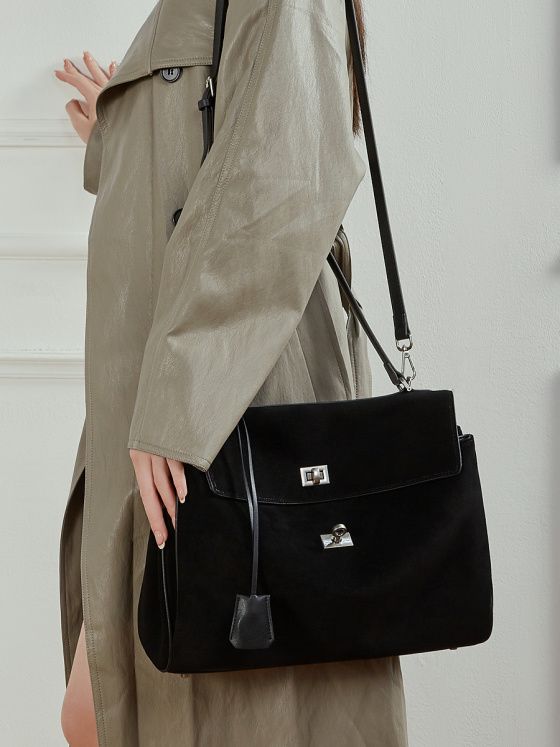
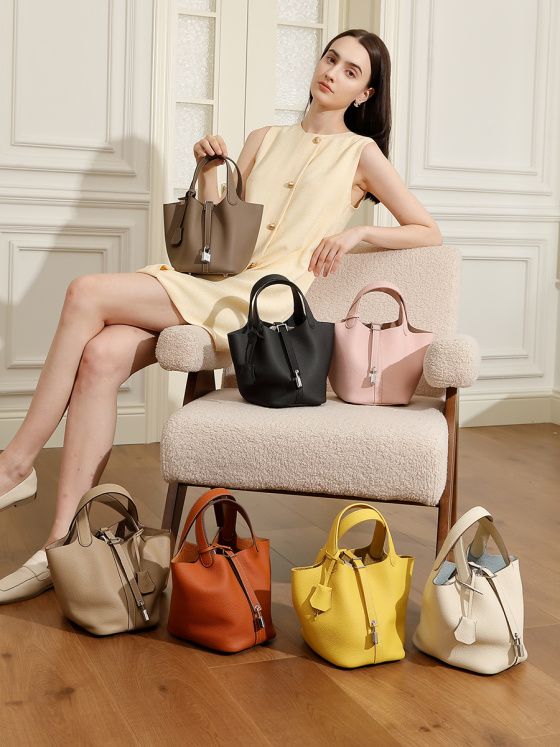
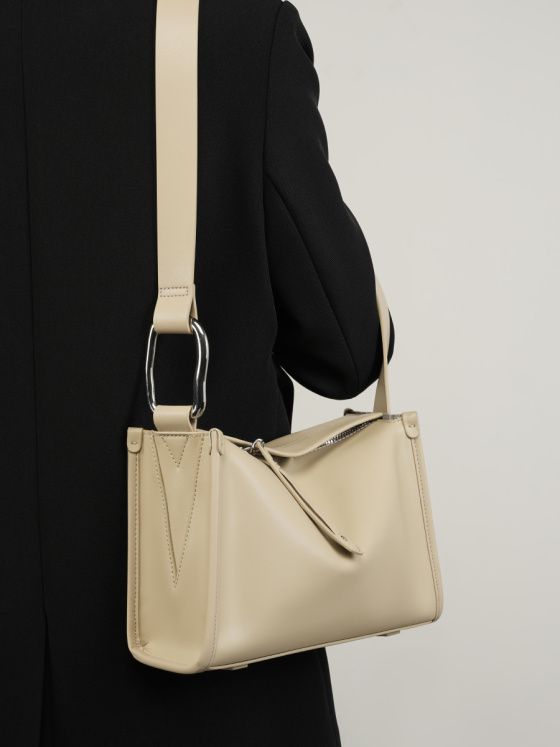
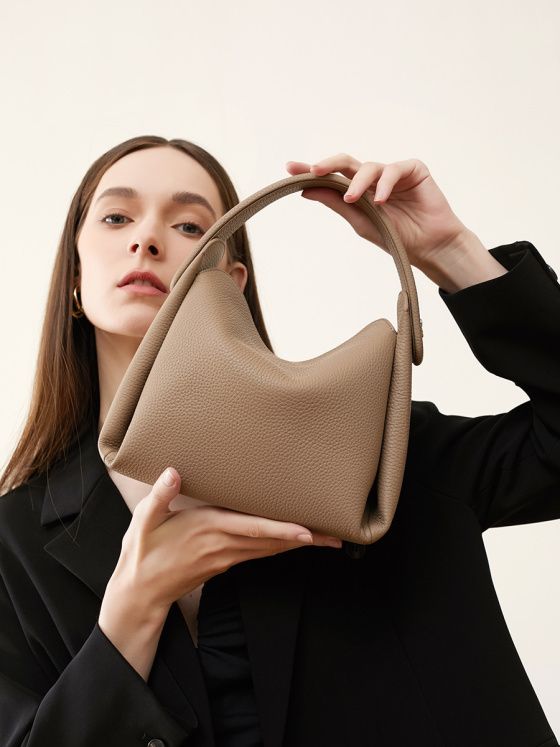
Shop Related Products
Elova Handcrafted Genuine Leather * Crossbody Bag in Black - E783
Elevate your everyday style with this handcrafted genuine leather vintage crossbody bag - large capa...
$359Elova Handcrafted Genuine Leather - Bag in Black - E693
Elevate your everyday style with this handcrafted genuine cowhide leather fashion women's bag - vers...
$199Elova Handcrafted Genuine Leather - Bag in White - E434
Elevate your everyday style with this handcrafted genuine leather large capacity handbag - premium d...
$219Elova Handcrafted Genuine Leather - Crossbody Bag in Black - E280
Elevate your everyday style with this handcrafted genuine cowhide leather premium handbag - versatil...
$259Related Articles
- How to Clean Leather Handbags: Complete Step-by-Step Guide
Step-by-step instructions for cleaning your leather handbags.
- How to Store Leather Handbags Properly: Storage Guide
Learn the best practices for storing your leather handbags.
- Genuine Leather vs Faux Leather: Complete Comparison Guide
Compare genuine leather and faux leather to make informed decisions.
Related Articles
- How to Choose the Right Handbag Size: Complete Size Guide
Complete guide to choosing the perfect handbag size.
- Crossbody vs Shoulder Bag vs Tote: Which Handbag Style is Right for You?
Compare different handbag styles to find your perfect match.
- Best Leather Handbags Under $200 for Everyday Use
Discover affordable, quality leather handbags.