How to Store Leather Handbags Properly: Storage Guide
.jpg)
Quick Answer
Why Leather Requires Special Attention Leather is a natural material that responds to its environment. Unlike synthetic materials, leather breathes, absorbs moisture, and changes over time. Understanding how to store leather handbags means working with these natural properties rather than against them. When stored improperly, leather develops problems that range from cosmetic to catastrophic. Surface cracking, mold growth, color fading, stiffening, and permanent shape loss all result from storage mistakes. These issues often cannot be fully reversed, making prevention essential. The investment in a quality leather handbag deserves protection through proper storage. Whether your bag cost $200 or $2,000, the
Key Points
- 1Why Leather Requires Special Attention Leather is a natural material that responds to its environment
- 2Unlike synthetic materials, leather breathes, absorbs moisture, and changes over time
- 3Understanding how to store leather handbags means working with these natural properties rather than against them
- 4When stored improperly, leather develops problems that range from cosmetic to catastrophic
- 5Surface cracking, mold growth, color fading, stiffening, and permanent shape loss all result from storage mistakes
Why Leather Requires Special Attention
Leather is a natural material that responds to its environment. Unlike synthetic materials, leather breathes, absorbs moisture, and changes over time. Understanding how to store leather handbags means working with these natural properties rather than against them.
When stored improperly, leather develops problems that range from cosmetic to catastrophic. Surface cracking, mold growth, color fading, stiffening, and permanent shape loss all result from storage mistakes. These issues often cannot be fully reversed, making prevention essential.
The investment in a quality leather handbag deserves protection through proper storage. Whether your bag cost $200 or $2,000, the same principles apply.
Pre-Storage Preparation
Before learning how to store leather handbags for any length of time, prepare each bag properly.
Cleaning Protocol
Start with a thorough cleaning:
- Empty the bag completely, checking all pockets
- Shake out dust and debris
- Wipe exterior with a dry microfiber cloth
- For stubborn spots, use leather cleaner appropriate for your bag's finish
- Clean interior lining with a slightly damp cloth
- Allow to dry completely, at least 24 hours
Conditioning Before Storage
Conditioning creates a protective barrier and maintains leather flexibility. Apply conditioner before any storage period longer than one month:
- Choose a conditioner appropriate for your leather type
- Test on an inconspicuous area first
- Apply a thin, even layer with a soft cloth
- Work in circular motions, covering all surfaces
- Allow to absorb for 15-30 minutes
- Buff away excess with a clean cloth
- Let the bag rest overnight before storing
Hardware Care
Metal hardware needs attention before storage:
- Wipe clasps, zippers, and decorative elements with a dry cloth
- Apply a thin layer of metal polish if tarnishing is visible
- Ensure all closures are fully dried if any cleaning was done
- Consider covering hardware with soft cloth to prevent scratching
Stuffing Leather Bags Correctly
Proper stuffing maintains shape and prevents permanent creasing during storage.
Ideal Stuffing Materials
Use these materials inside leather bags:
- Acid-free tissue paper: prevents chemical reactions with leather
- Unbleached muslin or cotton fabric: soft and safe
- Bubble wrap for structured bags: maintains rigid silhouettes
- Commercial purse pillows: designed specifically for this purpose
Never use newspaper inside leather bags. The ink transfers easily, especially in humid conditions, and creates stains that are nearly impossible to remove.
Stuffing Technique
Fill the bag to its natural shape without forcing or overstuffing:
- Start with the bottom, creating a stable base
- Fill corners and edges that would otherwise collapse
- Add main body stuffing to maintain silhouette
- For bags with flaps, add light stuffing under the flap
- Close all zippers and clasps as they would be when in use
The goal is to replicate how the bag looks when gently filled with everyday items. Overstuffing stretches seams and distorts shape just as much as understuffing allows collapse.
Humidity Control for Leather
Understanding how to store leather handbags includes mastering humidity management. Leather thrives in moderate humidity between 45-55%.
Low Humidity Problems
In dry environments, leather loses moisture and becomes:
- Stiff and inflexible
- Prone to surface cracking
- Dull in appearance
- Susceptible to permanent creasing
Dry winter air in heated homes across the United States creates particularly challenging conditions. The combination of cold outdoor air and indoor heating strips humidity dramatically.
High Humidity Problems
Excessive moisture causes:
- Mold and mildew growth
- Musty odors that penetrate the leather
- Warping and shape distortion
- Color bleeding and water marks
Basements, coastal areas, and poorly ventilated closets often have humidity levels too high for leather storage.
Solutions for Humidity Control
For dry conditions:
- Place a small humidifier in your storage area
- Include a damp (not wet) sponge in a perforated container near bags
- Monitor with a hygrometer and adjust as needed
For humid conditions:
- Use silica gel packets inside each dust bag
- Run a dehumidifier in the storage space
- Ensure good air circulation around stored bags
- Check bags monthly for any signs of mold
Proper Enclosure Methods
Dust Bag Requirements
Always store leather bags in breathable dust bags. The original bag from your purchase works best, as it is sized correctly. Alternatives include:
- Clean cotton pillowcases
- Muslin drawstring bags
- Commercial dust bags in appropriate sizes
Never store leather in plastic. Plastic traps moisture against the leather surface, creating conditions for mold growth and material degradation. Even seemingly dry leather contains moisture that needs to escape.
Box Storage Considerations
If storing leather bags in boxes:
- Ensure boxes are acid-free
- Leave boxes slightly open for air circulation
- Never seal boxes completely
- Choose boxes sized appropriately, not too tight
Positioning and Location
Ideal Storage Positions
Store leather handbags:
- Upright on shelves when possible
- With adequate space between bags
- Away from direct sunlight
- Removed from heat sources
- In climate-controlled areas
Locations to Avoid
Never store leather bags in:
- Attics with extreme temperature swings
- Damp basements
- Garages with temperature fluctuations
- Near windows with direct sun exposure
- Against heating vents or radiators
- In bathrooms where humidity spikes occur
Handling Straps and Handles
For storage, position straps and handles to avoid stress:
- Tuck handles inside the bag or rest them on top
- Never hang leather bags by straps for long-term storage
- If handles must be outside the dust bag, wrap in tissue paper
- Avoid folding or creasing straps
Long-Term Storage Protocols
For seasonal storage or bags used infrequently, additional precautions apply.
Extended Storage Preparation
Before storing leather bags for several months:
- Clean thoroughly with appropriate leather cleaner
- Condition with quality leather conditioner
- Stuff generously with acid-free materials
- Place in breathable dust bag
- Add silica gel packet if humidity is a concern
- Position in climate-controlled space
Periodic Maintenance Schedule
Even stored bags need regular attention:
Monthly: Quick visual inspection for any obvious issuesQuarterly: Remove from dust bag, allow to air, check leather condition, recondition if dryAnnually: Full cleaning, conditioning, stuffing replacement, hardware inspectionThis schedule catches problems early when intervention is still effective.
Troubleshooting Storage Problems
Early Mold Detection
If you spot white or gray fuzzy growth:
- Remove bag from storage immediately
- Take outside to prevent spore spread
- Brush off surface mold with soft brush
- Clean with leather cleaner
- Apply mold-killing treatment designed for leather
- Dry completely in well-ventilated area
- Recondition before returning to storage
- Address humidity issue in storage location
Addressing Dryness
If leather feels stiff or shows fine surface lines:
- Clean gently with damp cloth
- Apply leather conditioner liberally
- Allow to absorb thoroughly
- Repeat conditioning if leather still feels dry
- Increase humidity in storage area
Shape Recovery
For bags that have lost shape during storage:
- Remove old stuffing
- Gently reshape with hands while leather is at room temperature
- Restuff correctly to desired shape
- If severe, professional reshaping may be necessary
Building Your Leather Storage System
Knowing how to store leather handbags effectively often requires upgrading your storage setup.
Essential Investments
Prioritize these items:
- Quality dust bags for any bags missing original packaging
- Acid-free tissue paper in bulk
- Hygrometer to monitor humidity
- Silica gel packets for humid climates
Optional Enhancements
As your collection grows, consider:
- Adjustable shelving sized for your bags
- Shelf dividers to separate bags
- Small dehumidifier or humidifier based on your climate
- Clear acrylic shelf organizers for visibility
Conclusion
Learning how to store leather handbags properly protects your investment and ensures your bags remain beautiful for decades. The core principles are straightforward: maintain proper humidity, use breathable storage materials, stuff correctly, and check periodically. With these practices in place, your leather bags will develop the beautiful patina that makes well-cared-for leather so distinctive, rather than the damage that results from neglect.
FAQs
Q: What humidity level is best for storing leather handbags?A: Store leather handbags at 45-55% relative humidity. Lower humidity causes leather to dry, crack, and become brittle. Higher humidity promotes mold growth and can cause leather to absorb moisture and warp. Use a hygrometer to monitor closet humidity. In dry climates, consider a small humidifier. In humid areas, use silica gel packets inside dust bags. Seasonal adjustments may be necessary in regions with varying climate conditions.
Q: How often should I condition leather bags in storage?A: Condition stored leather handbags every 4-6 months, or whenever leather feels dry. Before long-term storage, apply a light coat of quality leather conditioner. Check stored bags quarterly and recondition if the leather appears dull or feels stiff. Over-conditioning can clog pores and create buildup, so use sparingly. Different leather types may need more or less frequent conditioning based on their tanning process.
Q: Can I store leather handbags in a cedar closet?A: Cedar closets require caution for leather storage. While cedar deters insects, its natural oils can transfer to leather and cause staining or drying. If using a cedar closet, ensure bags are completely enclosed in dust bags. Keep bags away from direct contact with cedar surfaces. Monitor leather condition more frequently as cedar environments tend to be drier. Consider alternative storage if you notice any negative effects.
Q: How do I prevent leather handbags from cracking in storage?A: Prevent cracking by maintaining proper humidity levels between 45-55%, conditioning leather before storage, avoiding heat sources and direct sunlight, and never storing in plastic bags. Stuff bags to maintain shape and reduce stress on leather surfaces. Store away from heating vents and radiators. Check stored bags quarterly for early signs of drying. Immediate conditioning at first signs of dryness prevents cracking from developing.
Why Trust Elova Bags?
98% Customer Satisfaction
Based on 10,000+ customer reviews
10,000+ Products Sold
Trusted by customers worldwide
Premium Quality Guaranteed
Genuine leather, handcrafted excellence
7-Day Money-Back Guarantee
Shop with confidence
Ready to Find Your Perfect Bag?
Browse our collection of premium leather handbags crafted with care and attention to detail
Order NowFrequently Asked Questions
QWhat humidity level is best for storing leather handbags?
Store leather handbags at 45-55% relative humidity. Lower humidity causes leather to dry, crack, and become brittle. Higher humidity promotes mold growth and can cause leather to absorb moisture and warp. Use a hygrometer to monitor closet humidity. In dry climates, consider a small humidifier. In humid areas, use silica gel packets inside dust bags. Seasonal adjustments may be necessary in regions with varying climate conditions.
QHow often should I condition leather bags in storage?
Condition stored leather handbags every 4-6 months, or whenever leather feels dry. Before long-term storage, apply a light coat of quality leather conditioner. Check stored bags quarterly and recondition if the leather appears dull or feels stiff. Over-conditioning can clog pores and create buildup, so use sparingly. Different leather types may need more or less frequent conditioning based on their tanning process.
QCan I store leather handbags in a cedar closet?
Cedar closets require caution for leather storage. While cedar deters insects, its natural oils can transfer to leather and cause staining or drying. If using a cedar closet, ensure bags are completely enclosed in dust bags. Keep bags away from direct contact with cedar surfaces. Monitor leather condition more frequently as cedar environments tend to be drier. Consider alternative storage if you notice any negative effects.
QHow do I prevent leather handbags from cracking in storage?
Prevent cracking by maintaining proper humidity levels between 45-55%, conditioning leather before storage, avoiding heat sources and direct sunlight, and never storing in plastic bags. Stuff bags to maintain shape and reduce stress on leather surfaces. Store away from heating vents and radiators. Check stored bags quarterly for early signs of drying. Immediate conditioning at first signs of dryness prevents cracking from developing.
Shop the Look
Complete your style with these matching pieces
Shop Related Products
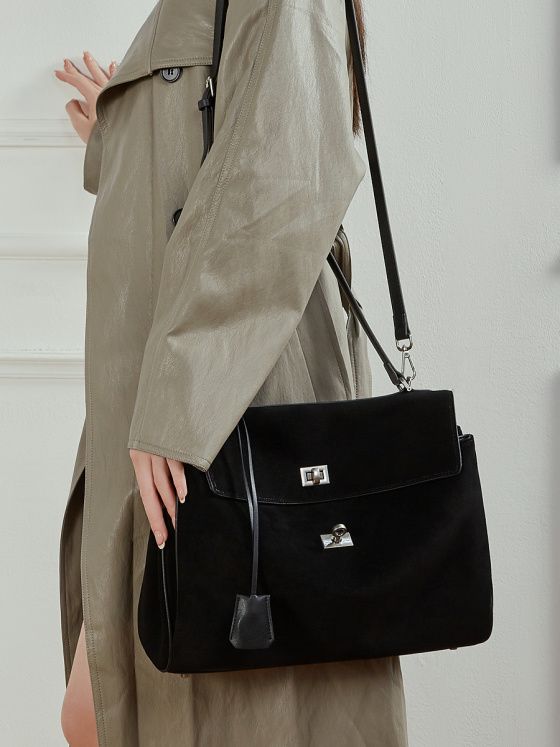
Elova Handcrafted Genuine Leather * Crossbody Bag in Black - E783
Elevate your everyday style with this handcrafted genuine leather vintage crossbody bag - large capa...
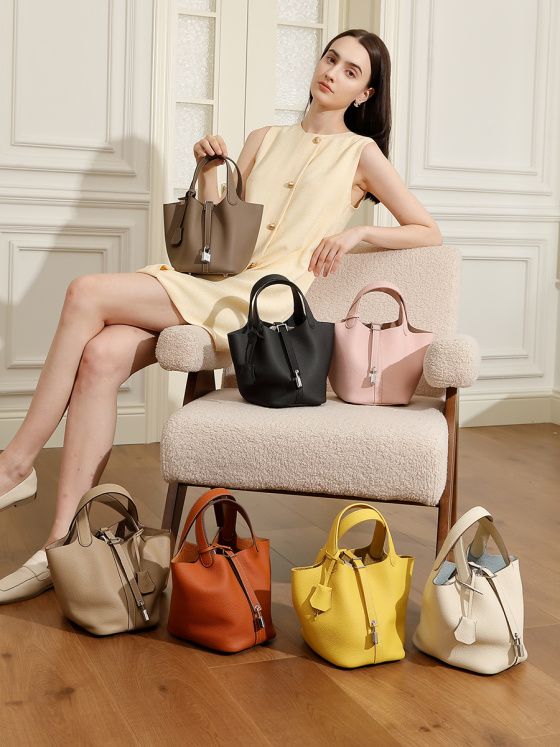
$359Elova Handcrafted Genuine Leather - Bag in Black - E693
Elevate your everyday style with this handcrafted genuine cowhide leather fashion women's bag - vers...
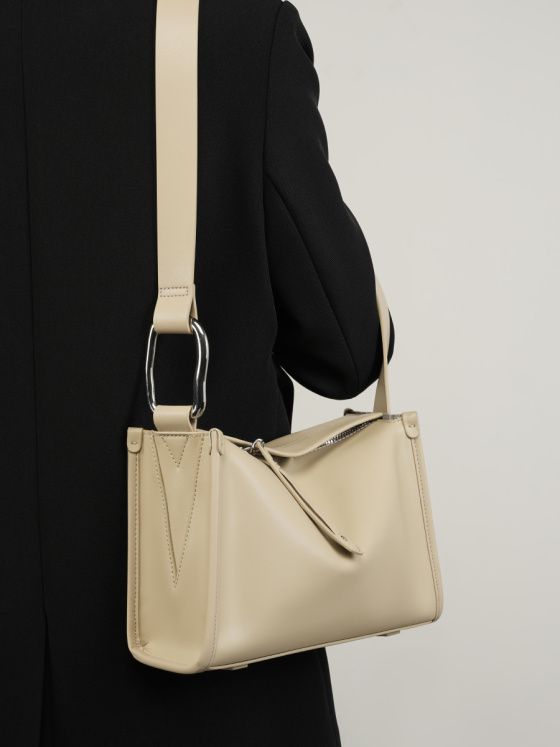
$199Elova Handcrafted Genuine Leather - Bag in White - E434
Elevate your everyday style with this handcrafted genuine leather large capacity handbag - premium d...
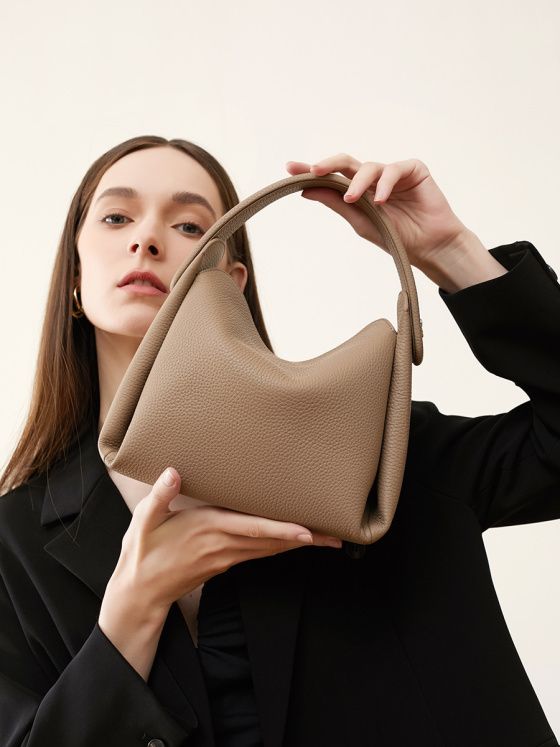
$219Elova Handcrafted Genuine Leather - Crossbody Bag in Black - E280
Elevate your everyday style with this handcrafted genuine cowhide leather premium handbag - versatil...
$259Related Articles
- How to Clean Leather Handbags: Complete Step-by-Step Guide
Step-by-step instructions for cleaning your leather handbags.
- How to Store Leather Handbags Properly: Storage Guide
Learn the best practices for storing your leather handbags.
- Genuine Leather vs Faux Leather: Complete Comparison Guide
Compare genuine leather and faux leather to make informed decisions.
Related Articles
- How to Choose the Right Handbag Size: Complete Size Guide
Complete guide to choosing the perfect handbag size.
- Crossbody vs Shoulder Bag vs Tote: Which Handbag Style is Right for You?
Compare different handbag styles to find your perfect match.
- Best Leather Handbags Under $200 for Everyday Use
Discover affordable, quality leather handbags.