Genuine Leather vs Faux Leather: Complete Comparison Guide
.jpg)
Quick Answer
The Great Leather Debate Walking into a handbag store today, you are faced with more material choices than ever before. The genuine leather vs faux leather comparison sits at the heart of nearly every purchasing decision, and for good reason. Your choice affects not only how the bag looks on day one, but how it performs, ages, and holds up over years of daily use. This guide breaks down the real differences between these two materials so you can make an informed decision based on your lifestyle, budget, and values. Material Composition: What You Are Actually Buying Genuine Leather Genuine
Key Points
- 1The Great Leather Debate Walking into a handbag store today, you are faced with more material choices than ever before
- 2The genuine leather vs faux leather comparison sits at the heart of nearly every purchasing decision, and for good reason
- 3Your choice affects not only how the bag looks on day one, but how it performs, ages, and holds up over years of daily use
- 4This guide breaks down the real differences between these two materials so you can make an informed decision based on your lifestyle, budget, and values
- 5Material Composition: What You Are Actually Buying Genuine Leather Genuine leather comes from animal hides, most commonly cowhide, that have been processed through tanning
The Great Leather Debate
Walking into a handbag store today, you are faced with more material choices than ever before. The genuine leather vs faux leather comparison sits at the heart of nearly every purchasing decision, and for good reason. Your choice affects not only how the bag looks on day one, but how it performs, ages, and holds up over years of daily use.
This guide breaks down the real differences between these two materials so you can make an informed decision based on your lifestyle, budget, and values.
Material Composition: What You Are Actually Buying
Genuine Leather
Genuine leather comes from animal hides, most commonly cowhide, that have been processed through tanning. The quality varies widely depending on the grade:
- Full-grain leather retains the entire hide surface, including natural markings, and is the most durable
- Top-grain leather has been sanded and refinished for a more uniform appearance
- Corrected-grain leather has been heavily treated to remove imperfections
- Bonded leather is made from leftover scraps glued together with synthetic materials
When shopping for leather handbags in the United States, always ask which grade you are getting. A bag labeled "genuine leather" is actually one of the lower grades, which can be misleading.
Faux Leather
Faux leather is a synthetic material designed to mimic the look and feel of real leather. The two most common types are:
- PU (polyurethane) leather, which is softer and more breathable than PVC
- PVC (polyvinyl chloride) leather, which is cheaper but less flexible and contains harmful plasticizers
Newer innovations include plant-based alternatives made from pineapple leaves, cactus fibers, apple waste, and mushroom mycelium. These options are gaining traction among environmentally conscious shoppers across the USA and beyond.
Durability: The Long Game
This is where the genuine leather vs faux leather comparison shows the starkest difference. Genuine leather, particularly full-grain, is built to last. With proper conditioning and care, a full-grain leather handbag can serve you well for 15 to 25 years. The fibers become more supple over time rather than breaking down.
Faux leather has a more predictable decline. Most PU leather bags begin showing wear within 2 to 3 years of regular use. The synthetic coating gradually cracks, peels, and flakes away from the fabric backing underneath. Higher-quality faux leathers may push that timeline to 4 or 5 years, but they cannot match the longevity of genuine leather.
Aging Characteristics
One of the most compelling arguments for genuine leather is how it ages. Over months and years of use, genuine leather develops a patina, a rich, deeper color and soft sheen that is unique to your bag. Scratches and marks become part of the character rather than flaws.
Faux leather does not develop patina. Instead, it tends to look its best when brand new and gradually deteriorates from there. Surface cracks, discoloration at fold points, and peeling are the typical signs of aging in synthetic materials.
Environmental Impact: A More Complex Picture
The environmental comparison between these two materials is not as clear-cut as marketing often suggests.
The Case Against Genuine Leather
- Cattle ranching contributes to deforestation and greenhouse gas emissions
- Chrome tanning, used in roughly 80 percent of leather production worldwide, generates toxic wastewater
- Water usage during production is substantial
The Case Against Faux Leather
- PVC and PU are petroleum-derived plastics that do not biodegrade
- Manufacturing releases volatile organic compounds
- Microplastics shed during use and washing
- Shorter lifespan means more frequent replacement and more waste in landfills
The Emerging Middle Ground
Plant-based leather alternatives are rapidly improving in quality and durability. Materials like Pinatex (from pineapple leaves) and Desserto (from cactus) offer promising combinations of sustainability and performance, though they are still more expensive and less widely available.
Price-to-Value Analysis
The sticker price tells only part of the story. Consider the cost per year of ownership:
- A quality genuine leather bag at 300 dollars lasting 15 years costs about 20 dollars per year
- A mid-range faux leather bag at 80 dollars lasting 3 years costs about 27 dollars per year
- A budget faux leather bag at 40 dollars lasting 18 months costs about 27 dollars per year
When you factor in the number of replacements needed over a decade, genuine leather frequently comes out ahead on pure economics. That said, faux leather makes sense when you prefer to rotate styles frequently or are building a varied collection on a tighter budget.
Maintenance Requirements
Caring for Genuine Leather
- Condition with a leather balm every 3 to 6 months
- Wipe down with a damp cloth after exposure to dirt or moisture
- Store stuffed with tissue paper to maintain shape
- Keep away from direct sunlight and heat sources
- Treat stains promptly with appropriate leather cleaners
Caring for Faux Leather
- Wipe clean with a damp cloth and mild soap
- No conditioning required
- Avoid prolonged sun exposure, which accelerates cracking
- Store in a cool, dry place
Faux leather wins on convenience here. It requires far less ongoing care, which is appealing for people who want a low-maintenance accessory.
Making Your Decision
The right choice depends on what you value most. Choose genuine leather if you want a bag that lasts for years, improves with age, and delivers strong long-term value. Choose faux leather if you prefer lower upfront costs, easier maintenance, or want to avoid animal-derived products entirely.
Neither material is universally better. The best genuine leather vs faux leather comparison is the one that accounts for your personal priorities, whether that is longevity, ethics, budget, or environmental impact. Understanding the tradeoffs puts you in a position to buy with confidence and satisfaction.
FAQs
Q: How can I tell if a handbag is made from real leather?A: Real leather has a distinctive warm, earthy smell that synthetic materials cannot replicate. Examine the surface closely: genuine leather has irregular pores and a slightly uneven texture, while faux leather has a uniform, repeating pattern. Press your finger into the material. Real leather wrinkles and bounces back naturally, whereas faux leather stays rigid. You can also check the edges: genuine leather has rough, fibrous edges while faux leather edges look smooth or plastic-coated.
Q: Which lasts longer, genuine leather or faux leather?A: Genuine leather lasts significantly longer. A well-maintained genuine leather handbag can last 20 years or more and actually improves with age by developing a rich patina. Faux leather typically lasts between 2 and 5 years before the synthetic coating begins to peel, crack, or flake. Over a decade of use, one genuine leather bag could outlast three or four faux leather replacements.
Q: Is faux leather more environmentally friendly than genuine leather?A: The answer is not straightforward. Traditional faux leather made from PVC or PU relies on petroleum-based plastics and does not biodegrade. Genuine leather is a byproduct of the meat industry but involves chemical tanning processes that produce pollution. Newer plant-based alternatives made from cactus, apple peel, or mushroom mycelium offer a more sustainable middle ground. The most eco-friendly choice depends on the specific manufacturing process and materials used.
Q: What is the true cost per year of owning each material?A: Genuine leather has a higher upfront price, typically ranging from 150 to 500 dollars for a quality handbag, but when spread over a lifespan of 10 to 20 years, the annual cost can be as low as 15 to 50 dollars. Faux leather bags cost between 30 and 150 dollars but usually need replacing every 2 to 4 years, which works out to roughly 30 to 75 dollars per year. Over the long term, genuine leather often delivers better value per year of use.
Why Trust Elova Bags?
98% Customer Satisfaction
Based on 10,000+ customer reviews
10,000+ Products Sold
Trusted by customers worldwide
Premium Quality Guaranteed
Genuine leather, handcrafted excellence
7-Day Money-Back Guarantee
Shop with confidence
Ready to Find Your Perfect Bag?
Browse our collection of premium leather handbags crafted with care and attention to detail
Order NowFrequently Asked Questions
QHow can I tell if a handbag is made from real leather?
Real leather has a distinctive warm, earthy smell that synthetic materials cannot replicate. Examine the surface closely: genuine leather has irregular pores and a slightly uneven texture, while faux leather has a uniform, repeating pattern. Press your finger into the material. Real leather wrinkles and bounces back naturally, whereas faux leather stays rigid. You can also check the edges: genuine leather has rough, fibrous edges while faux leather edges look smooth or plastic-coated.
QWhich lasts longer, genuine leather or faux leather?
Genuine leather lasts significantly longer. A well-maintained genuine leather handbag can last 20 years or more and actually improves with age by developing a rich patina. Faux leather typically lasts between 2 and 5 years before the synthetic coating begins to peel, crack, or flake. Over a decade of use, one genuine leather bag could outlast three or four faux leather replacements.
QIs faux leather more environmentally friendly than genuine leather?
The answer is not straightforward. Traditional faux leather made from PVC or PU relies on petroleum-based plastics and does not biodegrade. Genuine leather is a byproduct of the meat industry but involves chemical tanning processes that produce pollution. Newer plant-based alternatives made from cactus, apple peel, or mushroom mycelium offer a more sustainable middle ground. The most eco-friendly choice depends on the specific manufacturing process and materials used.
QWhat is the true cost per year of owning each material?
Genuine leather has a higher upfront price, typically ranging from 150 to 500 dollars for a quality handbag, but when spread over a lifespan of 10 to 20 years, the annual cost can be as low as 15 to 50 dollars. Faux leather bags cost between 30 and 150 dollars but usually need replacing every 2 to 4 years, which works out to roughly 30 to 75 dollars per year. Over the long term, genuine leather often delivers better value per year of use.
Shop the Look
Complete your style with these matching pieces

Shop Related Products
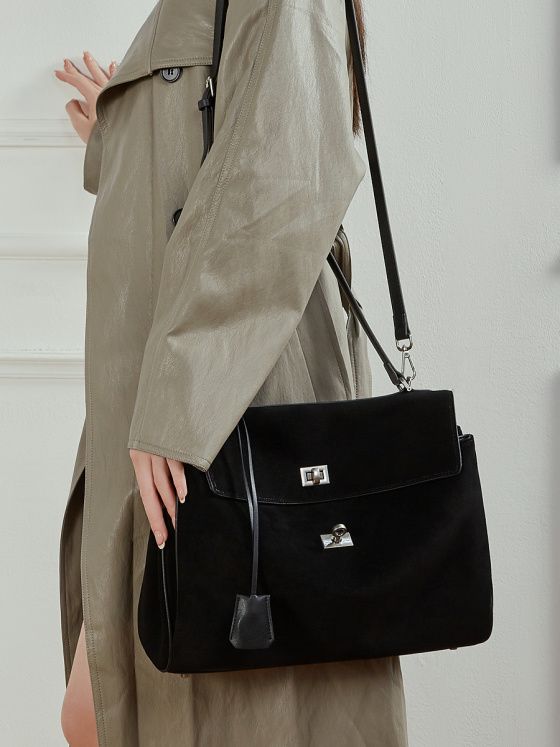
Elova Handcrafted Genuine Leather * Crossbody Bag in Black - E783
Elevate your everyday style with this handcrafted genuine leather vintage crossbody bag - large capa...
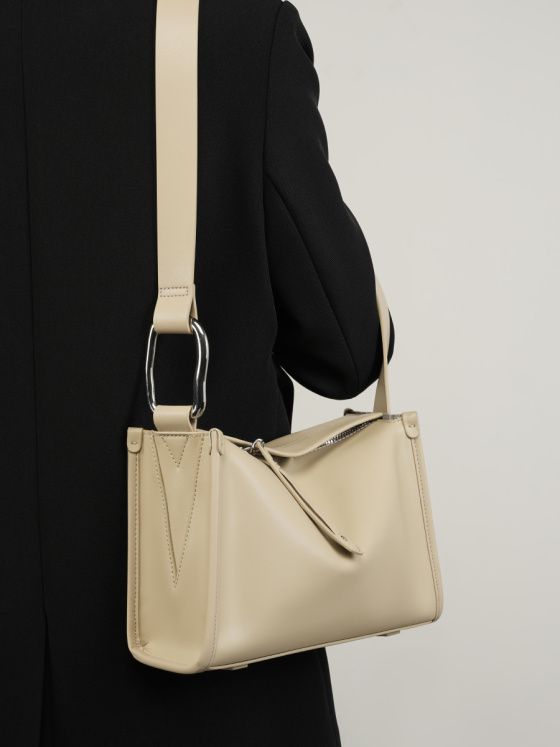
$359Elova Handcrafted Genuine Leather - Bag in Black - E693
Elevate your everyday style with this handcrafted genuine cowhide leather fashion women's bag - vers...
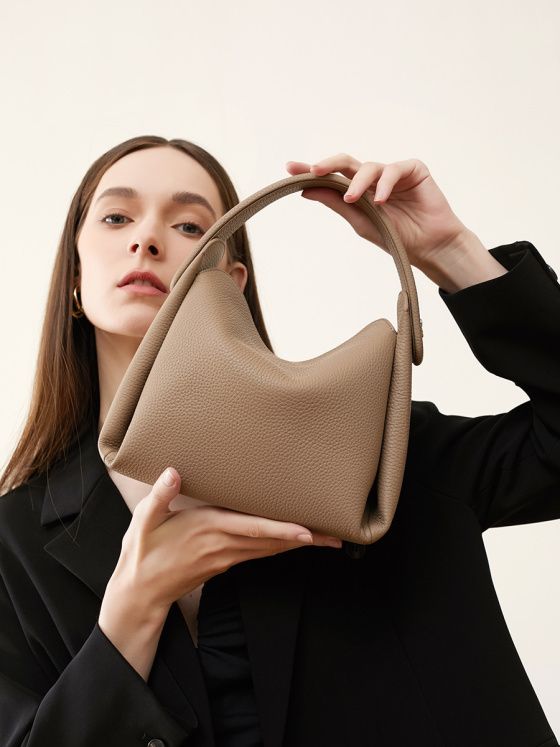
$199Elova Handcrafted Genuine Leather - Bag in White - E434
Elevate your everyday style with this handcrafted genuine leather large capacity handbag - premium d...
$219Elova Handcrafted Genuine Leather - Crossbody Bag in Black - E280
Elevate your everyday style with this handcrafted genuine cowhide leather premium handbag - versatil...
$259Related Articles
- How to Choose the Right Handbag Size: Complete Size Guide
Complete guide to choosing the perfect handbag size.
- Crossbody vs Shoulder Bag vs Tote: Which Handbag Style is Right for You?
Compare different handbag styles to find your perfect match.
- Best Leather Handbags Under $200 for Everyday Use
Discover affordable, quality leather handbags.