Leather Bag Conditioning Guide: How and When to Condition Your Bag
.jpg)
Quick Answer
Why Leather Conditioning Matters Leather is a natural material that breathes and ages like skin. Without periodic conditioning, leather dries out, stiffens, develops surface cracks, and eventually splits at stress points. Regular conditioning prevents all of these outcomes and is the single most important maintenance step for extending the life of any leather bag. The good news: leather conditioning is simple, takes about fifteen minutes twice a year, and dramatically increases how long and how well your bag performs. Understanding What Conditioning Does Leather conditioner replenishes the natural oils and moisture that leather loses through: Repeated exposure to air (oxidation)
Key Points
- 1Why Leather Conditioning Matters Leather is a natural material that breathes and ages like skin
- 2Without periodic conditioning, leather dries out, stiffens, develops surface cracks, and eventually splits at stress points
- 3Regular conditioning prevents all of these outcomes and is the single most important maintenance step for extending the life of any leather bag
- 4The good news: leather conditioning is simple, takes about fifteen minutes twice a year, and dramatically increases how long and how well your bag performs
- 5Understanding What Conditioning Does Leather conditioner replenishes the natural oils and moisture that leather loses through: Repeated exposure to air (oxidation) Handling (skin contact transfers oils but also introduces acids) Heat and sun exposure Cold and low-humidity environments Water exposure and drying cycles When those oils deplete, leather becomes rigid and brittle
Step-by-Step Guide
Clean the bag first Remove dirt and surface oils before conditioning. Use a slightly damp cloth to wipe down the exterior in smooth, circular motions. Pay attention to handle areas, corners, and the bottom where dirt accumulates. Allow the bag to dry completely — at least 30 minutes — before applying conditioner.
Test in a hidden area Apply a small amount of conditioner to an inconspicuous spot — the underside of a strap, the bottom interior, or inside a pocket flap. Wait 10 minutes. Check for color change, texture change, or any adverse reaction. If the leather looks and feels fine, proceed.
Apply conditioner sparingly Place a pea-sized amount of conditioner on a clean, soft cloth. Less is more — you will apply multiple thin coats rather than one heavy application.
Work in small sections Using circular motions, rub the conditioner into the leather in a 4x4 inch area at a time. Move methodically across the bag exterior — front panel, back panel, sides, bottom, then handles and straps.
Work conditioner into seams and creases Use your fingertip or a soft brush to work conditioner into the seams along the handles, the corners, and any fold lines. These are the areas most prone to cracking and benefit most from conditioning.
Buff away excess Using your second clean cloth, buff away any remaining conditioner with light circular motions. The leather should feel slightly tacky immediately after, then dry to a soft, smooth finish within 20 to 30 minutes.
Allow to dry and cure Let the bag rest in a cool, dry place out of direct sunlight for at least 4 to 6 hours before using. The conditioner continues to absorb and distribute during this period. How to Read Your Leather: Signs It Needs Conditioning | Sign | What It Means ||------|--------------|| Stiffness | Oils have depleted — condition immediately || Dull, flat color | Surface moisture lost — conditioner restores luster || Fine surface cracks | Early-stage drying — condition now before cracks deepen || Scuffing easily | Surface integrity compromised || Squeaking when flexed | Leather very dry | Conditioning Different Leather Types Full-grain leather: Benefits most from conditioning. Apply standard conditioner every 6 months. Top-grain leather: More processed surface — condition every 8 to 12 months. Suede and nubuck: Do NOT use standard liquid conditioner. Use suede-specific spray conditioner only. Patent leather: Does not need conditioning. Patent leather has a lacquered finish that standard conditioners damage. Vegan or faux leather: Does not benefit from genuine leather conditioners. Use a synthetic material conditioner if needed. Common Conditioning Mistakes Conditioning too frequently: Over-conditioning softens leather excessively and causes stretching Using too much product: A thin coat absorbs fully; a thick coat just sits on the surface and attracts dust Skipping the cleaning step: Conditioning over dirt seals in particles that abrade the leather from within Conditioning in direct sunlight: Heat causes uneven absorption and may alter color Ignoring handles and straps: These get the most wear and benefit most from regular conditioning The Long-Term Conditioning Schedule | Bag Usage | Conditioning Frequency ||-----------|----------------------|| Daily carry | Every 4–6 months || Weekend carry | Every 8–10 months || Occasional/stored | Once per year or when dry || Post-water exposure | Immediately after drying | The Bottom Line Ten minutes of conditioning twice a year is the single highest-value maintenance action you can take for a leather bag. It prevents the cracking and stiffness that makes leather bags look aged and worn, and it maintains the suppleness and luster that makes quality leather so appealing in the first place. Use a quality product, apply sparingly, and your bag will outlast anything else in your wardrobe.
Why Leather Conditioning Matters
Leather is a natural material that breathes and ages like skin. Without periodic conditioning, leather dries out, stiffens, develops surface cracks, and eventually splits at stress points. Regular conditioning prevents all of these outcomes and is the single most important maintenance step for extending the life of any leather bag.
The good news: leather conditioning is simple, takes about fifteen minutes twice a year, and dramatically increases how long and how well your bag performs.
Understanding What Conditioning Does
Leather conditioner replenishes the natural oils and moisture that leather loses through:
- Repeated exposure to air (oxidation)
- Handling (skin contact transfers oils but also introduces acids)
- Heat and sun exposure
- Cold and low-humidity environments
- Water exposure and drying cycles
When those oils deplete, leather becomes rigid and brittle. Conditioning restores flexibility, softness, and surface luster without altering the leather's fundamental character.
What You Need
Before starting, gather:
- A quality leather conditioner (see FAQ above for recommended brands)
- Two clean, soft cloths — microfiber or an old cotton t-shirt work well
- A small bowl of lukewarm water for pre-cleaning
- A soft-bristle brush (optional, for seams and textured areas)
Do not use:
- Petroleum jelly or Vaseline (clogs leather pores)
- Coconut oil (may go rancid and stain)
- Olive oil (acidic, can degrade leather over time)
- Baby wipes or alcohol-based wipes (strip natural oils)
- Silicone-based products (temporary sheen, long-term damage)
Step-by-Step Conditioning Process
Step 1: Clean the bag first
Remove dirt and surface oils before conditioning. Use a slightly damp cloth to wipe down the exterior in smooth, circular motions. Pay attention to handle areas, corners, and the bottom where dirt accumulates. Allow the bag to dry completely — at least 30 minutes — before applying conditioner.Step 2: Test in a hidden area
Apply a small amount of conditioner to an inconspicuous spot — the underside of a strap, the bottom interior, or inside a pocket flap. Wait 10 minutes. Check for color change, texture change, or any adverse reaction. If the leather looks and feels fine, proceed.Step 3: Apply conditioner sparingly
Place a pea-sized amount of conditioner on a clean, soft cloth. Less is more — you will apply multiple thin coats rather than one heavy application.Step 4: Work in small sections
Using circular motions, rub the conditioner into the leather in a 4x4 inch area at a time. Move methodically across the bag exterior — front panel, back panel, sides, bottom, then handles and straps.Step 5: Work conditioner into seams and creases
Use your fingertip or a soft brush to work conditioner into the seams along the handles, the corners, and any fold lines. These are the areas most prone to cracking and benefit most from conditioning.Step 6: Buff away excess
Using your second clean cloth, buff away any remaining conditioner with light circular motions. The leather should feel slightly tacky immediately after, then dry to a soft, smooth finish within 20 to 30 minutes.Step 7: Allow to dry and cure
Let the bag rest in a cool, dry place out of direct sunlight for at least 4 to 6 hours before using. The conditioner continues to absorb and distribute during this period.How to Read Your Leather: Signs It Needs Conditioning
| Sign | What It Means ||------|--------------|| Stiffness | Oils have depleted — condition immediately || Dull, flat color | Surface moisture lost — conditioner restores luster || Fine surface cracks | Early-stage drying — condition now before cracks deepen || Scuffing easily | Surface integrity compromised || Squeaking when flexed | Leather very dry |
Conditioning Different Leather Types
Full-grain leather: Benefits most from conditioning. Apply standard conditioner every 6 months.Top-grain leather: More processed surface — condition every 8 to 12 months.Suede and nubuck: Do NOT use standard liquid conditioner. Use suede-specific spray conditioner only.Patent leather: Does not need conditioning. Patent leather has a lacquered finish that standard conditioners damage.Vegan or faux leather: Does not benefit from genuine leather conditioners. Use a synthetic material conditioner if needed.Common Conditioning Mistakes
- Conditioning too frequently: Over-conditioning softens leather excessively and causes stretching
- Using too much product: A thin coat absorbs fully; a thick coat just sits on the surface and attracts dust
- Skipping the cleaning step: Conditioning over dirt seals in particles that abrade the leather from within
- Conditioning in direct sunlight: Heat causes uneven absorption and may alter color
- Ignoring handles and straps: These get the most wear and benefit most from regular conditioning
The Long-Term Conditioning Schedule
| Bag Usage | Conditioning Frequency ||-----------|----------------------|| Daily carry | Every 4–6 months || Weekend carry | Every 8–10 months || Occasional/stored | Once per year or when dry || Post-water exposure | Immediately after drying |
The Bottom Line
Ten minutes of conditioning twice a year is the single highest-value maintenance action you can take for a leather bag. It prevents the cracking and stiffness that makes leather bags look aged and worn, and it maintains the suppleness and luster that makes quality leather so appealing in the first place. Use a quality product, apply sparingly, and your bag will outlast anything else in your wardrobe.
Why Trust Elova Bags?
98% Customer Satisfaction
Based on 10,000+ customer reviews
10,000+ Products Sold
Trusted by customers worldwide
Premium Quality Guaranteed
Genuine leather, handcrafted excellence
7-Day Money-Back Guarantee
Shop with confidence
Ready to Find Your Perfect Bag?
Browse our collection of premium leather handbags crafted with care and attention to detail
Order NowFrequently Asked Questions
QHow often should you condition a leather bag?
Condition your leather bag every 6 to 12 months under normal use. Bags used daily in dry or cold climates benefit from conditioning every 4 to 6 months, as these conditions accelerate moisture loss. Bags stored in a controlled environment and used occasionally can go 12 months between conditioning. A simple test: if the leather feels stiff, looks dull, or shows fine surface cracks, it needs conditioning immediately regardless of the schedule.
QWhat is the best leather conditioner for handbags?
The most widely trusted leather conditioners for handbags are Leather Honey, Chamberlain's Leather Milk, and Bick 4. All three penetrate the leather without leaving a greasy residue or darkening the color significantly. For lighter-colored bags, use a conditioner formulated for light leather or test on a hidden area first. Avoid products containing petroleum distillates, turpentine, or silicone — these can dry out leather over time despite providing temporary surface sheen.
QCan you over-condition a leather bag?
Yes. Over-conditioning — applying conditioner too frequently or in excessive quantities — can saturate the leather and cause it to become soft, floppy, and prone to stretching. It can also clog the leather's pores, which actually accelerates long-term deterioration. The correct approach is to condition sparingly — a thin, even coat applied with a soft cloth every 6 to 12 months is sufficient for most bags.
QDoes conditioning leather change the color?
Most leather conditioners cause temporary darkening immediately after application, which lightens as the conditioner is absorbed over 24 to 48 hours. Dark leather bags (black, chocolate, navy) typically show no lasting color change. Lighter bags in tan, beige, or camel may retain a slightly deeper tone after conditioning. Always test a conditioner on a hidden section of the bag — such as the bottom interior or inside a strap — before applying to visible surfaces.
Shop the Look
Complete your style with these matching pieces
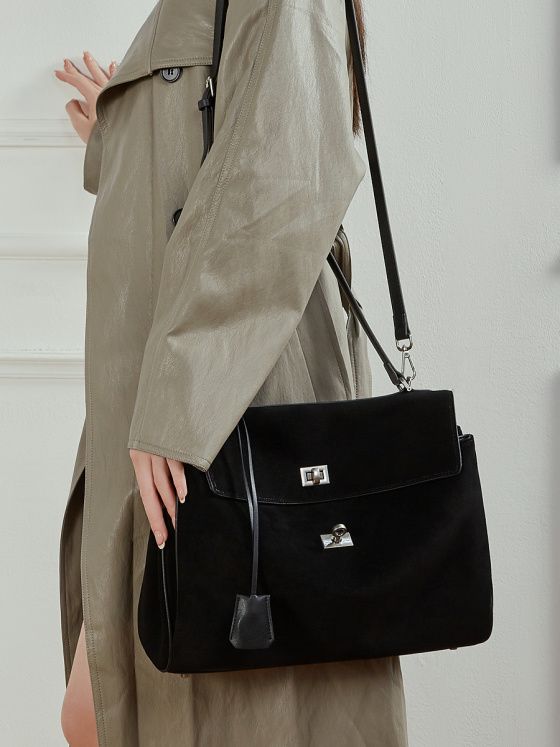

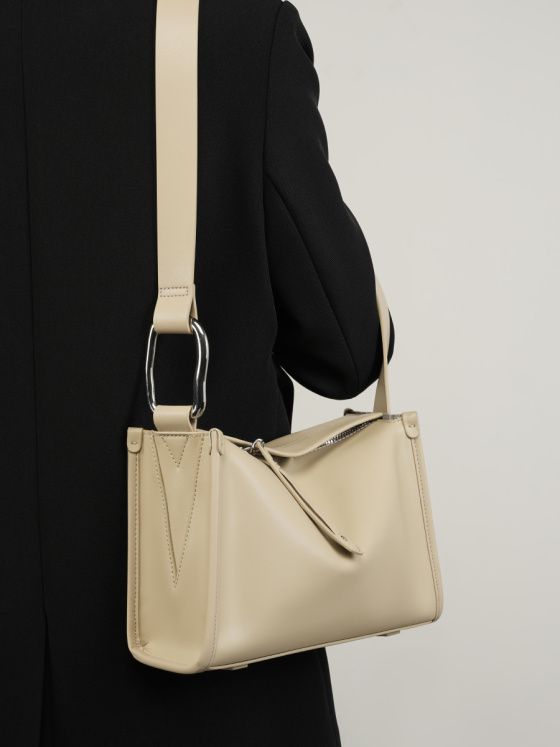
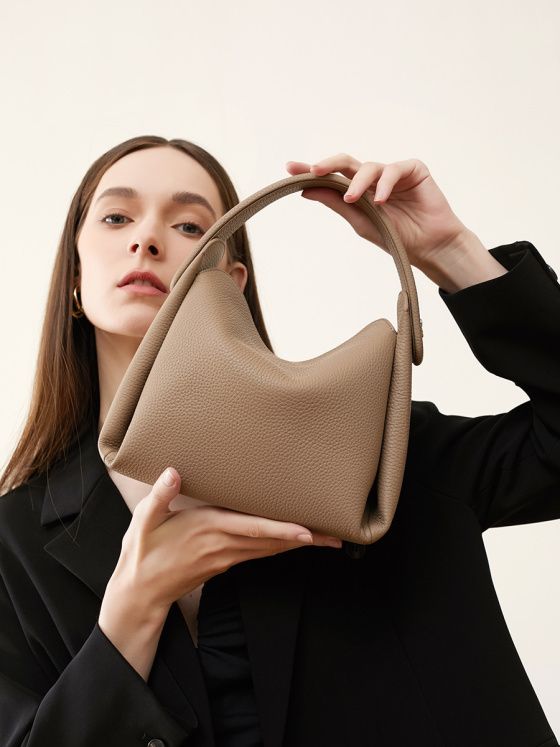
Shop Related Products
Elova Handcrafted Genuine Leather * Crossbody Bag in Black - E783
Elevate your everyday style with this handcrafted genuine leather vintage crossbody bag - large capa...
$359Elova Handcrafted Genuine Leather - Bag in Black - E693
Elevate your everyday style with this handcrafted genuine cowhide leather fashion women's bag - vers...
$199Elova Handcrafted Genuine Leather - Bag in White - E434
Elevate your everyday style with this handcrafted genuine leather large capacity handbag - premium d...
$219Elova Handcrafted Genuine Leather - Crossbody Bag in Black - E280
Elevate your everyday style with this handcrafted genuine cowhide leather premium handbag - versatil...
$259Related Articles
- How to Clean Leather Handbags: Complete Step-by-Step Guide
Step-by-step instructions for cleaning your leather handbags.
- How to Store Leather Handbags Properly: Storage Guide
Learn the best practices for storing your leather handbags.
- Genuine Leather vs Faux Leather: Complete Comparison Guide
Compare genuine leather and faux leather to make informed decisions.
Related Articles
- How to Choose the Right Handbag Size: Complete Size Guide
Complete guide to choosing the perfect handbag size.
- Crossbody vs Shoulder Bag vs Tote: Which Handbag Style is Right for You?
Compare different handbag styles to find your perfect match.
- Best Leather Handbags Under $200 for Everyday Use
Discover affordable, quality leather handbags.