How to Restore Faded Leather Handbag Color
.jpg)
Quick Answer
Understanding Leather Color Fading Leather handbags develop character over time, but excessive fading diminishes their beauty and can make bags look prematurely aged. Understanding how to restore faded leather handbag color allows you to revive beloved pieces and extend their useful life. Whether your bag has light sun damage or significant color loss, restoration options exist for nearly every situation. Fading occurs when UV light, friction, and environmental factors break down the dyes and pigments in leather. This natural process accelerates with improper storage and lack of protection. Handbag owners throughout the United States face this challenge, particularly in sunny
Key Points
- 1Understanding Leather Color Fading Leather handbags develop character over time, but excessive fading diminishes their beauty and can make bags look prematurely aged
- 2Understanding how to restore faded leather handbag color allows you to revive beloved pieces and extend their useful life
- 3Whether your bag has light sun damage or significant color loss, restoration options exist for nearly every situation
- 4Fading occurs when UV light, friction, and environmental factors break down the dyes and pigments in leather
- 5This natural process accelerates with improper storage and lack of protection
Step-by-Step Guide
Deep Conditioning Sometimes what appears as fading is actually dried, neglected leather. Try conditioning first: Clean the bag thoroughly with leather cleaner Allow to dry completely Apply quality leather conditioner generously Work into all surfaces with soft cloth Allow to absorb for 15-20 minutes Buff away excess and evaluate color If color improves significantly, the issue was dehydration rather than true fading. Continue regular conditioning to maintain results. Method 2: Color-Restoring Conditioners Specialty products combine conditioning with subtle color enhancement: Select a product matched to your leather color Clean the bag thoroughly first Apply conditioner in thin, even layers Work in circular motions covering all surfaces Allow to absorb and dry Apply additional coats if needed Buff to desired sheen These products work best for light fading and color maintenance. Method 3: Leather Recoloring Balm Recoloring balm penetrates leather to restore lost pigment: Clean and prepare the leather surface Select the closest color match available Test on a hidden area first Apply with soft cloth or sponge applicator Work in thin layers using circular motions Allow each layer to dry before adding more Build color gradually with multiple coats Finish with leather sealant or conditioner Recoloring balm works well for moderate fading and is forgiving of application technique. Method 4: Leather Dye For more dramatic color restoration, leather dye offers lasting results: #### Preparation Clean the bag thoroughly with leather cleaner Remove old polish or wax with leather preparer Lightly sand severely damaged areas with fine sandpaper Clean again to remove dust Allow to dry completely #### Application Work in a well-ventilated area with protective covering Apply dye with sponge applicator or airbrush Start with thin, even coats Allow 30-60 minutes drying between coats Apply 3-5 coats for full coverage Darker colors may require more coats Allow final coat to cure for 24 hours #### Finishing Apply leather finish or sealant Allow to dry according to product instructions Buff with soft cloth for desired sheen Apply leather conditioner after finish cures Learning how to restore faded leather handbag color with dye requires patience. Rushing leads to uneven results. Color Matching Tips Achieving the right color is crucial: Order multiple shade samples before committing Test colors on the most hidden area possible Remember that dye dries darker than it appears wet Consider that lighter applications allow adjustment Mix colors if needed to achieve exact matches Accept that perfect matching is sometimes impossible For designer bags, contact the brand for color specifications when possible. Professional Restoration Options Some situations warrant professional expertise: When to Choose Professional Restoration Valuable designer or vintage bags Exotic leathers requiring specialized knowledge Severe fading with structural damage Color changes beyond DIY capabilities Bags with sentimental value deserving expert care What Professionals Offer Professional leather restoration services provide: Expert color matching including custom mixing Professional-grade products not available to consumers Airbrush application for even coverage Structural repairs combined with color work Protective finishing treatments Warranties on their work Finding Quality Professionals Look for restorers who: Specialize in handbag and leather goods repair Provide before and after photos of their work Offer free assessments and detailed quotes Have positive reviews and references Carry insurance for valuable items Many leather restoration professionals serve clients throughout the USA, with some offering mail-in services for distant customers. Cost Considerations Professional restoration typically costs: Light refreshing: $75-150 Full color restoration: $150-300 Designer bag specialization: $200-400+ Exotic leather restoration: $300-500+ Compare this to replacement cost when deciding whether professional restoration makes financial sense. Preventing Future Fading After restoration, protect your investment: Storage Practices Keep bags in cool, dark locations Use dust bags for all stored items Avoid plastic containers that trap moisture Store away from windows and light sources Maintain consistent temperature and humidity Regular Maintenance Clean bags monthly during regular use Condition every 6-8 weeks Apply UV protector products designed for leather Rotate bag usage to prevent excessive wear Address stains and damage promptly Daily Precautions Avoid leaving bags in direct sunlight Keep bags off hot surfaces Remove lotions and oils from hands before handling Use bag organizers to prevent interior friction Handle with clean hands when possible Restoration by Leather Type Different leathers require adapted approaches: Full-Grain Leather Responds well to conditioning Accepts dye readily Develops attractive patina that may not need restoration Professional restoration recommended for valuable pieces Top-Grain Leather May have protective coating requiring removal before dying Responds well to recoloring balm Requires careful surface preparation Accepts finish sealers effectively Genuine Leather Often thinner and more delicate Requires gentle dye application May not hold color as long as higher grades Test extensively before full restoration Suede and Nubuck Cannot be restored with traditional dye Requires suede-specific color sprays Professional restoration strongly recommended Color restoration often less effective than smooth leather Setting Realistic Expectations Understanding limitations prevents disappointment: Restored color may differ slightly from original Some fading damage is permanent Restored bags require more careful maintenance Multiple restoration attempts may be needed Very old or damaged bags may have limited options The goal is improvement, not perfection. A well-restored bag looks beautiful and functional even if not identical to new. Final Thoughts Learning how to restore faded leather handbag color empowers you to extend the life of cherished bags. Whether you choose home methods or professional services, restoration offers a sustainable alternative to replacement. Start with the gentlest approaches, work patiently, and protect your results with proper ongoing care. Your faded leather handbag can enjoy a second life with the right restoration approach and continued attention. FAQs Q: What causes leather handbag color to fade? A: Leather fades primarily from UV sun exposure, which breaks down pigments and dyes. Other causes include friction from regular use, exposure to harsh cleaning products, body oils and lotions, humidity fluctuations, and improper storage near heat sources. Light-colored leathers show fading more visibly than dark colors. Aniline and semi-aniline leathers fade faster than pigmented leather. Prevention through proper storage and UV protection is more effective than restoration. Q: Can I restore faded leather color at home? A: Yes, minor fading can be restored at home using leather recoloring balm, leather dye, or color-restoring conditioners. Clean the bag thoroughly first, then apply product in thin layers, allowing drying between coats. Match colors carefully using manufacturer color charts. Test on hidden areas before full application. Home restoration works best for light fading and touch-ups. Severe fading or color changes require professional restoration for best results. Q: How much does professional leather color restoration cost? A: Professional leather color restoration typically costs between $75-300 for handbags depending on size, condition, and leather type. Designer bags may cost more due to specialized techniques required. Full color changes cost more than color refreshing. Exotic leathers require specialists and higher fees. Many professionals offer free assessments. Get multiple quotes and check reviews before committing. The investment often makes sense for bags valued at $200 or more. Q: Will leather dye rub off on clothing? A: Properly applied and sealed leather dye should not transfer to clothing. Allow adequate drying time of 24-48 hours after application. Apply leather finish or sealant after dye to lock in color. Buff thoroughly to remove any loose pigment. If transfer occurs, additional sealant coats are needed. Quality dyes and proper technique prevent transfer issues. Professional restoration includes sealing to ensure color stability.
Understanding Leather Color Fading
Leather handbags develop character over time, but excessive fading diminishes their beauty and can make bags look prematurely aged. Understanding how to restore faded leather handbag color allows you to revive beloved pieces and extend their useful life. Whether your bag has light sun damage or significant color loss, restoration options exist for nearly every situation.
Fading occurs when UV light, friction, and environmental factors break down the dyes and pigments in leather. This natural process accelerates with improper storage and lack of protection. Handbag owners throughout the United States face this challenge, particularly in sunny climates where UV exposure is constant.
What Causes Leather to Fade
Before attempting restoration, understand the causes of fading:
UV Light Exposure
Sunlight is the primary culprit. UV rays break down leather dyes at the molecular level, causing gradual lightening and color shifts. Even indoor lighting near windows contributes to fading over time.
Friction and Wear
Areas of constant contact, like handles and corners, experience accelerated fading. Body oils, hand creams, and repeated touching wear away surface color.
Improper Cleaning
Harsh chemicals strip color alongside dirt. Using wrong products or excessive moisture damages leather dye bonds.
Environmental Factors
Humidity fluctuations, heat exposure, and air pollution all contribute to color degradation. Storing bags near heating vents accelerates damage.
Lack of Conditioning
Dry leather loses color more rapidly. Regular conditioning maintains the supple surface that holds dye effectively.
Assessing Your Bag's Condition
Before learning how to restore faded leather handbag color, evaluate your specific situation:
Light Fading
- Color appears slightly lighter than original
- Fading is even across surfaces
- Leather texture remains intact
- No cracking or peeling present
Light fading often responds well to conditioning and color-restoring products.
Moderate Fading
- Noticeable color difference from original
- Some areas more affected than others
- Minor surface wear visible
- Leather remains supple
Moderate fading may require leather dye or recoloring balm.
Severe Fading
- Dramatic color loss
- Uneven, blotchy appearance
- Surface damage or cracking present
- Leather feels dry or stiff
Severe fading typically requires professional restoration.
Home Restoration Methods
Several approaches work for DIY color restoration:
Method 1: Deep Conditioning
Sometimes what appears as fading is actually dried, neglected leather. Try conditioning first:
- Clean the bag thoroughly with leather cleaner
- Allow to dry completely
- Apply quality leather conditioner generously
- Work into all surfaces with soft cloth
- Allow to absorb for 15-20 minutes
- Buff away excess and evaluate color
If color improves significantly, the issue was dehydration rather than true fading. Continue regular conditioning to maintain results.
Method 2: Color-Restoring Conditioners
Specialty products combine conditioning with subtle color enhancement:
- Select a product matched to your leather color
- Clean the bag thoroughly first
- Apply conditioner in thin, even layers
- Work in circular motions covering all surfaces
- Allow to absorb and dry
- Apply additional coats if needed
- Buff to desired sheen
These products work best for light fading and color maintenance.
Method 3: Leather Recoloring Balm
Recoloring balm penetrates leather to restore lost pigment:
- Clean and prepare the leather surface
- Select the closest color match available
- Test on a hidden area first
- Apply with soft cloth or sponge applicator
- Work in thin layers using circular motions
- Allow each layer to dry before adding more
- Build color gradually with multiple coats
- Finish with leather sealant or conditioner
Recoloring balm works well for moderate fading and is forgiving of application technique.
Method 4: Leather Dye
For more dramatic color restoration, leather dye offers lasting results:
#### Preparation
- Clean the bag thoroughly with leather cleaner
- Remove old polish or wax with leather preparer
- Lightly sand severely damaged areas with fine sandpaper
- Clean again to remove dust
- Allow to dry completely
#### Application
- Work in a well-ventilated area with protective covering
- Apply dye with sponge applicator or airbrush
- Start with thin, even coats
- Allow 30-60 minutes drying between coats
- Apply 3-5 coats for full coverage
- Darker colors may require more coats
- Allow final coat to cure for 24 hours
#### Finishing
- Apply leather finish or sealant
- Allow to dry according to product instructions
- Buff with soft cloth for desired sheen
- Apply leather conditioner after finish cures
Learning how to restore faded leather handbag color with dye requires patience. Rushing leads to uneven results.
Color Matching Tips
Achieving the right color is crucial:
- Order multiple shade samples before committing
- Test colors on the most hidden area possible
- Remember that dye dries darker than it appears wet
- Consider that lighter applications allow adjustment
- Mix colors if needed to achieve exact matches
- Accept that perfect matching is sometimes impossible
For designer bags, contact the brand for color specifications when possible.
Professional Restoration Options
Some situations warrant professional expertise:
When to Choose Professional Restoration
- Valuable designer or vintage bags
- Exotic leathers requiring specialized knowledge
- Severe fading with structural damage
- Color changes beyond DIY capabilities
- Bags with sentimental value deserving expert care
What Professionals Offer
Professional leather restoration services provide:
- Expert color matching including custom mixing
- Professional-grade products not available to consumers
- Airbrush application for even coverage
- Structural repairs combined with color work
- Protective finishing treatments
- Warranties on their work
Finding Quality Professionals
Look for restorers who:
- Specialize in handbag and leather goods repair
- Provide before and after photos of their work
- Offer free assessments and detailed quotes
- Have positive reviews and references
- Carry insurance for valuable items
Many leather restoration professionals serve clients throughout the USA, with some offering mail-in services for distant customers.
Cost Considerations
Professional restoration typically costs:
- Light refreshing: $75-150
- Full color restoration: $150-300
- Designer bag specialization: $200-400+
- Exotic leather restoration: $300-500+
Compare this to replacement cost when deciding whether professional restoration makes financial sense.
Preventing Future Fading
After restoration, protect your investment:
Storage Practices
- Keep bags in cool, dark locations
- Use dust bags for all stored items
- Avoid plastic containers that trap moisture
- Store away from windows and light sources
- Maintain consistent temperature and humidity
Regular Maintenance
- Clean bags monthly during regular use
- Condition every 6-8 weeks
- Apply UV protector products designed for leather
- Rotate bag usage to prevent excessive wear
- Address stains and damage promptly
Daily Precautions
- Avoid leaving bags in direct sunlight
- Keep bags off hot surfaces
- Remove lotions and oils from hands before handling
- Use bag organizers to prevent interior friction
- Handle with clean hands when possible
Restoration by Leather Type
Different leathers require adapted approaches:
Full-Grain Leather
- Responds well to conditioning
- Accepts dye readily
- Develops attractive patina that may not need restoration
- Professional restoration recommended for valuable pieces
Top-Grain Leather
- May have protective coating requiring removal before dying
- Responds well to recoloring balm
- Requires careful surface preparation
- Accepts finish sealers effectively
Genuine Leather
- Often thinner and more delicate
- Requires gentle dye application
- May not hold color as long as higher grades
- Test extensively before full restoration
Suede and Nubuck
- Cannot be restored with traditional dye
- Requires suede-specific color sprays
- Professional restoration strongly recommended
- Color restoration often less effective than smooth leather
Setting Realistic Expectations
Understanding limitations prevents disappointment:
- Restored color may differ slightly from original
- Some fading damage is permanent
- Restored bags require more careful maintenance
- Multiple restoration attempts may be needed
- Very old or damaged bags may have limited options
The goal is improvement, not perfection. A well-restored bag looks beautiful and functional even if not identical to new.
Final Thoughts
Learning how to restore faded leather handbag color empowers you to extend the life of cherished bags. Whether you choose home methods or professional services, restoration offers a sustainable alternative to replacement. Start with the gentlest approaches, work patiently, and protect your results with proper ongoing care.
Your faded leather handbag can enjoy a second life with the right restoration approach and continued attention.
FAQs
Q: What causes leather handbag color to fade?A: Leather fades primarily from UV sun exposure, which breaks down pigments and dyes. Other causes include friction from regular use, exposure to harsh cleaning products, body oils and lotions, humidity fluctuations, and improper storage near heat sources. Light-colored leathers show fading more visibly than dark colors. Aniline and semi-aniline leathers fade faster than pigmented leather. Prevention through proper storage and UV protection is more effective than restoration.
Q: Can I restore faded leather color at home?A: Yes, minor fading can be restored at home using leather recoloring balm, leather dye, or color-restoring conditioners. Clean the bag thoroughly first, then apply product in thin layers, allowing drying between coats. Match colors carefully using manufacturer color charts. Test on hidden areas before full application. Home restoration works best for light fading and touch-ups. Severe fading or color changes require professional restoration for best results.
Q: How much does professional leather color restoration cost?A: Professional leather color restoration typically costs between $75-300 for handbags depending on size, condition, and leather type. Designer bags may cost more due to specialized techniques required. Full color changes cost more than color refreshing. Exotic leathers require specialists and higher fees. Many professionals offer free assessments. Get multiple quotes and check reviews before committing. The investment often makes sense for bags valued at $200 or more.
Q: Will leather dye rub off on clothing?A: Properly applied and sealed leather dye should not transfer to clothing. Allow adequate drying time of 24-48 hours after application. Apply leather finish or sealant after dye to lock in color. Buff thoroughly to remove any loose pigment. If transfer occurs, additional sealant coats are needed. Quality dyes and proper technique prevent transfer issues. Professional restoration includes sealing to ensure color stability.
Why Trust Elova Bags?
98% Customer Satisfaction
Based on 10,000+ customer reviews
10,000+ Products Sold
Trusted by customers worldwide
Premium Quality Guaranteed
Genuine leather, handcrafted excellence
7-Day Money-Back Guarantee
Shop with confidence
Ready to Find Your Perfect Bag?
Browse our collection of premium leather handbags crafted with care and attention to detail
Order NowFrequently Asked Questions
QWhat causes leather handbag color to fade?
Leather fades primarily from UV sun exposure, which breaks down pigments and dyes. Other causes include friction from regular use, exposure to harsh cleaning products, body oils and lotions, humidity fluctuations, and improper storage near heat sources. Light-colored leathers show fading more visibly than dark colors. Aniline and semi-aniline leathers fade faster than pigmented leather. Prevention through proper storage and UV protection is more effective than restoration.
QCan I restore faded leather color at home?
Yes, minor fading can be restored at home using leather recoloring balm, leather dye, or color-restoring conditioners. Clean the bag thoroughly first, then apply product in thin layers, allowing drying between coats. Match colors carefully using manufacturer color charts. Test on hidden areas before full application. Home restoration works best for light fading and touch-ups. Severe fading or color changes require professional restoration for best results.
QHow much does professional leather color restoration cost?
Professional leather color restoration typically costs between $75-300 for handbags depending on size, condition, and leather type. Designer bags may cost more due to specialized techniques required. Full color changes cost more than color refreshing. Exotic leathers require specialists and higher fees. Many professionals offer free assessments. Get multiple quotes and check reviews before committing. The investment often makes sense for bags valued at $200 or more.
QWill leather dye rub off on clothing?
Properly applied and sealed leather dye should not transfer to clothing. Allow adequate drying time of 24-48 hours after application. Apply leather finish or sealant after dye to lock in color. Buff thoroughly to remove any loose pigment. If transfer occurs, additional sealant coats are needed. Quality dyes and proper technique prevent transfer issues. Professional restoration includes sealing to ensure color stability.
Shop the Look
Complete your style with these matching pieces
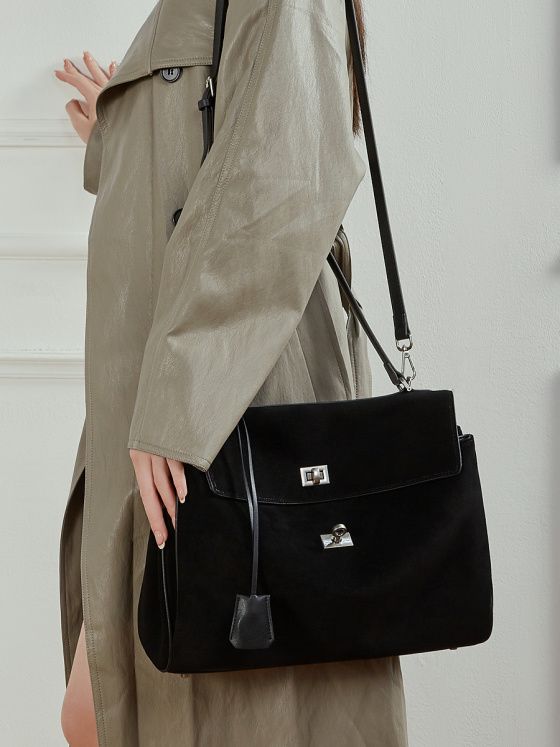

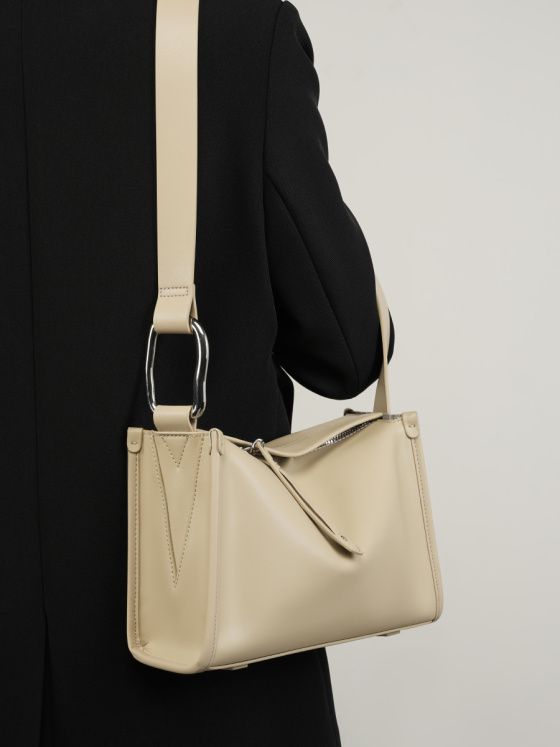
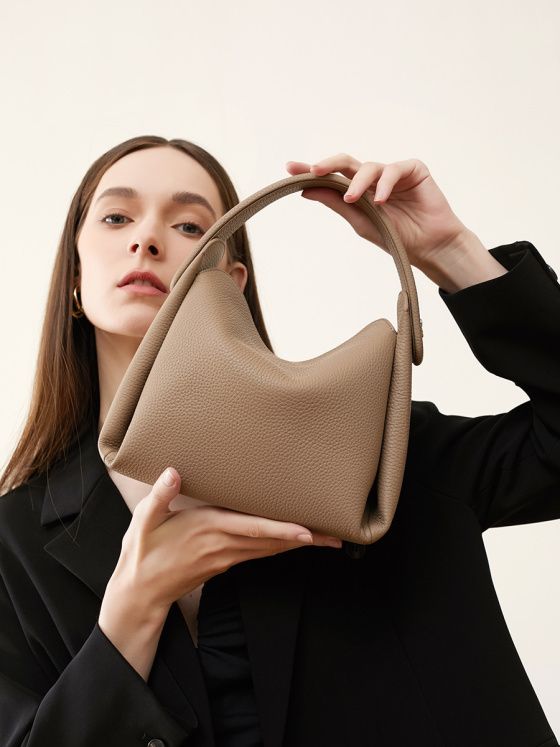
Shop Related Products
Elova Handcrafted Genuine Leather * Crossbody Bag in Black - E783
Elevate your everyday style with this handcrafted genuine leather vintage crossbody bag - large capa...
$359Elova Handcrafted Genuine Leather - Bag in Black - E693
Elevate your everyday style with this handcrafted genuine cowhide leather fashion women's bag - vers...
$199Elova Handcrafted Genuine Leather - Bag in White - E434
Elevate your everyday style with this handcrafted genuine leather large capacity handbag - premium d...
$219Elova Handcrafted Genuine Leather - Crossbody Bag in Black - E280
Elevate your everyday style with this handcrafted genuine cowhide leather premium handbag - versatil...
$259Related Articles
- How to Clean Leather Handbags: Complete Step-by-Step Guide
Step-by-step instructions for cleaning your leather handbags.
- How to Store Leather Handbags Properly: Storage Guide
Learn the best practices for storing your leather handbags.
- Genuine Leather vs Faux Leather: Complete Comparison Guide
Compare genuine leather and faux leather to make informed decisions.