How to Prevent Handbag Handles from Breaking
.jpg)
Quick Answer
Understanding Why Handles Break Handbag handles endure more stress than any other part of your bag. Every time you pick up your purse, set it down, or carry it throughout the day, the handles bear the full weight of your belongings. Understanding how to prevent handbag handles from breaking starts with recognizing the common causes of failure. The most frequent culprits include overloading, improper weight distribution, material degradation, and wear at attachment points. Across the United States, repair shops report that handle damage accounts for nearly 40% of all handbag repairs they perform. The good news is that most of
Key Points
- 1Understanding Why Handles Break Handbag handles endure more stress than any other part of your bag
- 2Every time you pick up your purse, set it down, or carry it throughout the day, the handles bear the full weight of your belongings
- 3Understanding how to prevent handbag handles from breaking starts with recognizing the common causes of failure
- 4The most frequent culprits include overloading, improper weight distribution, material degradation, and wear at attachment points
- 5Across the United States, repair shops report that handle damage accounts for nearly 40% of all handbag repairs they perform
Understanding Why Handles Break
Handbag handles endure more stress than any other part of your bag. Every time you pick up your purse, set it down, or carry it throughout the day, the handles bear the full weight of your belongings. Understanding how to prevent handbag handles from breaking starts with recognizing the common causes of failure.
The most frequent culprits include overloading, improper weight distribution, material degradation, and wear at attachment points. Across the United States, repair shops report that handle damage accounts for nearly 40% of all handbag repairs they perform. The good news is that most of this damage is entirely preventable.
Weight Distribution Fundamentals
Know Your Bag's Limits
Every handbag has a practical weight capacity, even if manufacturers do not always specify it. As a general rule, standard leather handbag handles safely support 5-8 pounds, while reinforced tote handles can manage 15-20 pounds. Exceeding these limits accelerates wear and increases the risk of sudden failure.
To protect your investment, weigh your typical daily carry. You might be surprised to find your bag weighs more than expected. Consider these common item weights:
- Smartphone: 6-8 ounces
- Wallet: 4-8 ounces
- Keys: 2-4 ounces
- Water bottle: 16-32 ounces
- Makeup bag: 8-16 ounces
- Tablet or e-reader: 8-16 ounces
Distribute Contents Evenly
One-sided loading creates uneven stress that wears handles unevenly. When learning how to prevent handbag handles from breaking, proper organization makes a significant difference. Place heavier items at the bottom center of your bag. Use internal pockets and compartments to spread weight across the bag's structure rather than concentrating it in one area.
Bag organizers serve dual purposes. They keep your belongings tidy and distribute weight more evenly across the bag's base. This reduces the strain on handles by ensuring the bag itself supports more of the load.
Material-Specific Care Techniques
Leather Handle Maintenance
Leather handles require regular conditioning to maintain flexibility and strength. Dry leather becomes brittle and prone to cracking, especially at stress points where the handle curves or attaches to the bag body.
Follow this conditioning routine:
- Clean handles monthly with a damp cloth to remove oils and dirt
- Apply leather conditioner every 6-8 weeks for regularly used bags
- Use conditioner more frequently in dry climates or heated indoor environments
- Allow conditioner to absorb fully before using the bag
Pay special attention to the underside of handles where your hands grip most often. Natural oils from your skin can both protect and damage leather over time, depending on accumulation.
Chain and Metal Hardware
Chain handles require different care than leather. Inspect links regularly for signs of wear, particularly where links connect to each other and to the bag body. Weak links can fail suddenly, dropping your bag unexpectedly.
To maintain chain handles:
- Wipe with a dry cloth after each use to remove moisture
- Apply a small amount of metal polish monthly
- Check for bent or stretched links quarterly
- Store with handles extended rather than folded
Fabric and Woven Handles
Canvas and fabric handles show wear through fraying and loosened weave. Prevent deterioration by keeping handles clean and dry. If your fabric-handled bag gets wet, allow it to air dry completely before storing. Trapped moisture weakens fibers over time.
Reinforcement Strategies
Handle Wraps and Covers
Handle wraps serve as protective barriers between your hands and the bag handles. They absorb oils, reduce friction, and distribute pressure more evenly. Many USA retailers carry handle wraps in leather, silk, and fabric options that complement various bag styles.
For DIY protection, silk scarves tied around handles add style while providing a protective layer. Replace or wash wraps regularly to prevent buildup of oils and dirt that could transfer to the underlying handle.
Professional Reinforcement
For high-value bags or handles showing early signs of stress, professional reinforcement provides lasting protection. Skilled leather workers can add internal support, reinforce stitching, and strengthen attachment points before visible damage occurs.
Consider professional reinforcement when you notice:
- Slight stretching at attachment points
- Minor stitching looseness
- Surface cracking on leather handles
- Increased flexibility in previously stiff handles
Acting early costs less than full handle replacement and preserves your bag's original appearance.
Daily Habits That Protect Handles
How You Carry Matters
The way you hold your bag affects handle longevity. Gripping handles tightly in one spot concentrates stress. Instead, vary your grip position throughout the day. When setting your bag down, place it on flat surfaces rather than hanging it from hooks by the handles.
Avoid these handle-damaging habits:
- Swinging your bag while walking
- Carrying your bag by one handle when two are provided
- Hanging heavy bags from door hooks
- Leaving bags in hot cars where leather can dry out
Rotation Extends Life
Using the same bag daily accelerates wear. Rotating between two or three bags allows handles time to rest and recover their shape. This practice, common among handbag enthusiasts throughout the United States, can double or triple the working life of your collection.
Storage Best Practices
Proper storage prevents handle damage even when your bag is not in use. Always stuff bags to maintain their shape, which prevents handles from bearing weight incorrectly when stored. Store bags upright on shelves rather than stacked or hanging.
For hanging storage, use wide hooks that support the bag body rather than suspending all weight from the handles. Never store bags in plastic, which traps moisture and promotes material degradation.
Recognizing Early Warning Signs
Learning how to prevent handbag handles from breaking includes recognizing when handles need attention. Watch for these early indicators:
- Visible stress marks or creasing at attachment points
- Stitching that appears looser than when new
- Color changes or cracking on leather
- Increased handle flexibility or stretching
- Hardware showing wear or looseness
Address these signs promptly to prevent minor issues from becoming major repairs.
When Prevention Is Not Enough
Despite best efforts, handles sometimes fail. Keep your receipts and warranty information, as many quality brands offer repairs or replacements for manufacturing defects. For older bags or those outside warranty, professional cobblers can replace handles while preserving your bag's character.
Quality handle replacement costs between $50-200 for most bags, depending on materials and complexity. This investment often makes sense for bags with sentimental value or those that would cost significantly more to replace entirely.
Conclusion
Understanding how to prevent handbag handles from breaking protects both your investment and your daily routine. Through proper weight management, material-specific care, strategic reinforcement, and mindful daily habits, you can extend the life of your handles significantly. Start implementing these practices today, and your bags will reward you with years of reliable service.
FAQs
Q: Why do handbag handles break?A: Handbag handles break due to excessive weight, poor weight distribution, low-quality materials, lack of maintenance, and stress at attachment points. Overloading bags beyond their capacity strains stitching and materials. Leather handles crack without conditioning. Metal hardware weakens over time. Carrying heavy items on one side creates uneven stress. Regular inspection and proper care can prevent most handle failures.
Q: How much weight can handbag handles support?A: Most quality handbag handles support 5-10 pounds safely, while reinforced tote handles can hold 15-20 pounds. Check manufacturer guidelines for specific limits. Leather handles typically support less than chain or webbing straps. Distribute weight evenly and avoid exceeding capacity. Signs of stress include stretched stitching, sagging, or visible wear at attachment points. When in doubt, lighten your load.
Q: How do I strengthen weak handbag handles?A: Strengthen weak handles by applying leather conditioner to prevent cracking, adding handle wraps for extra grip and protection, and using handle reinforcement patches at stress points. For chain straps, check links regularly. Consider professional reinforcement for expensive bags. Bag organizers distribute weight better, reducing handle strain. Rotate bags regularly to prevent overuse of any single pair of handles.
Q: When should I replace handbag handles?A: Replace handles when you notice fraying, cracking, stretched stitching, weakened attachment points, or visible damage. Leather showing deep cracks or flaking needs replacement. If handles feel loose or unstable, replace immediately to prevent bag damage. Many cobblers and bag repair specialists in the USA offer handle replacement services. Acting early prevents further damage to the bag body.
Why Trust Elova Bags?
98% Customer Satisfaction
Based on 10,000+ customer reviews
10,000+ Products Sold
Trusted by customers worldwide
Premium Quality Guaranteed
Genuine leather, handcrafted excellence
7-Day Money-Back Guarantee
Shop with confidence
Ready to Find Your Perfect Bag?
Browse our collection of premium leather handbags crafted with care and attention to detail
Order NowFrequently Asked Questions
QWhy do handbag handles break?
Handbag handles break due to excessive weight, poor weight distribution, low-quality materials, lack of maintenance, and stress at attachment points. Overloading bags beyond their capacity strains stitching and materials. Leather handles crack without conditioning. Metal hardware weakens over time. Carrying heavy items on one side creates uneven stress. Regular inspection and proper care can prevent most handle failures.
QHow much weight can handbag handles support?
Most quality handbag handles support 5-10 pounds safely, while reinforced tote handles can hold 15-20 pounds. Check manufacturer guidelines for specific limits. Leather handles typically support less than chain or webbing straps. Distribute weight evenly and avoid exceeding capacity. Signs of stress include stretched stitching, sagging, or visible wear at attachment points. When in doubt, lighten your load.
QHow do I strengthen weak handbag handles?
Strengthen weak handles by applying leather conditioner to prevent cracking, adding handle wraps for extra grip and protection, and using handle reinforcement patches at stress points. For chain straps, check links regularly. Consider professional reinforcement for expensive bags. Bag organizers distribute weight better, reducing handle strain. Rotate bags regularly to prevent overuse of any single pair of handles.
QWhen should I replace handbag handles?
Replace handles when you notice fraying, cracking, stretched stitching, weakened attachment points, or visible damage. Leather showing deep cracks or flaking needs replacement. If handles feel loose or unstable, replace immediately to prevent bag damage. Many cobblers and bag repair specialists in the USA offer handle replacement services. Acting early prevents further damage to the bag body.
Shop the Look
Complete your style with these matching pieces
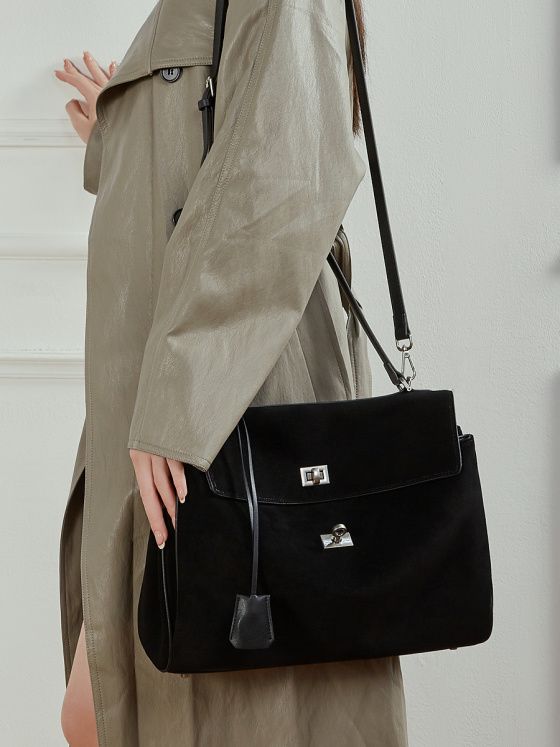

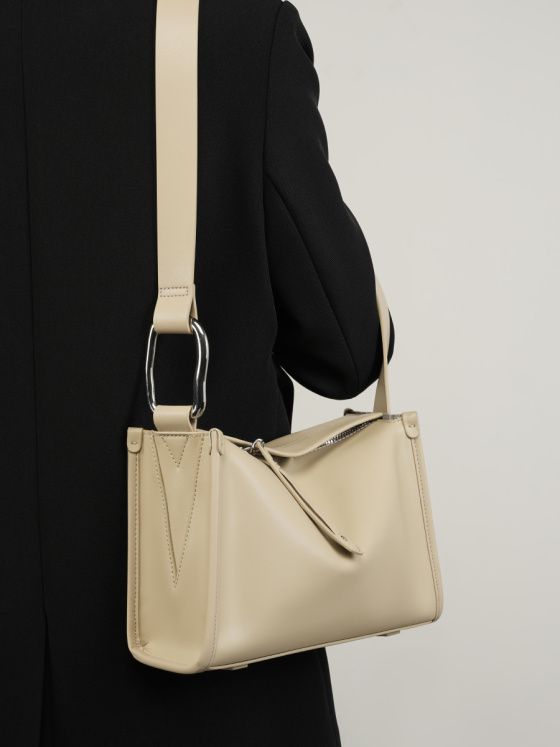

Shop Related Products
Elova Handcrafted Genuine Leather * Crossbody Bag in Black - E783
Elevate your everyday style with this handcrafted genuine leather vintage crossbody bag - large capa...
$359Elova Handcrafted Genuine Leather - Bag in Black - E693
Elevate your everyday style with this handcrafted genuine cowhide leather fashion women's bag - vers...
$199Elova Handcrafted Genuine Leather - Bag in White - E434
Elevate your everyday style with this handcrafted genuine leather large capacity handbag - premium d...
$219Elova Handcrafted Genuine Leather - Crossbody Bag in Black - E280
Elevate your everyday style with this handcrafted genuine cowhide leather premium handbag - versatil...
$259Related Articles
- How to Clean Leather Handbags: Complete Step-by-Step Guide
Step-by-step instructions for cleaning your leather handbags.
- How to Store Leather Handbags Properly: Storage Guide
Learn the best practices for storing your leather handbags.
- Genuine Leather vs Faux Leather: Complete Comparison Guide
Compare genuine leather and faux leather to make informed decisions.