How to Clean and Maintain Your Designer Handbag
.jpg)
Quick Answer
Protecting Your Investment A designer handbag represents more than a fashion choice. These pieces often appreciate in value when properly maintained, making knowledge of how to clean and maintain your designer handbag essential for every luxury bag owner. Whether you purchased your bag from a boutique in New York or an authorized retailer elsewhere in the United States, the same care principles apply. The difference between a well-maintained designer bag and a neglected one can amount to hundreds or even thousands of dollars in resale value. Beyond financial considerations, proper care ensures your bag continues to bring you joy and
Key Points
- 1Protecting Your Investment A designer handbag represents more than a fashion choice
- 2These pieces often appreciate in value when properly maintained, making knowledge of how to clean and maintain your designer handbag essential for every luxury bag owner
- 3Whether you purchased your bag from a boutique in New York or an authorized retailer elsewhere in the United States, the same care principles apply
- 4The difference between a well-maintained designer bag and a neglected one can amount to hundreds or even thousands of dollars in resale value
- 5Beyond financial considerations, proper care ensures your bag continues to bring you joy and complements your style for years to come
Protecting Your Investment
A designer handbag represents more than a fashion choice. These pieces often appreciate in value when properly maintained, making knowledge of how to clean and maintain your designer handbag essential for every luxury bag owner. Whether you purchased your bag from a boutique in New York or an authorized retailer elsewhere in the United States, the same care principles apply.
The difference between a well-maintained designer bag and a neglected one can amount to hundreds or even thousands of dollars in resale value. Beyond financial considerations, proper care ensures your bag continues to bring you joy and complements your style for years to come.
Understanding Your Bag's Materials
Before cleaning any designer piece, identify all materials present. Luxury bags often combine multiple materials that each require different approaches.
Leather Types
Full-grain leather shows natural markings and develops patina over time. Clean with pH-balanced leather cleaners and condition regularly.Saffiano leather has a cross-hatch texture and resists scratches well. Wipe with a damp cloth; avoid heavy conditioning that could clog the textured surface.Lambskin is exceptionally soft but delicate. Handle with care, avoid moisture, and consider professional cleaning for any issues.Patent leather has a glossy finish that requires gentle cleaning with a soft damp cloth. Never use conditioners designed for matte leather.Suede and nubuck need specialized brushes and erasers. Keep away from water and consider protective sprays.Other Common Materials
Canvas (often coated) appears in many designer bags. Clean with mild soap solution and soft brush. Avoid soaking.Exotic skins like python, crocodile, or ostrich require specialized care products and often benefit from professional attention.Hardware varies from gold and silver plating to palladium and ruthenium finishes, each with specific care requirements.Daily and Weekly Maintenance
Understanding how to clean and maintain your designer handbag starts with consistent small efforts that prevent problems from developing.
Daily Habits
- Empty your bag each evening, removing receipts, wrappers, and loose items
- Store on a shelf or hook rather than the floor
- Avoid placing your bag on restaurant floors or public surfaces
- Keep away from direct sunlight when possible
- Rotate bags to prevent overuse of any single piece
Weekly Care Routine
Dedicate five minutes weekly to basic maintenance:
- Wipe exterior with a dry microfiber cloth
- Inspect for new scratches, stains, or wear
- Clean interior with lint roller or gentle vacuuming
- Check hardware for tarnish or looseness
- Ensure storage conditions remain appropriate
Deep Cleaning Procedures
Monthly or quarterly deep cleaning addresses accumulated dirt and maintains material condition.
Leather Exterior Cleaning
- Empty bag and remove any removable components
- Dust entire surface with dry microfiber cloth
- Apply leather cleaner to cloth, not directly to bag
- Work in small sections using circular motions
- Wipe away cleaner residue with clean damp cloth
- Dry with soft cloth
- Allow to air dry completely before conditioning
Conditioning Leather
After cleaning, conditioning restores moisture and flexibility:
- Apply small amount of leather conditioner to soft cloth
- Work into leather using gentle circular motions
- Cover all surfaces including handles and bottom
- Allow to absorb for 15-20 minutes
- Buff away excess with clean cloth
- Let bag rest overnight before use
Interior Cleaning
Interiors accumulate makeup, crumbs, and pen marks:
- Turn bag inside out if possible, or open fully
- Shake out debris
- Vacuum with soft brush attachment
- For fabric linings, spot clean with mild soap solution
- For leather linings, use appropriate leather cleaner
- Dry completely before closing or storing
Hardware Care and Polishing
Hardware makes a significant visual impact and requires proper attention.
Routine Hardware Maintenance
- Wipe weekly with soft, dry cloth
- Remove fingerprints and oils that promote tarnish
- Keep moisture away from hardware attachment points
- Inspect clasps and closures for proper function
Polishing Different Metals
Gold-tone hardware: Use only soft cloth; abrasives damage plating. For stubborn marks, try a jewelry polishing cloth designed for gold.Silver-tone hardware: More forgiving but still requires gentle treatment. Silver polishing cloths work well. Consider anti-tarnish strips in storage.Palladium and rhodium: These premium finishes resist tarnish well. Clean with dry cloth only; avoid polishes.Brass: May intentionally patina. If you prefer shine, use brass-specific polish sparingly.When to Seek Professional Help
Consult professionals if hardware shows:
- Deep scratches through plating
- Loose attachment to bag body
- Broken clasps or closure mechanisms
- Corrosion or significant tarnish
Stain Removal Strategies
Act quickly on stains for best results. Different stains require different approaches.
Common Stain Types
Ink stains: Dab with rubbing alcohol on cotton swab. Test hidden area first. Work from outside of stain inward to prevent spreading.Water marks: Often appear on untreated leather. Dampen entire panel with distilled water to blend mark, then allow to dry naturally.Oil and grease: Blot immediately with clean cloth. Apply cornstarch or talcum powder to absorb oil. Let sit several hours, then brush away gently.Makeup: Remove excess without rubbing. Use makeup remover on cotton swab for small areas. Follow with leather cleaner.Color transfer: Common from denim or other dyed fabrics. Address immediately with leather cleaner. Professional treatment may be necessary for set-in transfer.Stain Prevention
Prevention requires less effort than removal:
- Apply leather protector spray before first use
- Reapply protection every few months
- Keep makeup in zippered pouches inside your bag
- Avoid placing bags against dark clothing
- Wipe away spills immediately
Preserving Authentication and Value
Proper maintenance supports your bag's authenticity and resale potential.
Documentation Maintenance
Keep these items safe and organized:
- Original receipt or proof of purchase
- Authenticity cards and certificates
- Serial number documentation
- Original dust bag and box
- Any repair receipts from authorized services
Condition Documentation
Photograph your bag when new and after any professional services. These records help with:
- Insurance claims if needed
- Authentication for resale
- Tracking condition changes over time
- Professional restoration guidance
Repair Considerations
For valuable designer pieces, choose repairs carefully:
- Contact brand directly for authorized repair services
- Unauthorized repairs may reduce resale value
- Keep replaced parts as authentication evidence
- Request documentation of all professional work
Seasonal and Long-Term Storage
Between uses, proper storage maintains bag condition.
Short-Term Storage
For bags rotated weekly or monthly:
- Stuff with acid-free tissue paper
- Place in dust bag
- Store upright on shelf
- Keep in climate-controlled space
Long-Term Storage
For seasonal or rarely used pieces:
- Clean and condition thoroughly
- Stuff generously to maintain shape
- Wrap hardware in soft cloth to prevent scratching
- Place in dust bag, then original box if available
- Add silica gel packet for humidity control
- Store in climate-controlled area away from light
- Check quarterly, reconditioning as needed
Professional Services Worth Considering
Some maintenance tasks benefit from professional expertise.
Spa Services for Bags
Many luxury department stores and specialized services offer:
- Deep cleaning and conditioning
- Color restoration and touch-up
- Hardware polishing and repair
- Lining replacement
- Structural repairs
When Professionals Make Sense
Consider professional services for:
- Annual deep cleaning of frequently used bags
- Any stain you cannot remove with home methods
- Visible wear requiring restoration
- Hardware repairs or replacement
- Bags valued over $1,000 that need significant work
Conclusion
Knowing how to clean and maintain your designer handbag protects your investment while ensuring your prized piece remains beautiful for decades. The combination of daily habits, regular maintenance, and appropriate professional care creates a comprehensive approach to luxury bag ownership. Start implementing these practices today, and your designer bags will reward you with lasting beauty and enduring value.
FAQs
Q: How do I clean designer bag hardware without damaging it?A: Clean designer hardware gently with a soft, dry microfiber cloth for routine maintenance. For tarnish, use a jewelry polishing cloth designed for the specific metal type. Avoid household cleaners, which can strip protective coatings. For gold-tone hardware, never use abrasive polishes. Silver hardware benefits from anti-tarnish treatments. Clean around hardware carefully to prevent moisture from reaching attachment points. If hardware is heavily tarnished, consult a professional to avoid damaging plating.
Q: Will cleaning my designer bag affect its resale value?A: Proper cleaning maintains or increases resale value, while improper cleaning can significantly reduce it. Use only products recommended for your bag's materials. Keep original packaging, authenticity cards, and purchase receipts. Document your bag's condition with photos. Avoid harsh chemicals that could damage materials or leave residue. Professional cleaning from authorized services may cost more but preserves authenticity. Buyers prefer well-maintained bags with documented care history.
Q: How often should I have my designer bag professionally cleaned?A: Have designer bags professionally cleaned annually for regular-use bags, or every 2-3 years for occasional-use pieces. Seek professional cleaning immediately for serious stains, mold, or odor issues. Professional services offer deep conditioning, stain removal, and restoration beyond home care capabilities. In the USA, authorized brand repair centers provide services that maintain warranty coverage. The cost typically ranges from $50-200 depending on service level.
Q: Can I use baby wipes to clean my designer handbag?A: Avoid baby wipes on designer handbags. While convenient, baby wipes contain moisturizers, fragrances, and chemicals that can damage leather finishes, leave residue, and cause discoloration over time. Instead, use products specifically formulated for your bag's material. For quick cleaning, a slightly damp microfiber cloth works safely on most surfaces. Always test any cleaning method on an inconspicuous area first.
Why Trust Elova Bags?
98% Customer Satisfaction
Based on 10,000+ customer reviews
10,000+ Products Sold
Trusted by customers worldwide
Premium Quality Guaranteed
Genuine leather, handcrafted excellence
7-Day Money-Back Guarantee
Shop with confidence
Ready to Find Your Perfect Bag?
Browse our collection of premium leather handbags crafted with care and attention to detail
Order NowFrequently Asked Questions
QHow do I clean designer bag hardware without damaging it?
Clean designer hardware gently with a soft, dry microfiber cloth for routine maintenance. For tarnish, use a jewelry polishing cloth designed for the specific metal type. Avoid household cleaners, which can strip protective coatings. For gold-tone hardware, never use abrasive polishes. Silver hardware benefits from anti-tarnish treatments. Clean around hardware carefully to prevent moisture from reaching attachment points. If hardware is heavily tarnished, consult a professional to avoid damaging plating.
QWill cleaning my designer bag affect its resale value?
Proper cleaning maintains or increases resale value, while improper cleaning can significantly reduce it. Use only products recommended for your bag's materials. Keep original packaging, authenticity cards, and purchase receipts. Document your bag's condition with photos. Avoid harsh chemicals that could damage materials or leave residue. Professional cleaning from authorized services may cost more but preserves authenticity. Buyers prefer well-maintained bags with documented care history.
QHow often should I have my designer bag professionally cleaned?
Have designer bags professionally cleaned annually for regular-use bags, or every 2-3 years for occasional-use pieces. Seek professional cleaning immediately for serious stains, mold, or odor issues. Professional services offer deep conditioning, stain removal, and restoration beyond home care capabilities. In the USA, authorized brand repair centers provide services that maintain warranty coverage. The cost typically ranges from $50-200 depending on service level.
QCan I use baby wipes to clean my designer handbag?
Avoid baby wipes on designer handbags. While convenient, baby wipes contain moisturizers, fragrances, and chemicals that can damage leather finishes, leave residue, and cause discoloration over time. Instead, use products specifically formulated for your bag's material. For quick cleaning, a slightly damp microfiber cloth works safely on most surfaces. Always test any cleaning method on an inconspicuous area first.
Shop the Look
Complete your style with these matching pieces

Shop Related Products
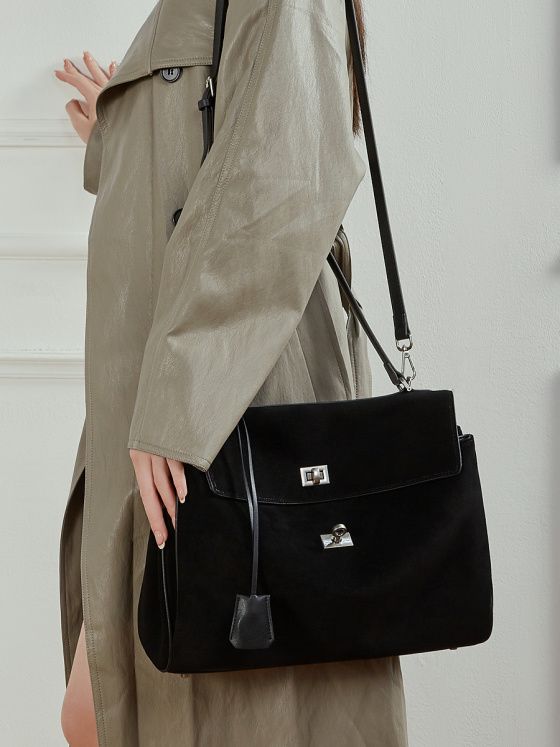
Elova Handcrafted Genuine Leather * Crossbody Bag in Black - E783
Elevate your everyday style with this handcrafted genuine leather vintage crossbody bag - large capa...
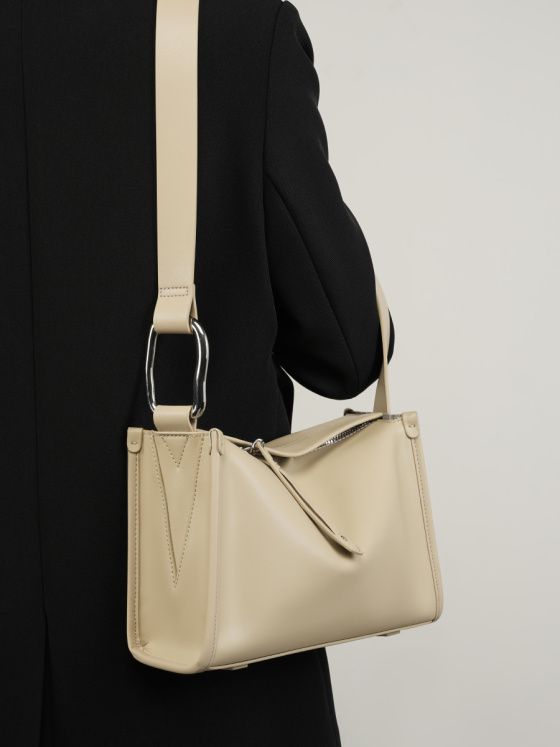
$359Elova Handcrafted Genuine Leather - Bag in Black - E693
Elevate your everyday style with this handcrafted genuine cowhide leather fashion women's bag - vers...
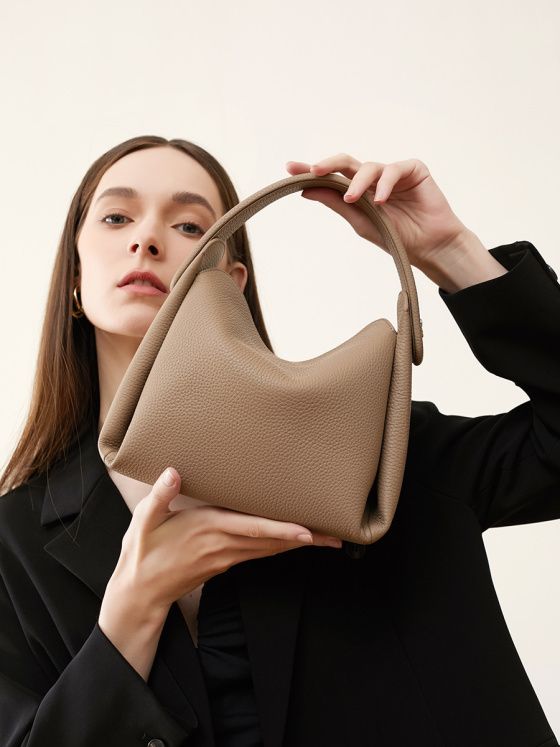
$199Elova Handcrafted Genuine Leather - Bag in White - E434
Elevate your everyday style with this handcrafted genuine leather large capacity handbag - premium d...
$219Elova Handcrafted Genuine Leather - Crossbody Bag in Black - E280
Elevate your everyday style with this handcrafted genuine cowhide leather premium handbag - versatil...
$259Related Articles
- How to Clean Leather Handbags: Complete Step-by-Step Guide
Step-by-step instructions for cleaning your leather handbags.
- How to Store Leather Handbags Properly: Storage Guide
Learn the best practices for storing your leather handbags.
- Genuine Leather vs Faux Leather: Complete Comparison Guide
Compare genuine leather and faux leather to make informed decisions.