How to Break in a New Leather Handbag
.jpg)
Quick Answer
Understanding the Leather Break-In Process When you purchase a new leather handbag, the material is often stiff and structured. This rigidity is actually a sign of quality leather that has not been over-processed. Learning how to break in a new leather handbag properly ensures your investment becomes more comfortable and beautiful over time without causing damage. New leather contains tightly bound fibers and natural oils that need time to loosen and redistribute. The break-in process allows these fibers to relax while maintaining the structural integrity that protects your belongings. Across the United States, handbag enthusiasts have discovered that patience combined
Key Points
- 1Understanding the Leather Break-In Process When you purchase a new leather handbag, the material is often stiff and structured
- 2This rigidity is actually a sign of quality leather that has not been over-processed
- 3Learning how to break in a new leather handbag properly ensures your investment becomes more comfortable and beautiful over time without causing damage
- 4New leather contains tightly bound fibers and natural oils that need time to loosen and redistribute
- 5The break-in process allows these fibers to relax while maintaining the structural integrity that protects your belongings
Understanding the Leather Break-In Process
When you purchase a new leather handbag, the material is often stiff and structured. This rigidity is actually a sign of quality leather that has not been over-processed. Learning how to break in a new leather handbag properly ensures your investment becomes more comfortable and beautiful over time without causing damage.
New leather contains tightly bound fibers and natural oils that need time to loosen and redistribute. The break-in process allows these fibers to relax while maintaining the structural integrity that protects your belongings. Across the United States, handbag enthusiasts have discovered that patience combined with proper technique yields the best results.
Why Proper Break-In Matters
Rushing the break-in process or using inappropriate methods can permanently damage your leather handbag. Cracking, discoloration, and weakened seams are common consequences of aggressive softening techniques. Understanding the science behind leather conditioning helps you avoid these costly mistakes.
Quality leather is an investment, and the break-in period is when you establish the foundation for years of enjoyment. A properly broken-in bag develops a unique patina that tells the story of your adventures together.
Essential Supplies for Breaking In Your Handbag
Before you begin the break-in process, gather these supplies:
- High-quality leather conditioner appropriate for your leather type
- Soft, lint-free microfiber cloths
- Clean cotton balls or applicator pads
- A dust bag or cotton pillowcase for storage
- Acid-free tissue paper for stuffing
Investing in proper supplies protects your handbag throughout the softening process. Avoid household products like olive oil or petroleum jelly, which can clog leather pores and cause long-term damage.
The Natural Wear Method
The safest and most effective way to break in a new leather handbag is through consistent daily use. Here is the step-by-step approach:
Week One: Light Introduction
- Fill your bag to approximately 50-75% capacity with lightweight items
- Carry the bag for 2-3 hours daily
- Gently flex the handles and straps while carrying
- Store properly with tissue paper stuffing overnight
- Apply a thin layer of conditioner at the end of the week
During this initial phase, the leather begins absorbing natural oils from your hands and responding to body heat. This gradual exposure starts the softening process without stress on the material.
Week Two: Increasing Use
- Extend daily carry time to 4-6 hours
- Fill the bag closer to full capacity
- Practice opening and closing clasps and zippers frequently
- Gently massage stiff areas with clean hands
- Continue nightly stuffing and proper storage
By the second week, you should notice the leather becoming more pliable, especially in high-contact areas like handles and corners.
Weeks Three and Four: Full Integration
- Use the bag as your primary everyday carry
- Allow natural movement and handling
- Apply conditioner every 5-7 days
- Monitor for any areas remaining stiff and give extra attention
Most leather handbags reach comfortable suppleness by the end of week four with this method.
Conditioning Techniques That Accelerate Softening
Leather conditioner is your primary tool for how to break in a new leather handbag more quickly. Proper application technique makes a significant difference:
- Clean the leather surface with a slightly damp cloth and let it dry completely
- Apply a small amount of conditioner to your cloth, not directly to the bag
- Work in circular motions, covering small sections at a time
- Pay extra attention to stiff corners, handles, and fold points
- Allow the conditioner to absorb for 15-20 minutes
- Buff away any excess with a clean, dry cloth
For particularly stiff areas, you can apply a second thin coat after the first has fully absorbed. Never saturate the leather, as this can cause water damage and encourage mold growth.
Safe Stretching Techniques
Some areas of your handbag may need gentle stretching to achieve optimal comfort. Here are approved methods:
Handle Softening
Wrap the handles around a padded cylinder (like a rolled towel) overnight. This gentle curve helps loosen the fibers without creating stress points.
Opening Expansion
Stuff your bag firmly with soft materials like clean t-shirts or bubble wrap. Leave it stuffed for 24-48 hours. This expands the main compartment gently.
Clasp and Closure Areas
Work clasps and zippers open and closed 10-15 times daily. This loosens the hardware and surrounding leather together, preventing uneven wear.
Methods to Avoid
Certain popular suggestions for breaking in leather can cause irreversible damage:
- Never use a hair dryer or any direct heat source
- Avoid soaking leather in water or leaving it in humid environments
- Do not use alcohol, acetone, or harsh chemical cleaners
- Skip the advice to leave bags in direct sunlight
- Never attempt to stretch leather by overloading the bag with heavy items
These methods may provide quick results but compromise the leather's longevity and appearance.
Timeline Expectations by Leather Type
Different leather types require different break-in periods:
Full-Grain Leather
This highest-quality leather takes 3-6 weeks to fully break in. The natural surface marks and variations soften beautifully over time, developing rich character.Top-Grain Leather
Slightly more processed than full-grain, top-grain leather typically softens within 2-4 weeks. It responds well to conditioning treatments.Genuine Leather
This more affordable option often starts softer and may only need 1-2 weeks of break-in time. However, it may not develop the same beautiful patina as higher grades.Maintaining Your Broken-In Bag
Once your handbag reaches the desired suppleness, maintain it with regular care:
- Condition every 2-3 months during regular use
- Store properly when not in use with tissue paper stuffing
- Rotate between bags to prevent excessive wear
- Clean promptly after exposure to dirt or moisture
- Keep away from direct sunlight and heat sources
A well-maintained leather handbag in the USA can last decades, becoming softer and more beautiful with each passing year.
Signs Your Break-In Process Is Working
Look for these positive indicators:
- Leather feels warmer to the touch
- Handles conform comfortably to your grip
- Stiff corners begin to relax
- The bag opens and closes more easily
- A subtle sheen develops on high-contact areas
If you notice cracking, excessive dryness, or color changes, pause and reassess your technique. Consulting a professional leather care specialist can help correct course before permanent damage occurs.
Final Thoughts
Learning how to break in a new leather handbag is an investment in both time and technique. The natural wear method combined with proper conditioning produces the best long-term results. Remember that patience is essential and rushing the process often leads to disappointment.
Your new leather handbag will reward your careful attention with years of beauty and functionality. The break-in period is just the beginning of a lasting relationship with a quality accessory that improves with age.
FAQs
Q: How long does it take to break in a new leather handbag?A: Breaking in a new leather handbag typically takes 2-4 weeks of regular daily use. The timeline depends on leather thickness, quality, and how often you use the bag. Full-grain leather may take longer than softer top-grain varieties. Conditioning treatments can accelerate the process by 25-50%. Regular handling, filling the bag to capacity, and gentle manipulation help speed up softening. Patience is key as rushing can damage the leather.
Q: Can I use heat to soften a stiff leather handbag?A: Avoid using direct heat like hair dryers or radiators to soften leather handbags. Heat can cause leather to dry out, crack, and lose its natural oils permanently. Instead, use leather conditioner and natural body heat from regular use. If you need faster results, wrap the bag in a soft cloth and leave it in a warm room at room temperature. Professional leather softeners are safe alternatives to heat methods.
Q: What is the best conditioner for breaking in new leather?A: The best conditioners for breaking in new leather include lanolin-based products, mink oil, and commercial leather conditioners from brands like Leather Honey or Chamberlains. Choose products specifically designed for handbag leather. Avoid petroleum-based products that can clog leather pores. Test any conditioner on a hidden area first. Apply thin layers every 3-5 days during the break-in period for optimal results.
Q: Will breaking in my leather handbag change its color?A: Properly breaking in leather should not significantly change its color, though slight deepening or richening is normal and desirable. This natural darkening creates the beautiful patina leather is prized for. Using too much conditioner or the wrong products can cause unwanted color changes. Always use products matched to your leather type and color. Light-colored bags require extra caution with conditioning products.
Why Trust Elova Bags?
98% Customer Satisfaction
Based on 10,000+ customer reviews
10,000+ Products Sold
Trusted by customers worldwide
Premium Quality Guaranteed
Genuine leather, handcrafted excellence
7-Day Money-Back Guarantee
Shop with confidence
Ready to Find Your Perfect Bag?
Browse our collection of premium leather handbags crafted with care and attention to detail
Order NowFrequently Asked Questions
QHow long does it take to break in a new leather handbag?
Breaking in a new leather handbag typically takes 2-4 weeks of regular daily use. The timeline depends on leather thickness, quality, and how often you use the bag. Full-grain leather may take longer than softer top-grain varieties. Conditioning treatments can accelerate the process by 25-50%. Regular handling, filling the bag to capacity, and gentle manipulation help speed up softening. Patience is key as rushing can damage the leather.
QCan I use heat to soften a stiff leather handbag?
Avoid using direct heat like hair dryers or radiators to soften leather handbags. Heat can cause leather to dry out, crack, and lose its natural oils permanently. Instead, use leather conditioner and natural body heat from regular use. If you need faster results, wrap the bag in a soft cloth and leave it in a warm room at room temperature. Professional leather softeners are safe alternatives to heat methods.
QWhat is the best conditioner for breaking in new leather?
The best conditioners for breaking in new leather include lanolin-based products, mink oil, and commercial leather conditioners from brands like Leather Honey or Chamberlains. Choose products specifically designed for handbag leather. Avoid petroleum-based products that can clog leather pores. Test any conditioner on a hidden area first. Apply thin layers every 3-5 days during the break-in period for optimal results.
QWill breaking in my leather handbag change its color?
Properly breaking in leather should not significantly change its color, though slight deepening or richening is normal and desirable. This natural darkening creates the beautiful patina leather is prized for. Using too much conditioner or the wrong products can cause unwanted color changes. Always use products matched to your leather type and color. Light-colored bags require extra caution with conditioning products.
Shop the Look
Complete your style with these matching pieces
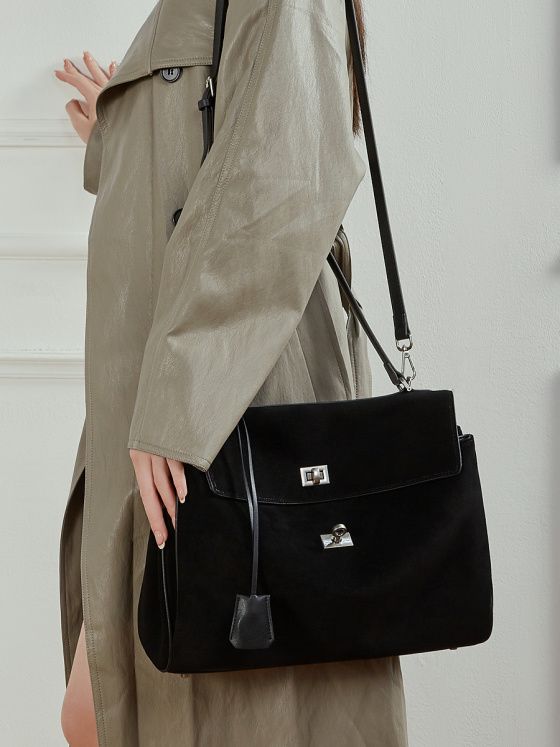
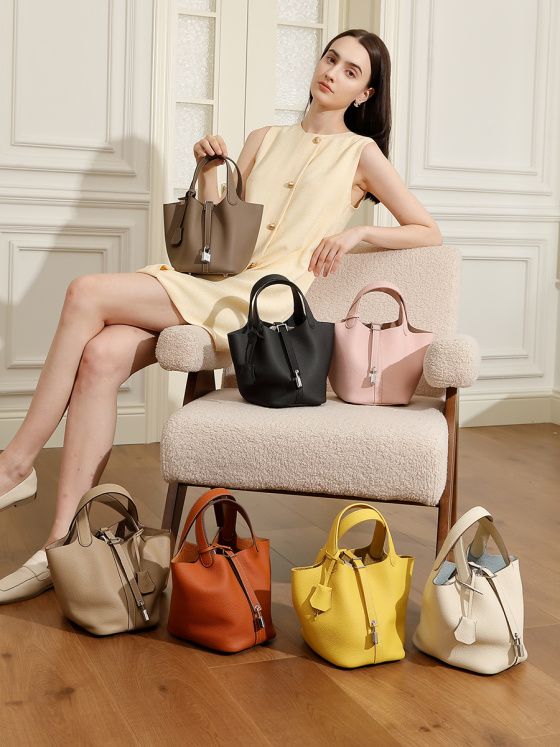
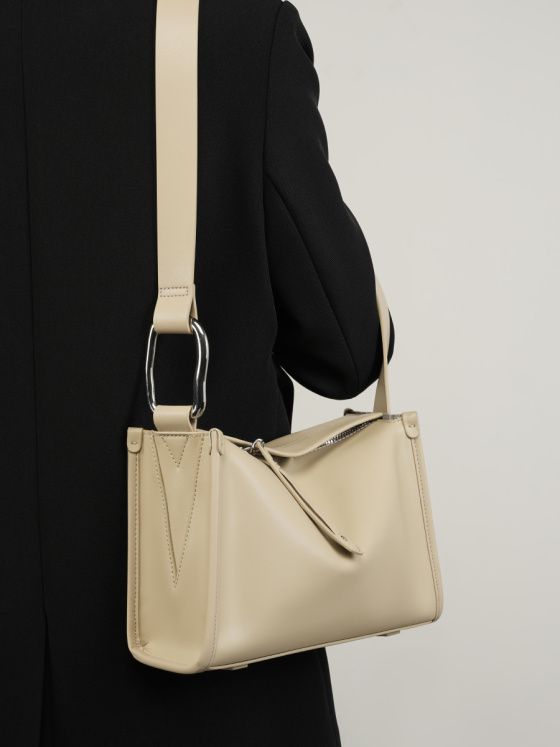
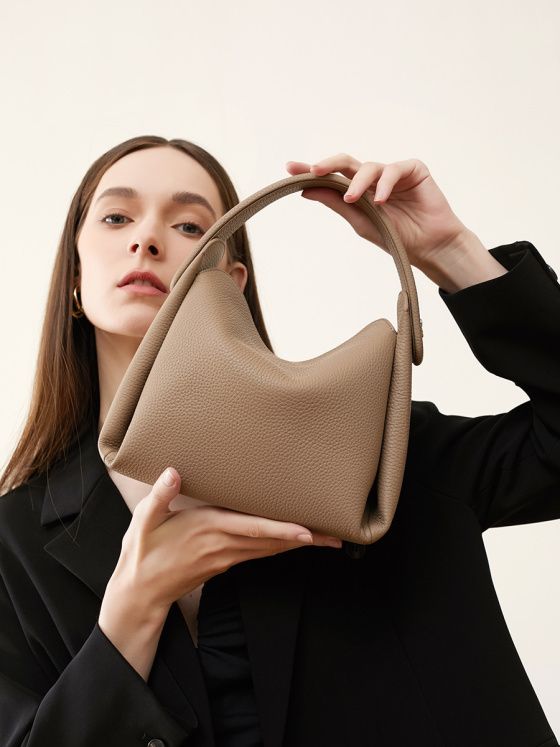
Shop Related Products
Elova Handcrafted Genuine Leather * Crossbody Bag in Black - E783
Elevate your everyday style with this handcrafted genuine leather vintage crossbody bag - large capa...
$359Elova Handcrafted Genuine Leather - Bag in Black - E693
Elevate your everyday style with this handcrafted genuine cowhide leather fashion women's bag - vers...
$199Elova Handcrafted Genuine Leather - Bag in White - E434
Elevate your everyday style with this handcrafted genuine leather large capacity handbag - premium d...
$219Elova Handcrafted Genuine Leather - Crossbody Bag in Black - E280
Elevate your everyday style with this handcrafted genuine cowhide leather premium handbag - versatil...
$259Related Articles
- How to Clean Leather Handbags: Complete Step-by-Step Guide
Step-by-step instructions for cleaning your leather handbags.
- How to Store Leather Handbags Properly: Storage Guide
Learn the best practices for storing your leather handbags.
- Genuine Leather vs Faux Leather: Complete Comparison Guide
Compare genuine leather and faux leather to make informed decisions.