How to Spot a Quality Leather Bag: 8 Tests Before You Buy
.jpg)
Quick Answer
Why Knowing Leather Quality Matters The leather bag market is full of products marketed as premium that are made from bonded leather scraps, painted cardboard backing, or PU plastic with a surface texture pressed to resemble grain. Knowing how to evaluate leather quality before you buy saves you money, frustration, and the disappointment of a bag that cracks and peels within a year. These eight tests work in stores, at markets, and when evaluating online product photos. Test 1: The Smell Test Real leather has an unmistakable smell — organic, slightly earthy, with depth. It is one of the most
Key Points
- 1Why Knowing Leather Quality Matters The leather bag market is full of products marketed as premium that are made from bonded leather scraps, painted cardboard backing, or PU plastic with a surface texture pressed to resemble grain
- 2Knowing how to evaluate leather quality before you buy saves you money, frustration, and the disappointment of a bag that cracks and peels within a year
- 3These eight tests work in stores, at markets, and when evaluating online product photos
- 4Test 1: The Smell Test Real leather has an unmistakable smell — organic, slightly earthy, with depth
- 5It is one of the most recognizable material smells in the world
Step-by-Step Guide
The Smell Test Real leather has an unmistakable smell — organic, slightly earthy, with depth. It is one of the most recognizable material smells in the world. Synthetic leather smells like plastic or chemicals. Bonded leather may have a faint chemical undertone beneath a surface that was sprayed with leather scent. Hold the bag near your nose and breathe in. If it smells like the inside of a new car rather than a tannery, it is not genuine leather. What you're looking for: An organic, earthy scent with no plastic or chemical undertone. Test 2: Examine the Grain Pattern Natural leather grain is irregular. Look closely at the surface and you will see that the pore pattern and texture varies across the material — more open grain in some areas, tighter in others. This variation is the mark of a real hide. Synthetic and low-grade bonded leather has a perfectly uniform, repeating grain pattern that was stamped by a machine. It looks identical across the entire surface with no variation. What you're looking for: Natural, irregular grain variation across the bag surface. Test 3: Check the Edges This is one of the clearest quality indicators. When leather is cut, the edge reveals the fibrous interior of the hide. High-quality bags finish these edges with burnishing, paint, or folding — but you can still see the material composition. Full-grain/top-grain leather edges: Show fibrous texture even when finished; edges have depth Genuine leather (split or bonded): Edges often show a grainy, almost cardboard-like cross-section that peels PU synthetic: Perfectly smooth, uniform edge with a plastic appearance Run your fingernail lightly along an interior edge at a seam. Synthetic materials often catch or separate. Test 4: Evaluate the Stitching Quality stitching reveals manufacturing standards more clearly than any other construction detail. Signs of quality stitching: Even stitch length throughout, with no variation Stitches sit slightly recessed into the leather Straight lines with no wobbling or drift Reinforced stitching at handles, corners, and hardware attachment points No loose thread ends, skipped stitches, or puckering Flip the bag over and check the underside of handles and straps — this is where construction shortcuts show up most clearly. Test 5: Test the Hardware Grab any zipper pull, buckle, or clasp on the bag and assess its weight. Quality hardware is solid metal — it has perceptible weight. Low-quality hardware is hollow or made from zinc alloy that feels light and plasticky. Zipper test: Run the zipper across its full length. It should glide smoothly with no catching, skipping, or jamming. YKK zippers (look for the logo on the pull) are an industry benchmark for quality. D-ring and clasp test: Twist a D-ring or clasp lightly. Quality hardware does not flex or deform under gentle pressure. Cheap hardware bends. Test 6: The Pinch and Release Test Pick up a small section of the bag body between your fingers, pinch it, hold for 3 seconds, then release. Genuine leather slowly springs back to shape and may show a faint crease that fades. Synthetic leather either springs back immediately (too elastic) or retains the crease permanently. Full-grain leather in particular has a characteristic resistance and recovery that no synthetic replicates convincingly. Test 7: Check the Lining Unzip the bag and examine the interior lining. Signs of quality lining: Fabric is sewn, not glued (check corners for peeling) Even tension with no bunching or loose areas Seams are finished, not raw The base of the bag has a structural insert or stiffener Pockets are reinforced at their attachment points A glued lining separates over time. A sewn lining outlasts the bag exterior. Test 8: Read the Label — But Know What It Means Leather labeling is frequently misleading: | Label | What It Actually Means ||-------|----------------------|| "Full-grain leather" | Highest quality — complete outer hide, natural grain || "Top-grain leather" | Good quality — sanded and embossed, more uniform || "Genuine leather" | Low quality — inner hide layers bonded together || "Bonded leather" | Very low quality — leather scraps glued to a base || "PU leather" | Not leather — polyurethane plastic || "Vegan leather" | Not leather — various synthetic materials | "Genuine leather" is the most confusing term in the industry. It sounds like a quality marker but actually sits near the bottom of the leather hierarchy. Quick Reference: Quality Scorecard Before buying, run through this checklist: [ ] Smells organic, not synthetic [ ] Grain varies naturally across the surface [ ] Edges show fibrous texture rather than plastic cross-section [ ] Stitching is uniform and recessed with no loose threads [ ] Hardware feels solid and heavy [ ] Pinch test shows natural leather recovery [ ] Lining is sewn, not glued [ ] Label says full-grain or top-grain (not "genuine leather") A bag that passes all eight tests is worth the investment. A bag that fails more than two is likely to disappoint within a year of regular use.
Why Knowing Leather Quality Matters
The leather bag market is full of products marketed as premium that are made from bonded leather scraps, painted cardboard backing, or PU plastic with a surface texture pressed to resemble grain. Knowing how to evaluate leather quality before you buy saves you money, frustration, and the disappointment of a bag that cracks and peels within a year.
These eight tests work in stores, at markets, and when evaluating online product photos.
Test 1: The Smell Test
Real leather has an unmistakable smell — organic, slightly earthy, with depth. It is one of the most recognizable material smells in the world. Synthetic leather smells like plastic or chemicals. Bonded leather may have a faint chemical undertone beneath a surface that was sprayed with leather scent.
Hold the bag near your nose and breathe in. If it smells like the inside of a new car rather than a tannery, it is not genuine leather.
What you're looking for: An organic, earthy scent with no plastic or chemical undertone.Test 2: Examine the Grain Pattern
Natural leather grain is irregular. Look closely at the surface and you will see that the pore pattern and texture varies across the material — more open grain in some areas, tighter in others. This variation is the mark of a real hide.
Synthetic and low-grade bonded leather has a perfectly uniform, repeating grain pattern that was stamped by a machine. It looks identical across the entire surface with no variation.
What you're looking for: Natural, irregular grain variation across the bag surface.Test 3: Check the Edges
This is one of the clearest quality indicators. When leather is cut, the edge reveals the fibrous interior of the hide. High-quality bags finish these edges with burnishing, paint, or folding — but you can still see the material composition.
- Full-grain/top-grain leather edges: Show fibrous texture even when finished; edges have depth
- Genuine leather (split or bonded): Edges often show a grainy, almost cardboard-like cross-section that peels
- PU synthetic: Perfectly smooth, uniform edge with a plastic appearance
Run your fingernail lightly along an interior edge at a seam. Synthetic materials often catch or separate.
Test 4: Evaluate the Stitching
Quality stitching reveals manufacturing standards more clearly than any other construction detail.
Signs of quality stitching:- Even stitch length throughout, with no variation
- Stitches sit slightly recessed into the leather
- Straight lines with no wobbling or drift
- Reinforced stitching at handles, corners, and hardware attachment points
- No loose thread ends, skipped stitches, or puckering
Flip the bag over and check the underside of handles and straps — this is where construction shortcuts show up most clearly.
Test 5: Test the Hardware
Grab any zipper pull, buckle, or clasp on the bag and assess its weight. Quality hardware is solid metal — it has perceptible weight. Low-quality hardware is hollow or made from zinc alloy that feels light and plasticky.
Zipper test: Run the zipper across its full length. It should glide smoothly with no catching, skipping, or jamming. YKK zippers (look for the logo on the pull) are an industry benchmark for quality.D-ring and clasp test: Twist a D-ring or clasp lightly. Quality hardware does not flex or deform under gentle pressure. Cheap hardware bends.Test 6: The Pinch and Release Test
Pick up a small section of the bag body between your fingers, pinch it, hold for 3 seconds, then release. Genuine leather slowly springs back to shape and may show a faint crease that fades. Synthetic leather either springs back immediately (too elastic) or retains the crease permanently.
Full-grain leather in particular has a characteristic resistance and recovery that no synthetic replicates convincingly.
Test 7: Check the Lining
Unzip the bag and examine the interior lining.
Signs of quality lining:- Fabric is sewn, not glued (check corners for peeling)
- Even tension with no bunching or loose areas
- Seams are finished, not raw
- The base of the bag has a structural insert or stiffener
- Pockets are reinforced at their attachment points
A glued lining separates over time. A sewn lining outlasts the bag exterior.
Test 8: Read the Label — But Know What It Means
Leather labeling is frequently misleading:
| Label | What It Actually Means ||-------|----------------------|| "Full-grain leather" | Highest quality — complete outer hide, natural grain || "Top-grain leather" | Good quality — sanded and embossed, more uniform || "Genuine leather" | Low quality — inner hide layers bonded together || "Bonded leather" | Very low quality — leather scraps glued to a base || "PU leather" | Not leather — polyurethane plastic || "Vegan leather" | Not leather — various synthetic materials |
"Genuine leather" is the most confusing term in the industry. It sounds like a quality marker but actually sits near the bottom of the leather hierarchy.
Quick Reference: Quality Scorecard
Before buying, run through this checklist:
- [ ] Smells organic, not synthetic
- [ ] Grain varies naturally across the surface
- [ ] Edges show fibrous texture rather than plastic cross-section
- [ ] Stitching is uniform and recessed with no loose threads
- [ ] Hardware feels solid and heavy
- [ ] Pinch test shows natural leather recovery
- [ ] Lining is sewn, not glued
- [ ] Label says full-grain or top-grain (not "genuine leather")
A bag that passes all eight tests is worth the investment. A bag that fails more than two is likely to disappoint within a year of regular use.
Why Trust Elova Bags?
98% Customer Satisfaction
Based on 10,000+ customer reviews
10,000+ Products Sold
Trusted by customers worldwide
Premium Quality Guaranteed
Genuine leather, handcrafted excellence
7-Day Money-Back Guarantee
Shop with confidence
Ready to Find Your Perfect Bag?
Browse our collection of premium leather handbags crafted with care and attention to detail
Order NowFrequently Asked Questions
QHow can you tell if a bag is real leather?
The most reliable tests are smell, texture, and edge finishing. Real leather has a distinctive organic, slightly earthy smell that synthetic materials cannot replicate. The surface of genuine leather shows natural grain variation — no two areas look identical. The edges of real leather are slightly rough or burnished rather than perfectly uniform, because leather is cut from hide and the edges reveal the fibrous interior. PU and synthetic leather edges are perfectly smooth, often showing a plastic-like cross-section when examined closely.
QWhat is the difference between full-grain, top-grain, and genuine leather?
Full-grain leather is the highest quality — the complete outer hide with natural grain intact, including marks and variations. It is the most durable and develops the richest patina. Top-grain leather has the surface sanded to remove blemishes and is then embossed with a uniform grain pattern — more consistent-looking but less durable than full-grain. Genuine leather is a marketing term that actually indicates lower quality — it is made from the inner layers of the hide bonded together, and it peels and cracks within a few years.
QWhat should leather stitching look like on a quality bag?
Quality stitching is uniform in length and spacing, sits in a straight line, and uses thread that is slightly recessed into the leather rather than sitting on top. There should be no loose threads, skipped stitches, or uneven tension. The thread color typically matches the leather or provides a deliberate contrast. At stress points — handle attachments, corners, strap hardware — high-quality bags use additional reinforcement stitching or bar tacks. Poor stitching is the fastest sign of low-quality manufacturing.
Shop the Look
Complete your style with these matching pieces
Shop Related Products
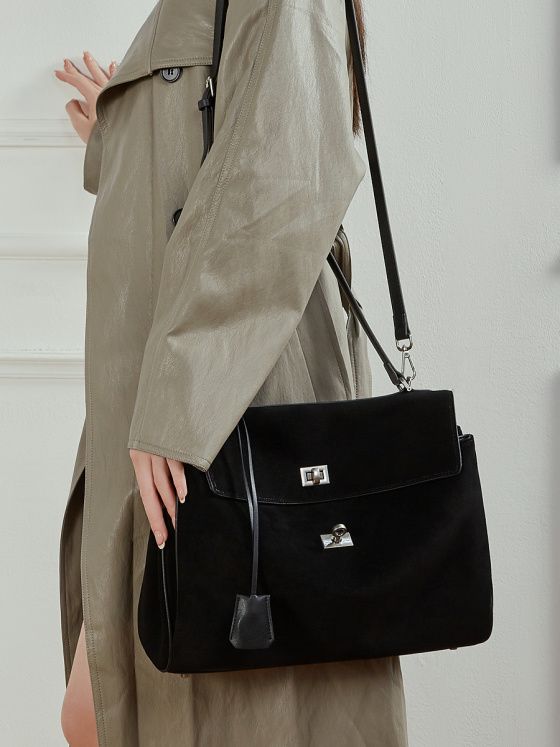
Elova Handcrafted Genuine Leather * Crossbody Bag in Black - E783
Elevate your everyday style with this handcrafted genuine leather vintage crossbody bag - large capa...
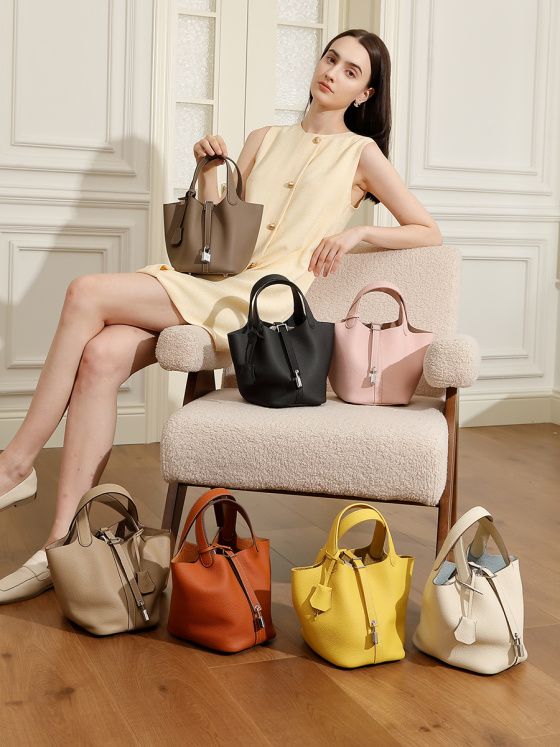
$359Elova Handcrafted Genuine Leather - Bag in Black - E693
Elevate your everyday style with this handcrafted genuine cowhide leather fashion women's bag - vers...
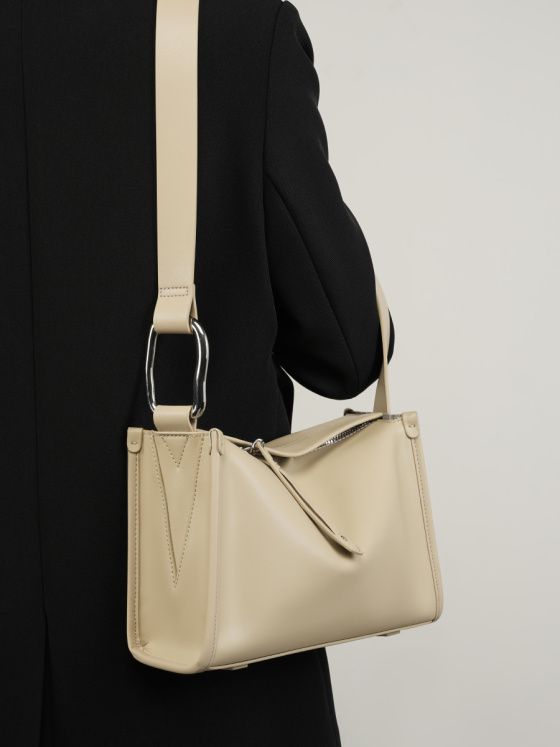
$199Elova Handcrafted Genuine Leather - Bag in White - E434
Elevate your everyday style with this handcrafted genuine leather large capacity handbag - premium d...
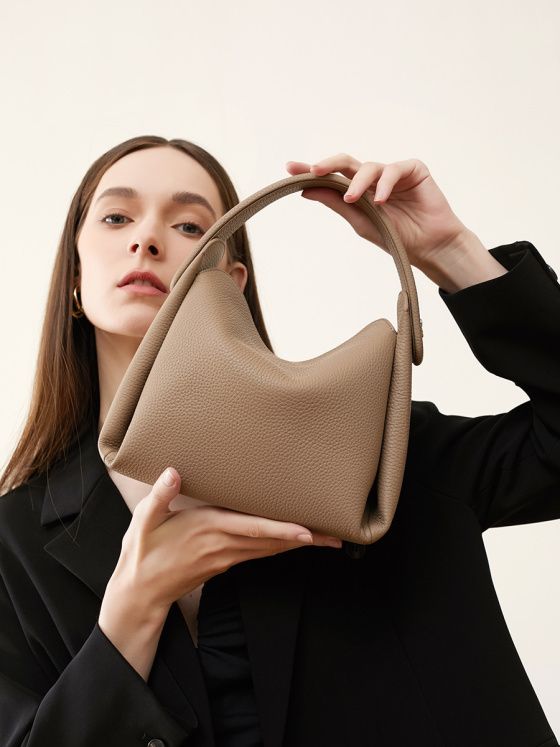
$219Elova Handcrafted Genuine Leather - Crossbody Bag in Black - E280
Elevate your everyday style with this handcrafted genuine cowhide leather premium handbag - versatil...
$259Related Articles
- How to Choose the Right Handbag Size: Complete Size Guide
Complete guide to choosing the perfect handbag size.
- Crossbody vs Shoulder Bag vs Tote: Which Handbag Style is Right for You?
Compare different handbag styles to find your perfect match.
- Best Leather Handbags Under $200 for Everyday Use
Discover affordable, quality leather handbags.