How to Organize Your Handbag for Maximum Efficiency
.jpg)
Quick Answer
The Hidden Cost of Handbag Chaos How much time do you spend digging through your handbag searching for keys, phone, or wallet? Studies suggest the average person wastes 10-15 minutes daily looking for items in disorganized bags. Learning how to organize your handbag for maximum efficiency eliminates this frustration and transforms your daily routine. An organized handbag does more than save time. It reduces stress, protects your belongings from damage, and ensures you always have what you need when you need it. Women across the United States are discovering that systematic organization is the key to a smoother, more productive
Key Points
- 1The Hidden Cost of Handbag Chaos How much time do you spend digging through your handbag searching for keys, phone, or wallet
- 2Studies suggest the average person wastes 10-15 minutes daily looking for items in disorganized bags
- 3Learning how to organize your handbag for maximum efficiency eliminates this frustration and transforms your daily routine
- 4An organized handbag does more than save time
- 5It reduces stress, protects your belongings from damage, and ensures you always have what you need when you need it
Step-by-Step Guide
5-1 inch smaller than your bag interior Opt for lightweight felt or nylon materials Select styles with varied pocket sizes Consider rigid bases for soft bags Look for handles to easily transfer between bags Popular options include brands like Samorga and Zoomoni, which offer custom-fit inserts for specific designer bags. Zippered Pouches Color-coded pouches categorize smaller items: Clear pouches for visibility Mesh bags for breathability Solid colors for category coding Waterproof options for liquids Assign categories: red for cosmetics, blue for electronics, green for health and wellness. Card Cases and Slim Wallets Bulky wallets consume valuable space. Consider: Slim card holders for everyday cards Phone cases with card slots RFID-blocking slim wallets Separate coin purses if needed Reducing wallet bulk creates room for organization tools. Key Organization Keys tangle with everything and scratch surfaces: Use a dedicated key pouch or case Consider a key finder tile for peace of mind Attach to a bag clip for consistent placement Minimize keychain bulk by removing rarely used keys Building Your Perfect System Create a customized organization approach in four steps:
Audit Your Actual Needs Track what you actually use for one full week: Note every item you reach for daily Mark items used weekly Identify items carried but never used Record items you wished you had This data reveals your true requirements versus perceived needs.
Select Your Container Strategy Based on your audit, choose organizational containers: Main insert for structure and primary compartments 2-3 pouches for categorized small items One flat pouch for papers and receipts Key holder or clip Avoid over-organizing with too many containers, which creates its own chaos.
Assign Permanent Homes Every item needs a designated location: Place grab-zone items in the most accessible spots Assign pouches to specific pockets or sections Keep heavier items toward the bottom and center Position fragile items away from hard objects Consistency is essential. Return items to their assigned spots every time.
Practice and Refine Test your system for two weeks: Note any friction points or delays Adjust placement based on actual use patterns Add or remove pouches as needed Simplify where possible The goal is effortless retrieval, not perfect aesthetics. Organization by Bag Type Different bag styles require adapted approaches when learning how to organize your handbag for maximum efficiency: Tote Bags Large, open totes need the most structure: Use a rigid organizer insert with handles Add a base shaper for flat bottom support Group items in multiple pouches by category Keep essentials in exterior pockets when available Avoid loose small items that sink to the bottom Crossbody Bags Limited space requires strict prioritization: Carry only absolute essentials Use a slim card case instead of wallet Choose phone case with card storage Select mini versions of cosmetics Skip unnecessary backup items Structured Satchels Built-in compartments guide organization: Utilize manufacturer-intended pocket functions Add small pouches within larger compartments Keep front pockets for grab-zone items Use back pockets for flat items like receipts Hobo Bags Curved shapes resist traditional inserts: Use flexible fabric organizers Place heavier items at the curve bottom Keep lightweight items toward top Consider a chain or clip for keys The Essential Items Checklist Streamline your everyday carry to these categories: Non-Negotiables Wallet or payment method Phone Keys Identification Health and Safety Hand sanitizer Lip balm with SPF Tissues or handkerchief Any personal medications Convenience Items Pen Hair tie or clip Breath freshener Compact mirror Situational Additions Sunglasses (daytime) Reading glasses (if needed) Umbrella (weather dependent) Snack (long outings) Evaluate situational items weekly based on your schedule. Maintenance Habits for Lasting Organization Organization requires ongoing attention: Daily Practices Return items to assigned spots immediately after use Transfer receipts to a designated pouch or discard Check for trash before storing your bag Reposition any displaced items at day end Weekly Reset Schedule 10 minutes weekly to: Empty bag completely Wipe interior clean Review and remove unnecessary items Restock depleted essentials Check expiration dates on products Monthly Review Once monthly, assess your system: Evaluate whether current organization serves your needs Replace worn pouches or organizers Update seasonal items Adjust for changing routines Common Mistakes to Avoid These habits undermine organization efforts: Tossing items in without returning to assigned spots Using the bottom of your bag as a trash can Carrying backup items you never use Over-purchasing organizational tools Ignoring the weekly reset routine Travel and Work Considerations Adapt your organization for specific situations: Work Bags Add these professional essentials: Business card holder Charging cables Small notebook Professional lip color Stain remover pen Travel Days Modify your system for airports and extended outings: Clear TSA-compliant toiletry bag Phone charger and power bank Snacks and water bottle Entertainment for delays All travel documents in one pouch Across the USA, frequent travelers report that systematic organization reduces travel stress significantly. Final Thoughts Understanding how to organize your handbag for maximum efficiency is a skill that pays dividends daily. The initial investment of time to establish systems, select tools, and build habits transforms chaotic searching into confident retrieval. Start with a complete purge, select appropriate containers, assign permanent homes, and commit to regular maintenance. An organized handbag reflects an organized life and ensures you face each day prepared and confident. FAQs Q: What are the best handbag organizers to use? A: The best handbag organizers include felt inserts with multiple pockets that fit specific bag shapes, zippered pouches for small items, clear cosmetic bags for visibility, and rigid organizers for structured bags. Popular brands include Samorga, Zoomoni, and AlgorithmBags. Choose organizers that match your bag dimensions with 0.5-1 inch allowance. Look for lightweight materials that add minimal bulk. Removable organizers make switching bags easy. Q: How do I prevent my handbag from getting cluttered? A: Prevent handbag clutter by establishing a weekly clean-out routine every Sunday evening. Use designated pouches for categories like cosmetics, electronics, and personal items. Keep only daily essentials in your bag and store extras elsewhere. Practice the one-in-one-out rule when adding items. Avoid using your bag as a trash receptacle. Empty receipts and wrappers immediately. A streamlined bag is easier to maintain than an overstuffed one. Q: What essentials should I always carry in my handbag? A: Essential handbag items include wallet or card holder, phone, keys, lip balm, small mirror, tissues or handkerchief, hand sanitizer, pain reliever, breath mints, pen, and any personal medications. For work, add business cards and a small notebook. Adjust based on your daily activities. Keep a minimal emergency kit with a bandage and safety pin. Review your essentials quarterly and remove items you never use. Q: How do I organize a tote bag without internal pockets? A: Organize pocket-less tote bags using a structured felt insert with multiple compartments. Group items in zippered pouches by category before placing in the tote. Use a slim card case instead of bulky wallet. Keep phone in an easily accessible top section. Place heavier items at the bottom for stability. Consider a bag-in-bag organizer that provides structure and pockets while remaining removable for easy bag switching.
The Hidden Cost of Handbag Chaos
How much time do you spend digging through your handbag searching for keys, phone, or wallet? Studies suggest the average person wastes 10-15 minutes daily looking for items in disorganized bags. Learning how to organize your handbag for maximum efficiency eliminates this frustration and transforms your daily routine.
An organized handbag does more than save time. It reduces stress, protects your belongings from damage, and ensures you always have what you need when you need it. Women across the United States are discovering that systematic organization is the key to a smoother, more productive day.
The Foundation of Handbag Organization
Before implementing any organization system, start with a complete purge:
The Clean Slate Method
- Empty your bag completely onto a clean surface
- Wipe out the interior to remove debris and crumbs
- Sort items into three piles: keep daily, keep occasionally, discard
- Be ruthless with items you have not used in the past month
- Dispose of trash, expired products, and duplicates
This reset creates space for intentional organization rather than accumulated chaos.
Understanding Your Handbag Zones
Every bag, regardless of size, can be divided into functional zones:
The Grab Zone
The most accessible area near the top or exterior pocket. Reserve this for items you need instantly:
- Phone
- Keys
- Transit pass or quick-access cards
- Sunglasses
These items should be retrievable without looking or digging.
The Core Zone
The main compartment holds your primary essentials:
- Wallet or card case
- Makeup pouch
- Planner or notebook
- Snacks
These items are used frequently but can tolerate a few seconds of searching.
The Backup Zone
Interior or bottom pockets for items needed occasionally:
- Medications
- Emergency supplies
- Charger or power bank
- Umbrella
These rarely accessed items stay secure without cluttering primary areas.
Essential Organizational Tools
Learning how to organize your handbag for maximum efficiency requires the right equipment:
Purse Organizer Inserts
Structured inserts transform shapeless bags into organized systems:
- Choose inserts 0.5-1 inch smaller than your bag interior
- Opt for lightweight felt or nylon materials
- Select styles with varied pocket sizes
- Consider rigid bases for soft bags
- Look for handles to easily transfer between bags
Popular options include brands like Samorga and Zoomoni, which offer custom-fit inserts for specific designer bags.
Zippered Pouches
Color-coded pouches categorize smaller items:
- Clear pouches for visibility
- Mesh bags for breathability
- Solid colors for category coding
- Waterproof options for liquids
Assign categories: red for cosmetics, blue for electronics, green for health and wellness.
Card Cases and Slim Wallets
Bulky wallets consume valuable space. Consider:
- Slim card holders for everyday cards
- Phone cases with card slots
- RFID-blocking slim wallets
- Separate coin purses if needed
Reducing wallet bulk creates room for organization tools.
Key Organization
Keys tangle with everything and scratch surfaces:
- Use a dedicated key pouch or case
- Consider a key finder tile for peace of mind
- Attach to a bag clip for consistent placement
- Minimize keychain bulk by removing rarely used keys
Building Your Perfect System
Create a customized organization approach in four steps:
Step 1: Audit Your Actual Needs
Track what you actually use for one full week:
- Note every item you reach for daily
- Mark items used weekly
- Identify items carried but never used
- Record items you wished you had
This data reveals your true requirements versus perceived needs.
Step 2: Select Your Container Strategy
Based on your audit, choose organizational containers:
- Main insert for structure and primary compartments
- 2-3 pouches for categorized small items
- One flat pouch for papers and receipts
- Key holder or clip
Avoid over-organizing with too many containers, which creates its own chaos.
Step 3: Assign Permanent Homes
Every item needs a designated location:
- Place grab-zone items in the most accessible spots
- Assign pouches to specific pockets or sections
- Keep heavier items toward the bottom and center
- Position fragile items away from hard objects
Consistency is essential. Return items to their assigned spots every time.
Step 4: Practice and Refine
Test your system for two weeks:
- Note any friction points or delays
- Adjust placement based on actual use patterns
- Add or remove pouches as needed
- Simplify where possible
The goal is effortless retrieval, not perfect aesthetics.
Organization by Bag Type
Different bag styles require adapted approaches when learning how to organize your handbag for maximum efficiency:
Tote Bags
Large, open totes need the most structure:
- Use a rigid organizer insert with handles
- Add a base shaper for flat bottom support
- Group items in multiple pouches by category
- Keep essentials in exterior pockets when available
- Avoid loose small items that sink to the bottom
Crossbody Bags
Limited space requires strict prioritization:
- Carry only absolute essentials
- Use a slim card case instead of wallet
- Choose phone case with card storage
- Select mini versions of cosmetics
- Skip unnecessary backup items
Structured Satchels
Built-in compartments guide organization:
- Utilize manufacturer-intended pocket functions
- Add small pouches within larger compartments
- Keep front pockets for grab-zone items
- Use back pockets for flat items like receipts
Hobo Bags
Curved shapes resist traditional inserts:
- Use flexible fabric organizers
- Place heavier items at the curve bottom
- Keep lightweight items toward top
- Consider a chain or clip for keys
The Essential Items Checklist
Streamline your everyday carry to these categories:
Non-Negotiables
- Wallet or payment method
- Phone
- Keys
- Identification
Health and Safety
- Hand sanitizer
- Lip balm with SPF
- Tissues or handkerchief
- Any personal medications
Convenience Items
- Pen
- Hair tie or clip
- Breath freshener
- Compact mirror
Situational Additions
- Sunglasses (daytime)
- Reading glasses (if needed)
- Umbrella (weather dependent)
- Snack (long outings)
Evaluate situational items weekly based on your schedule.
Maintenance Habits for Lasting Organization
Organization requires ongoing attention:
Daily Practices
- Return items to assigned spots immediately after use
- Transfer receipts to a designated pouch or discard
- Check for trash before storing your bag
- Reposition any displaced items at day end
Weekly Reset
Schedule 10 minutes weekly to:
- Empty bag completely
- Wipe interior clean
- Review and remove unnecessary items
- Restock depleted essentials
- Check expiration dates on products
Monthly Review
Once monthly, assess your system:
- Evaluate whether current organization serves your needs
- Replace worn pouches or organizers
- Update seasonal items
- Adjust for changing routines
Common Mistakes to Avoid
These habits undermine organization efforts:
- Tossing items in without returning to assigned spots
- Using the bottom of your bag as a trash can
- Carrying backup items you never use
- Over-purchasing organizational tools
- Ignoring the weekly reset routine
Travel and Work Considerations
Adapt your organization for specific situations:
Work Bags
Add these professional essentials:
- Business card holder
- Charging cables
- Small notebook
- Professional lip color
- Stain remover pen
Travel Days
Modify your system for airports and extended outings:
- Clear TSA-compliant toiletry bag
- Phone charger and power bank
- Snacks and water bottle
- Entertainment for delays
- All travel documents in one pouch
Across the USA, frequent travelers report that systematic organization reduces travel stress significantly.
Final Thoughts
Understanding how to organize your handbag for maximum efficiency is a skill that pays dividends daily. The initial investment of time to establish systems, select tools, and build habits transforms chaotic searching into confident retrieval. Start with a complete purge, select appropriate containers, assign permanent homes, and commit to regular maintenance.
An organized handbag reflects an organized life and ensures you face each day prepared and confident.
FAQs
Q: What are the best handbag organizers to use?A: The best handbag organizers include felt inserts with multiple pockets that fit specific bag shapes, zippered pouches for small items, clear cosmetic bags for visibility, and rigid organizers for structured bags. Popular brands include Samorga, Zoomoni, and AlgorithmBags. Choose organizers that match your bag dimensions with 0.5-1 inch allowance. Look for lightweight materials that add minimal bulk. Removable organizers make switching bags easy.
Q: How do I prevent my handbag from getting cluttered?A: Prevent handbag clutter by establishing a weekly clean-out routine every Sunday evening. Use designated pouches for categories like cosmetics, electronics, and personal items. Keep only daily essentials in your bag and store extras elsewhere. Practice the one-in-one-out rule when adding items. Avoid using your bag as a trash receptacle. Empty receipts and wrappers immediately. A streamlined bag is easier to maintain than an overstuffed one.
Q: What essentials should I always carry in my handbag?A: Essential handbag items include wallet or card holder, phone, keys, lip balm, small mirror, tissues or handkerchief, hand sanitizer, pain reliever, breath mints, pen, and any personal medications. For work, add business cards and a small notebook. Adjust based on your daily activities. Keep a minimal emergency kit with a bandage and safety pin. Review your essentials quarterly and remove items you never use.
Q: How do I organize a tote bag without internal pockets?A: Organize pocket-less tote bags using a structured felt insert with multiple compartments. Group items in zippered pouches by category before placing in the tote. Use a slim card case instead of bulky wallet. Keep phone in an easily accessible top section. Place heavier items at the bottom for stability. Consider a bag-in-bag organizer that provides structure and pockets while remaining removable for easy bag switching.
Why Trust Elova Bags?
98% Customer Satisfaction
Based on 10,000+ customer reviews
10,000+ Products Sold
Trusted by customers worldwide
Premium Quality Guaranteed
Genuine leather, handcrafted excellence
7-Day Money-Back Guarantee
Shop with confidence
Ready to Find Your Perfect Bag?
Browse our collection of premium leather handbags crafted with care and attention to detail
Order NowFrequently Asked Questions
QWhat are the best handbag organizers to use?
The best handbag organizers include felt inserts with multiple pockets that fit specific bag shapes, zippered pouches for small items, clear cosmetic bags for visibility, and rigid organizers for structured bags. Popular brands include Samorga, Zoomoni, and AlgorithmBags. Choose organizers that match your bag dimensions with 0.5-1 inch allowance. Look for lightweight materials that add minimal bulk. Removable organizers make switching bags easy.
QHow do I prevent my handbag from getting cluttered?
Prevent handbag clutter by establishing a weekly clean-out routine every Sunday evening. Use designated pouches for categories like cosmetics, electronics, and personal items. Keep only daily essentials in your bag and store extras elsewhere. Practice the one-in-one-out rule when adding items. Avoid using your bag as a trash receptacle. Empty receipts and wrappers immediately. A streamlined bag is easier to maintain than an overstuffed one.
QWhat essentials should I always carry in my handbag?
Essential handbag items include wallet or card holder, phone, keys, lip balm, small mirror, tissues or handkerchief, hand sanitizer, pain reliever, breath mints, pen, and any personal medications. For work, add business cards and a small notebook. Adjust based on your daily activities. Keep a minimal emergency kit with a bandage and safety pin. Review your essentials quarterly and remove items you never use.
QHow do I organize a tote bag without internal pockets?
Organize pocket-less tote bags using a structured felt insert with multiple compartments. Group items in zippered pouches by category before placing in the tote. Use a slim card case instead of bulky wallet. Keep phone in an easily accessible top section. Place heavier items at the bottom for stability. Consider a bag-in-bag organizer that provides structure and pockets while remaining removable for easy bag switching.
Shop the Look
Complete your style with these matching pieces
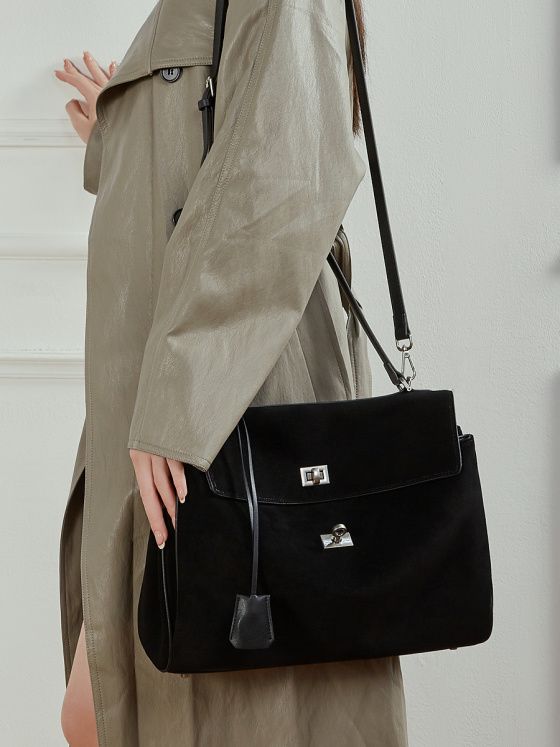

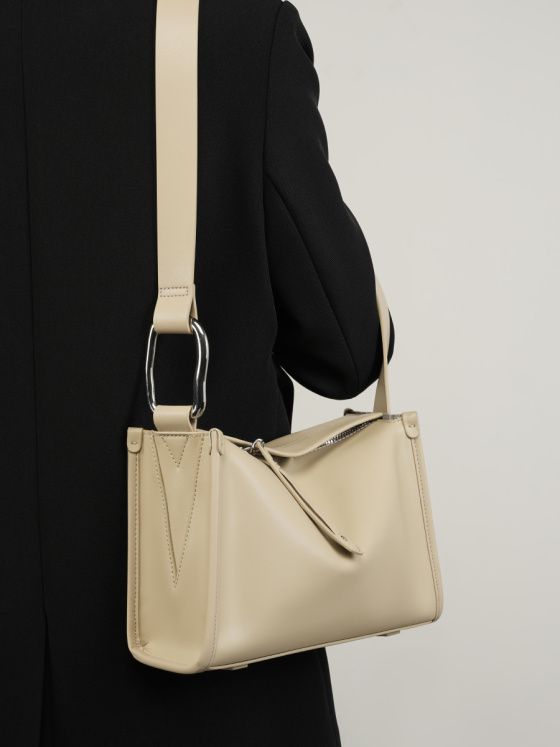
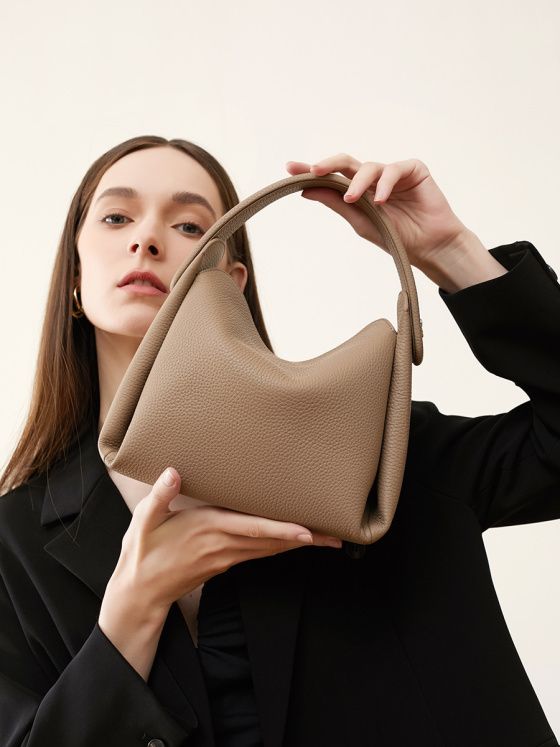
Shop Related Products
Elova Handcrafted Genuine Leather * Crossbody Bag in Black - E783
Elevate your everyday style with this handcrafted genuine leather vintage crossbody bag - large capa...
$359Elova Handcrafted Genuine Leather - Bag in Black - E693
Elevate your everyday style with this handcrafted genuine cowhide leather fashion women's bag - vers...
$199Elova Handcrafted Genuine Leather - Bag in White - E434
Elevate your everyday style with this handcrafted genuine leather large capacity handbag - premium d...
$219Elova Handcrafted Genuine Leather - Crossbody Bag in Black - E280
Elevate your everyday style with this handcrafted genuine cowhide leather premium handbag - versatil...
$259