How to Authenticate a Vintage Designer Handbag
.jpg)
Quick Answer
Why Authentication Matters More Than Ever The vintage designer handbag market is booming, with pre-owned luxury bags becoming a mainstream fashion choice and even an investment vehicle. Unfortunately, the counterfeit market has kept pace. Industry estimates suggest that counterfeit goods account for billions of dollars in annual sales worldwide, and handbags are among the most commonly faked luxury items. Knowing how to authenticate a vintage designer handbag protects you from spending hundreds or thousands of dollars on a fake. Whether you are shopping at estate sales, online marketplaces, or consignment stores across the United States, these skills are essential. Step
Key Points
- 1Why Authentication Matters More Than Ever The vintage designer handbag market is booming, with pre-owned luxury bags becoming a mainstream fashion choice and even an investment vehicle
- 2Unfortunately, the counterfeit market has kept pace
- 3Industry estimates suggest that counterfeit goods account for billions of dollars in annual sales worldwide, and handbags are among the most commonly faked luxury items
- 4Knowing how to authenticate a vintage designer handbag protects you from spending hundreds or thousands of dollars on a fake
- 5Whether you are shopping at estate sales, online marketplaces, or consignment stores across the United States, these skills are essential
Step-by-Step Guide
Start With the Serial Number and Date Code Every major designer brand uses some form of serial identification. This is your first checkpoint. Louis Vuitton uses date codes (not serial numbers) stamped on a leather tab inside the bag. The format has changed over the decades, so the code should match the bag's estimated production era. Chanel places a serial sticker inside the bag along with an accompanying authenticity card. The sticker number and card number must match. Gucci stamps a serial number on a leather tag inside the bag, typically near the zippered pocket. Hermes uses a blind stamp that includes a letter indicating the year of production. Prada includes a small rectangular tag inside with a serial number and brand logo. If the serial number is missing, printed on paper (rather than stamped or embossed), or does not match the format used during the claimed production period, consider it a significant warning sign.
Inspect the Hardware Closely Hardware is one of the areas where counterfeiters cut corners most visibly. On authentic designer bags: Zippers feel smooth and glide easily without catching Metal clasps, buckles, and feet have a solid weight and consistent finish Brand logos on hardware are cleanly engraved or embossed, never painted on Hardware color is uniform across all pieces on the bag Rivets and screws are flush and evenly placed Run your fingers over every metal component. Authentic hardware feels substantial. Counterfeit hardware often feels hollow, lightweight, or rough around the edges. Over time, authentic hardware may show signs of wear, but it will patina rather than flake or peel like plated metal on fakes.
Examine the Stitching Stitching quality is one of the most reliable indicators when learning how to authenticate a vintage designer handbag. Luxury houses employ skilled artisans, and many bags are still partially hand-stitched. Look for these markers of authenticity: Consistent stitch length throughout the entire bag Even spacing between each stitch Thread color that matches or intentionally contrasts with the leather No loose threads, skipped stitches, or fraying Stitching that follows straight lines and curves cleanly around corners Count the stitches on specific panels if you can find reference photos of the authentic version. Many brands maintain consistent stitch counts across identical models. A discrepancy in stitch count is a reliable sign of a counterfeit.
Perform the Leather Smell Test This simple test catches many counterfeits. Genuine leather has a rich, earthy, slightly warm aroma that develops further with age. It is a distinctive scent that synthetic materials simply cannot replicate. Faux leather and cheap synthetic materials often smell like chemicals, plastic, or glue. Even high-quality faux leather has a flat, neutral smell that lacks the depth of genuine hides. On vintage bags, the leather scent may be subtler but should still be detectable, especially on interior surfaces that have had less exposure to air and elements. If a bag claiming to be decades old has no leather smell at all, that warrants further investigation.
Analyze the Logo and Branding Counterfeiters often struggle to replicate logos perfectly. Pay close attention to: Font weight, spacing, and alignment of embossed or printed brand names Symmetry of monogram patterns, especially at seams where patterns should align The depth and clarity of stamped logos on leather and hardware Interior labels, which should use the correct font and be cleanly stitched or heat-stamped For monogram bags from brands like Louis Vuitton or Goyard, the pattern alignment at seams is a strong indicator. Authentic bags are cut so that the pattern flows seamlessly across panels, which is expensive and difficult to replicate.
Use Professional Authentication Services Even with a trained eye, some counterfeits are sophisticated enough to fool experienced buyers. Professional authentication services provide an additional layer of security, especially for high-value purchases. Popular services available in the USA include: Entrupy uses artificial intelligence and a microscope camera to analyze materials at the microscopic level Real Authentication offers photo-based evaluation by trained experts Authenticate First provides detailed written reports for a range of designer brands Zeko specializes in specific luxury brands and offers quick turnaround times Most photo-based services cost between 15 and 50 dollars per item. For a bag worth several hundred or several thousand dollars, this small fee provides significant peace of mind. Additional Tips for Vintage Buyers When shopping for vintage designer bags, keep these practical points in mind: Research the specific model before you shop. Know what the authentic version looks like in detail. Request photos of every angle, including the interior, base, hardware, and any stamps or codes. Ask the seller about the bag's provenance and history of ownership. Compare the bag against reference images from brand archives or authentication databases. Trust your instincts. If something feels off about the listing or the price seems too good to be true, walk away. Learning how to authenticate a vintage designer handbag takes practice, but each inspection sharpens your eye. Over time, spotting inconsistencies becomes second nature, and you can shop the vintage market with confidence and clarity. FAQs Q: How much does professional handbag authentication cost? A: Professional authentication services typically charge between 15 and 75 dollars per item depending on the brand and level of detail required. Basic photo-based authentication through online services like Entrupy, Real Authentication, or Authenticate First usually costs 15 to 35 dollars. In-person authentication with a detailed written report can run 50 to 75 dollars or more. Many resale platforms in the United States include authentication in their seller fees. Given that counterfeit designer bags can cost buyers hundreds or thousands of dollars, the authentication fee is a worthwhile investment. Q: What are the most common signs that a designer handbag is fake? A: The most common red flags include sloppy or uneven stitching, lightweight or tarnished hardware, incorrect logo fonts or spacing, a strong chemical or plastic smell instead of a leather scent, crooked or poorly aligned patterns, cheap-feeling lining material, missing or incorrectly formatted serial numbers, and misspelled brand names on interior labels. The overall feel of the bag also matters: authentic designer bags have a substantial weight and smooth construction that counterfeits rarely match. Q: Where can I buy authenticated vintage designer handbags? A: Reputable sources include dedicated luxury resale platforms like The RealReal, Vestiaire Collective, and Rebag, all of which employ in-house authenticators. Consignment shops specializing in designer goods, estate sales with provenance documentation, and certified pre-owned programs from brands themselves are also reliable options. Auction houses like Christie's and Heritage Auctions authenticate high-value pieces. Always ask for proof of authentication and check the platform's return policy before purchasing. Q: What red flags should I watch for when buying vintage bags online? A: Be cautious of prices that are dramatically below market value, sellers who refuse to provide additional photos or documentation, stock photos instead of actual images of the bag, listings with vague or missing descriptions of condition, sellers with little or no transaction history, pressure tactics urging you to buy immediately, and requests to complete the transaction outside the platform. Legitimate sellers are transparent about flaws and happy to provide close-up photos of hardware, stitching, serial numbers, and interior details.
Why Authentication Matters More Than Ever
The vintage designer handbag market is booming, with pre-owned luxury bags becoming a mainstream fashion choice and even an investment vehicle. Unfortunately, the counterfeit market has kept pace. Industry estimates suggest that counterfeit goods account for billions of dollars in annual sales worldwide, and handbags are among the most commonly faked luxury items.
Knowing how to authenticate a vintage designer handbag protects you from spending hundreds or thousands of dollars on a fake. Whether you are shopping at estate sales, online marketplaces, or consignment stores across the United States, these skills are essential.
Step 1: Start With the Serial Number and Date Code
Every major designer brand uses some form of serial identification. This is your first checkpoint.
- Louis Vuitton uses date codes (not serial numbers) stamped on a leather tab inside the bag. The format has changed over the decades, so the code should match the bag's estimated production era.
- Chanel places a serial sticker inside the bag along with an accompanying authenticity card. The sticker number and card number must match.
- Gucci stamps a serial number on a leather tag inside the bag, typically near the zippered pocket.
- Hermes uses a blind stamp that includes a letter indicating the year of production.
- Prada includes a small rectangular tag inside with a serial number and brand logo.
If the serial number is missing, printed on paper (rather than stamped or embossed), or does not match the format used during the claimed production period, consider it a significant warning sign.
Step 2: Inspect the Hardware Closely
Hardware is one of the areas where counterfeiters cut corners most visibly. On authentic designer bags:
- Zippers feel smooth and glide easily without catching
- Metal clasps, buckles, and feet have a solid weight and consistent finish
- Brand logos on hardware are cleanly engraved or embossed, never painted on
- Hardware color is uniform across all pieces on the bag
- Rivets and screws are flush and evenly placed
Run your fingers over every metal component. Authentic hardware feels substantial. Counterfeit hardware often feels hollow, lightweight, or rough around the edges. Over time, authentic hardware may show signs of wear, but it will patina rather than flake or peel like plated metal on fakes.
Step 3: Examine the Stitching
Stitching quality is one of the most reliable indicators when learning how to authenticate a vintage designer handbag. Luxury houses employ skilled artisans, and many bags are still partially hand-stitched.
Look for these markers of authenticity:
- Consistent stitch length throughout the entire bag
- Even spacing between each stitch
- Thread color that matches or intentionally contrasts with the leather
- No loose threads, skipped stitches, or fraying
- Stitching that follows straight lines and curves cleanly around corners
Count the stitches on specific panels if you can find reference photos of the authentic version. Many brands maintain consistent stitch counts across identical models. A discrepancy in stitch count is a reliable sign of a counterfeit.
Step 4: Perform the Leather Smell Test
This simple test catches many counterfeits. Genuine leather has a rich, earthy, slightly warm aroma that develops further with age. It is a distinctive scent that synthetic materials simply cannot replicate.
Faux leather and cheap synthetic materials often smell like chemicals, plastic, or glue. Even high-quality faux leather has a flat, neutral smell that lacks the depth of genuine hides.
On vintage bags, the leather scent may be subtler but should still be detectable, especially on interior surfaces that have had less exposure to air and elements. If a bag claiming to be decades old has no leather smell at all, that warrants further investigation.
Step 5: Analyze the Logo and Branding
Counterfeiters often struggle to replicate logos perfectly. Pay close attention to:
- Font weight, spacing, and alignment of embossed or printed brand names
- Symmetry of monogram patterns, especially at seams where patterns should align
- The depth and clarity of stamped logos on leather and hardware
- Interior labels, which should use the correct font and be cleanly stitched or heat-stamped
For monogram bags from brands like Louis Vuitton or Goyard, the pattern alignment at seams is a strong indicator. Authentic bags are cut so that the pattern flows seamlessly across panels, which is expensive and difficult to replicate.
Step 6: Use Professional Authentication Services
Even with a trained eye, some counterfeits are sophisticated enough to fool experienced buyers. Professional authentication services provide an additional layer of security, especially for high-value purchases.
Popular services available in the USA include:
- Entrupy uses artificial intelligence and a microscope camera to analyze materials at the microscopic level
- Real Authentication offers photo-based evaluation by trained experts
- Authenticate First provides detailed written reports for a range of designer brands
- Zeko specializes in specific luxury brands and offers quick turnaround times
Most photo-based services cost between 15 and 50 dollars per item. For a bag worth several hundred or several thousand dollars, this small fee provides significant peace of mind.
Additional Tips for Vintage Buyers
When shopping for vintage designer bags, keep these practical points in mind:
- Research the specific model before you shop. Know what the authentic version looks like in detail.
- Request photos of every angle, including the interior, base, hardware, and any stamps or codes.
- Ask the seller about the bag's provenance and history of ownership.
- Compare the bag against reference images from brand archives or authentication databases.
- Trust your instincts. If something feels off about the listing or the price seems too good to be true, walk away.
Learning how to authenticate a vintage designer handbag takes practice, but each inspection sharpens your eye. Over time, spotting inconsistencies becomes second nature, and you can shop the vintage market with confidence and clarity.
FAQs
Q: How much does professional handbag authentication cost?A: Professional authentication services typically charge between 15 and 75 dollars per item depending on the brand and level of detail required. Basic photo-based authentication through online services like Entrupy, Real Authentication, or Authenticate First usually costs 15 to 35 dollars. In-person authentication with a detailed written report can run 50 to 75 dollars or more. Many resale platforms in the United States include authentication in their seller fees. Given that counterfeit designer bags can cost buyers hundreds or thousands of dollars, the authentication fee is a worthwhile investment.
Q: What are the most common signs that a designer handbag is fake?A: The most common red flags include sloppy or uneven stitching, lightweight or tarnished hardware, incorrect logo fonts or spacing, a strong chemical or plastic smell instead of a leather scent, crooked or poorly aligned patterns, cheap-feeling lining material, missing or incorrectly formatted serial numbers, and misspelled brand names on interior labels. The overall feel of the bag also matters: authentic designer bags have a substantial weight and smooth construction that counterfeits rarely match.
Q: Where can I buy authenticated vintage designer handbags?A: Reputable sources include dedicated luxury resale platforms like The RealReal, Vestiaire Collective, and Rebag, all of which employ in-house authenticators. Consignment shops specializing in designer goods, estate sales with provenance documentation, and certified pre-owned programs from brands themselves are also reliable options. Auction houses like Christie's and Heritage Auctions authenticate high-value pieces. Always ask for proof of authentication and check the platform's return policy before purchasing.
Q: What red flags should I watch for when buying vintage bags online?A: Be cautious of prices that are dramatically below market value, sellers who refuse to provide additional photos or documentation, stock photos instead of actual images of the bag, listings with vague or missing descriptions of condition, sellers with little or no transaction history, pressure tactics urging you to buy immediately, and requests to complete the transaction outside the platform. Legitimate sellers are transparent about flaws and happy to provide close-up photos of hardware, stitching, serial numbers, and interior details.
Why Trust Elova Bags?
98% Customer Satisfaction
Based on 10,000+ customer reviews
10,000+ Products Sold
Trusted by customers worldwide
Premium Quality Guaranteed
Genuine leather, handcrafted excellence
7-Day Money-Back Guarantee
Shop with confidence
Ready to Find Your Perfect Bag?
Browse our collection of premium leather handbags crafted with care and attention to detail
Order NowFrequently Asked Questions
QHow much does professional handbag authentication cost?
Professional authentication services typically charge between 15 and 75 dollars per item depending on the brand and level of detail required. Basic photo-based authentication through online services like Entrupy, Real Authentication, or Authenticate First usually costs 15 to 35 dollars. In-person authentication with a detailed written report can run 50 to 75 dollars or more. Many resale platforms in the United States include authentication in their seller fees. Given that counterfeit designer bags can cost buyers hundreds or thousands of dollars, the authentication fee is a worthwhile investment.
QWhat are the most common signs that a designer handbag is fake?
The most common red flags include sloppy or uneven stitching, lightweight or tarnished hardware, incorrect logo fonts or spacing, a strong chemical or plastic smell instead of a leather scent, crooked or poorly aligned patterns, cheap-feeling lining material, missing or incorrectly formatted serial numbers, and misspelled brand names on interior labels. The overall feel of the bag also matters: authentic designer bags have a substantial weight and smooth construction that counterfeits rarely match.
QWhere can I buy authenticated vintage designer handbags?
Reputable sources include dedicated luxury resale platforms like The RealReal, Vestiaire Collective, and Rebag, all of which employ in-house authenticators. Consignment shops specializing in designer goods, estate sales with provenance documentation, and certified pre-owned programs from brands themselves are also reliable options. Auction houses like Christie's and Heritage Auctions authenticate high-value pieces. Always ask for proof of authentication and check the platform's return policy before purchasing.
QWhat red flags should I watch for when buying vintage bags online?
Be cautious of prices that are dramatically below market value, sellers who refuse to provide additional photos or documentation, stock photos instead of actual images of the bag, listings with vague or missing descriptions of condition, sellers with little or no transaction history, pressure tactics urging you to buy immediately, and requests to complete the transaction outside the platform. Legitimate sellers are transparent about flaws and happy to provide close-up photos of hardware, stitching, serial numbers, and interior details.
Shop the Look
Complete your style with these matching pieces
Shop Related Products
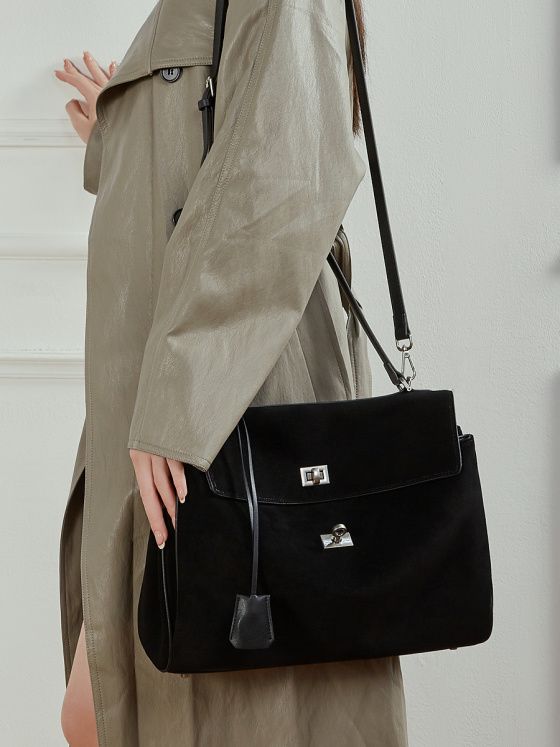
Elova Handcrafted Genuine Leather * Crossbody Bag in Black - E783
Elevate your everyday style with this handcrafted genuine leather vintage crossbody bag - large capa...
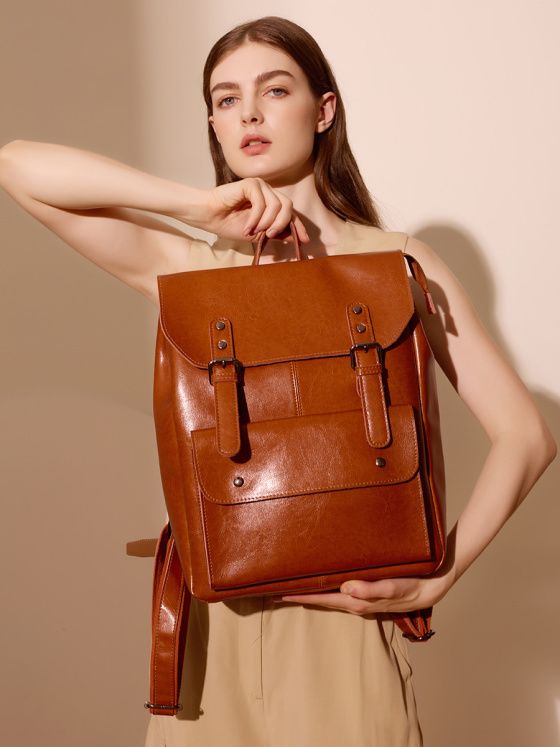
$359Elova Handcrafted Genuine Leather 14 Backpack in Black - E288
Elevate your everyday style with this handcrafted genuine cowhide leather vintage backpack - large c...
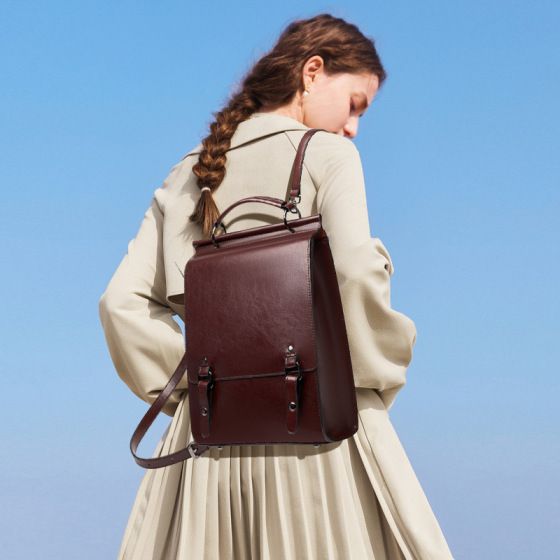
$289Elova Handcrafted Genuine Leather Backpack in Black - E173
Elevate your everyday style with this handcrafted genuine cowhide leather vintage backpack - minimal...
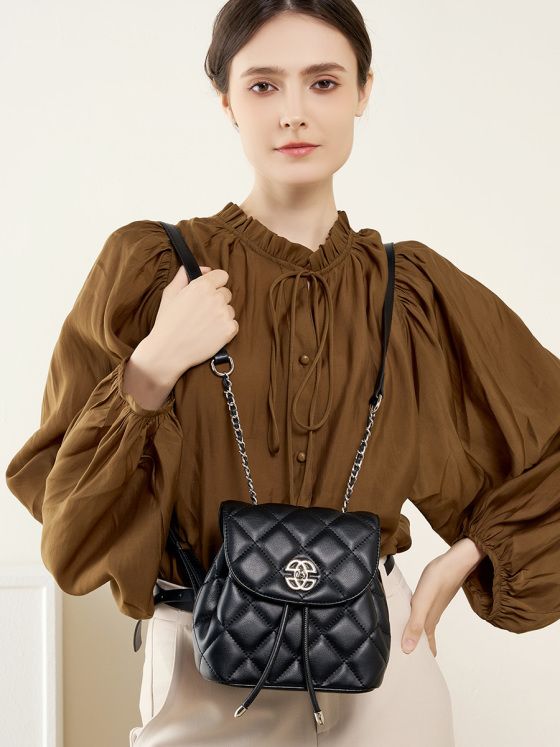
$269Elova Handcrafted Genuine Leather Backpack in Black - E363
Elevate your everyday style with this handcrafted genuine leather large capacity backpack - designer...
$239Related Articles
- How to Choose the Right Handbag Size: Complete Size Guide
Complete guide to choosing the perfect handbag size.
- Crossbody vs Shoulder Bag vs Tote: Which Handbag Style is Right for You?
Compare different handbag styles to find your perfect match.
- Best Leather Handbags Under $200 for Everyday Use
Discover affordable, quality leather handbags.