Complete Handbag Buying Guide: How to Choose the Perfect Bag
.jpg)
Quick Answer
The Buying Framework: 6 Questions Before You Purchase Most buyers approach handbag shopping backwards — they see a bag they like and then try to justify buying it. The smarter approach asks six questions first and then shops within those parameters. Question 1: What is the primary use case? Every bag serves some occasions better than others. Define yours: Daily work commute with laptop Casual daily carry (no laptop) Social and evening occasions Travel Active or outdoor use All of the above (requires genuine versatility) Question 2: How much do you carry daily? Honest self-assessment here prevents most buying mistakes.
Key Points
- 1The Buying Framework: 6 Questions Before You Purchase Most buyers approach handbag shopping backwards — they see a bag they like and then try to justify buying it
- 2The smarter approach asks six questions first and then shops within those parameters
- 3Question 1: What is the primary use case
- 4Every bag serves some occasions better than others
- 5Define yours: Daily work commute with laptop Casual daily carry (no laptop) Social and evening occasions Travel Active or outdoor use All of the above (requires genuine versatility) Question 2: How much do you carry daily
Step-by-Step Guide
What is the primary use case? Every bag serves some occasions better than others. Define yours: Daily work commute with laptop Casual daily carry (no laptop) Social and evening occasions Travel Active or outdoor use All of the above (requires genuine versatility) Question 2: How much do you carry daily? Honest self-assessment here prevents most buying mistakes. List what you carry today and measure it against prospective bag sizes. If your essentials include a 13-inch laptop, a large water bottle, a planner, and your phone, a medium crossbody will frustrate you regardless of how much you love it. Question 3: What is your dominant style register? Professional and formal environments reward structured bags in classic silhouettes. Casual lifestyles afford more freedom — softer materials, playful shapes, bolder colors. Most people fall between the two and benefit from a structured shape in a versatile material. Question 4: What colors dominate your wardrobe? The right bag color works across 80% or more of your wardrobe. The wrong bag color forces outfit-building around the bag rather than the other way around. Neutral bag colors that work universally: Black, cognac, tan, camel, warm chocolate brown Accent colors that work for secondary bags: Forest green, burgundy, navy, warm red Question 5: What is your actual budget? Not your aspirational budget — your actual, comfortable budget. Then apply cost-per-use reasoning: a $200 bag used daily for three years costs $0.18 per use. That reframes the investment significantly compared to a $40 bag replaced annually. Question 6: How important is longevity? If you want a bag that improves with age and lasts 10+ years, invest in full-grain or top-grain leather. If you are open to replacing bags every 2 to 3 years, quality synthetic and canvas options at lower price points are entirely appropriate. Choosing Your Style Crossbody bags Best for: Daily carry, travel, active lifestyles, commutes Carry style: Diagonal strap across the body Capacity: Small to medium — not suitable for laptops or heavy daily loads Occasions: Casual through smart casual, daytime through evening (in smaller styles) Shoulder bags Best for: Everyday versatility, moderate carry loads, social occasions Carry style: Single strap on one shoulder Capacity: Small to large depending on style Occasions: Casual through professional depending on construction Totes Best for: Work commutes, heavy daily loads, travel, any high-capacity need Carry style: Top handles, sometimes shoulder strap Capacity: Medium to large Occasions: Professional through casual; rarely formal evening Top-handle bags Best for: Formal and professional contexts, polished social occasions Carry style: Short handles in crook of arm or gripped; usually includes shoulder strap Capacity: Small to medium Occasions: Professional through formal Clutches and evening bags Best for: Formal events, dinners, evenings out Carry style: Held, wrist strap, or chain strap Capacity: Minimal — essentials only Occasions: Semi-formal through formal Choosing Your Material | Material | Durability | Care | Best For | Cost ||----------|-----------|------|----------|------|| Full-grain leather | Exceptional | Moderate | Investment pieces, daily carry | High || Top-grain leather | Very good | Moderate | Quality everyday bags | Medium-High || Genuine/bonded leather | Poor | Moderate | Short-term use only | Low-Medium || Canvas (waxed) | Good | Easy | Casual and travel | Low-Medium || Nylon | Very good | Very easy | Active and travel | Low-Medium || Synthetic (PU) | Poor | Easy | Trend pieces, occasional use | Low | Choosing Your Size The single most common buying mistake is choosing a bag that is too small for actual daily needs. Use this framework: Measure your daily carry: Put your usual daily items in a bag you currently own and note whether they fit comfortably, too tightly, or with room to spare. Check laptop requirements: If you carry a laptop, it needs a dedicated sleeve (not the main compartment) at least 1 inch wider than the device. Consider body proportion: Very large bags can overwhelm petite frames. Very small bags look lost on taller frames. A medium bag in the 10 to 13 inch range works for most body types and use cases. Choosing Your Color The 80/20 rule applies to bag color: your bag should work with at least 80% of your wardrobe. For most people, this means a neutral. Black: Maximum versatility, professional, works year-round. Can look heavy in spring and summer with light outfits. Tan/camel: Lighter and warmer than black, works beautifully in spring through autumn. Slightly more casual than black. Cognac: The most universally loved leather tone — warm, rich, transitions across seasons and occasions effortlessly. Chocolate brown: Rich and sophisticated, dominates autumn/winter dressing, works with most colors except navy. Warm neutrals (cream, beige): Fresh and elegant in spring/summer. Requires more maintenance to keep clean. The Checklist Before You Buy Before committing to any bag purchase, confirm: [ ] Size fits your actual daily carry (measured, not estimated) [ ] Style appropriate for your primary use occasions [ ] Material suits your maintenance commitment level [ ] Color works with 80%+ of your wardrobe [ ] Construction quality passes the smell, grain, stitching, and hardware tests [ ] Price represents fair value at the cost-per-use level you are buying for [ ] Return or exchange policy provides a safety net A bag that passes all seven criteria is worth buying. One that fails more than two will disappoint you within the first month of use.
The Buying Framework: 6 Questions Before You Purchase
Most buyers approach handbag shopping backwards — they see a bag they like and then try to justify buying it. The smarter approach asks six questions first and then shops within those parameters.
Question 1: What is the primary use case?
Every bag serves some occasions better than others. Define yours:- Daily work commute with laptop
- Casual daily carry (no laptop)
- Social and evening occasions
- Travel
- Active or outdoor use
- All of the above (requires genuine versatility)
Question 2: How much do you carry daily?
Honest self-assessment here prevents most buying mistakes. List what you carry today and measure it against prospective bag sizes. If your essentials include a 13-inch laptop, a large water bottle, a planner, and your phone, a medium crossbody will frustrate you regardless of how much you love it.Question 3: What is your dominant style register?
Professional and formal environments reward structured bags in classic silhouettes. Casual lifestyles afford more freedom — softer materials, playful shapes, bolder colors. Most people fall between the two and benefit from a structured shape in a versatile material.Question 4: What colors dominate your wardrobe?
The right bag color works across 80% or more of your wardrobe. The wrong bag color forces outfit-building around the bag rather than the other way around.Neutral bag colors that work universally: Black, cognac, tan, camel, warm chocolate brownAccent colors that work for secondary bags: Forest green, burgundy, navy, warm redQuestion 5: What is your actual budget?
Not your aspirational budget — your actual, comfortable budget. Then apply cost-per-use reasoning: a $200 bag used daily for three years costs $0.18 per use. That reframes the investment significantly compared to a $40 bag replaced annually.Question 6: How important is longevity?
If you want a bag that improves with age and lasts 10+ years, invest in full-grain or top-grain leather. If you are open to replacing bags every 2 to 3 years, quality synthetic and canvas options at lower price points are entirely appropriate.Choosing Your Style
Crossbody bags
Best for: Daily carry, travel, active lifestyles, commutesCarry style: Diagonal strap across the bodyCapacity: Small to medium — not suitable for laptops or heavy daily loadsOccasions: Casual through smart casual, daytime through evening (in smaller styles)Shoulder bags
Best for: Everyday versatility, moderate carry loads, social occasionsCarry style: Single strap on one shoulderCapacity: Small to large depending on styleOccasions: Casual through professional depending on constructionTotes
Best for: Work commutes, heavy daily loads, travel, any high-capacity needCarry style: Top handles, sometimes shoulder strapCapacity: Medium to largeOccasions: Professional through casual; rarely formal eveningTop-handle bags
Best for: Formal and professional contexts, polished social occasionsCarry style: Short handles in crook of arm or gripped; usually includes shoulder strapCapacity: Small to mediumOccasions: Professional through formalClutches and evening bags
Best for: Formal events, dinners, evenings outCarry style: Held, wrist strap, or chain strapCapacity: Minimal — essentials onlyOccasions: Semi-formal through formalChoosing Your Material
| Material | Durability | Care | Best For | Cost ||----------|-----------|------|----------|------|| Full-grain leather | Exceptional | Moderate | Investment pieces, daily carry | High || Top-grain leather | Very good | Moderate | Quality everyday bags | Medium-High || Genuine/bonded leather | Poor | Moderate | Short-term use only | Low-Medium || Canvas (waxed) | Good | Easy | Casual and travel | Low-Medium || Nylon | Very good | Very easy | Active and travel | Low-Medium || Synthetic (PU) | Poor | Easy | Trend pieces, occasional use | Low |
Choosing Your Size
The single most common buying mistake is choosing a bag that is too small for actual daily needs. Use this framework:
Measure your daily carry: Put your usual daily items in a bag you currently own and note whether they fit comfortably, too tightly, or with room to spare.Check laptop requirements: If you carry a laptop, it needs a dedicated sleeve (not the main compartment) at least 1 inch wider than the device.Consider body proportion: Very large bags can overwhelm petite frames. Very small bags look lost on taller frames. A medium bag in the 10 to 13 inch range works for most body types and use cases.Choosing Your Color
The 80/20 rule applies to bag color: your bag should work with at least 80% of your wardrobe. For most people, this means a neutral.
Black: Maximum versatility, professional, works year-round. Can look heavy in spring and summer with light outfits.Tan/camel: Lighter and warmer than black, works beautifully in spring through autumn. Slightly more casual than black.Cognac: The most universally loved leather tone — warm, rich, transitions across seasons and occasions effortlessly.Chocolate brown: Rich and sophisticated, dominates autumn/winter dressing, works with most colors except navy.Warm neutrals (cream, beige): Fresh and elegant in spring/summer. Requires more maintenance to keep clean.The Checklist Before You Buy
Before committing to any bag purchase, confirm:
- [ ] Size fits your actual daily carry (measured, not estimated)
- [ ] Style appropriate for your primary use occasions
- [ ] Material suits your maintenance commitment level
- [ ] Color works with 80%+ of your wardrobe
- [ ] Construction quality passes the smell, grain, stitching, and hardware tests
- [ ] Price represents fair value at the cost-per-use level you are buying for
- [ ] Return or exchange policy provides a safety net
A bag that passes all seven criteria is worth buying. One that fails more than two will disappoint you within the first month of use.
Why Trust Elova Bags?
98% Customer Satisfaction
Based on 10,000+ customer reviews
10,000+ Products Sold
Trusted by customers worldwide
Premium Quality Guaranteed
Genuine leather, handcrafted excellence
7-Day Money-Back Guarantee
Shop with confidence
Ready to Find Your Perfect Bag?
Browse our collection of premium leather handbags crafted with care and attention to detail
Order NowFrequently Asked Questions
QHow do I choose a handbag that suits my lifestyle?
Start with your primary use case. Daily commuters need structured, high-capacity bags with laptop compartments and secure closures. Social and weekend-focused buyers do better with versatile crossbodies or shoulder bags. Travelers need compact, anti-theft designs with multiple compartments. Mothers of young children benefit from large, easy-to-clean totes. Once you identify your dominant use case, choose size, structure, and material to serve it — then evaluate whether the bag also covers secondary occasions.
QWhat is the most versatile handbag style?
A medium leather crossbody in a neutral color — black, tan, cognac, or warm brown — is the single most versatile handbag for the majority of buyers. It is hands-free, appropriately sized for daily essentials, secure, transitions from work to social contexts, and works with virtually every outfit. If you own one bag, a quality leather crossbody is the highest-utility choice.
QHow much should I spend on a handbag?
The right investment depends on how frequently and intensively you will use the bag. A daily-carry bag used 250+ days per year justifies a $150 to $400 investment in genuine leather — the cost-per-use drops to cents over years of daily use. An occasional bag for weekend and social use can be bought at $80 to $150. Avoid spending luxury prices on bonded leather or synthetic materials regardless of brand — the material will fail before the investment feels worthwhile.
Shop the Look
Complete your style with these matching pieces
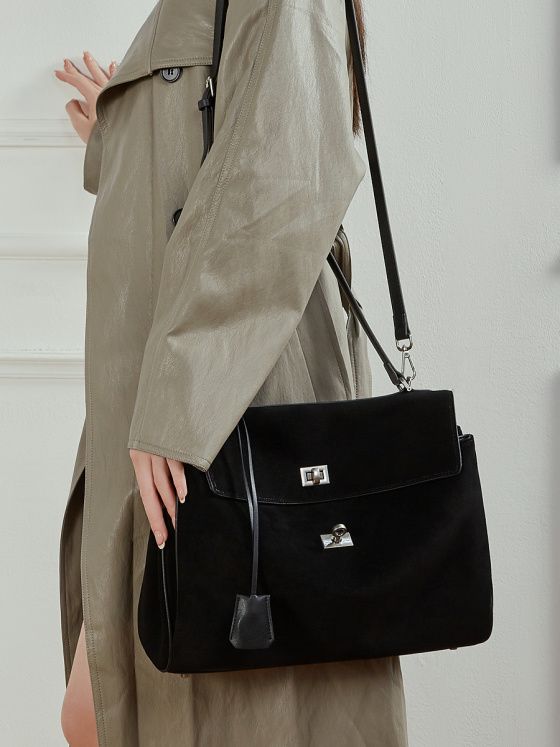
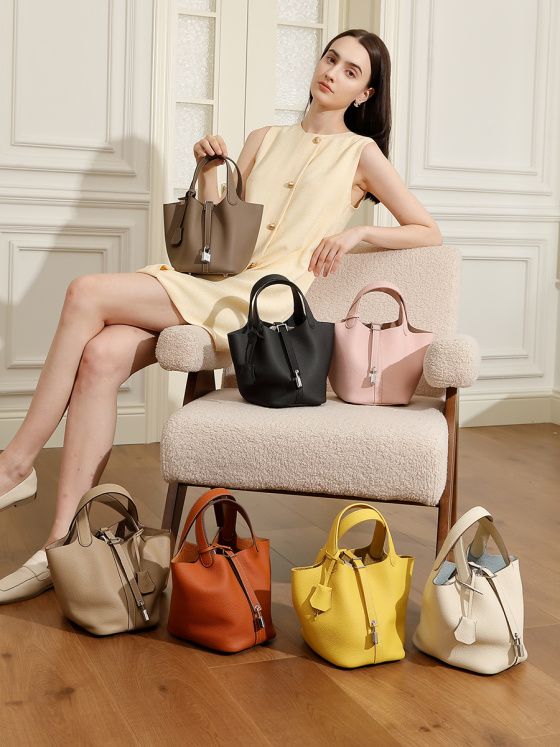
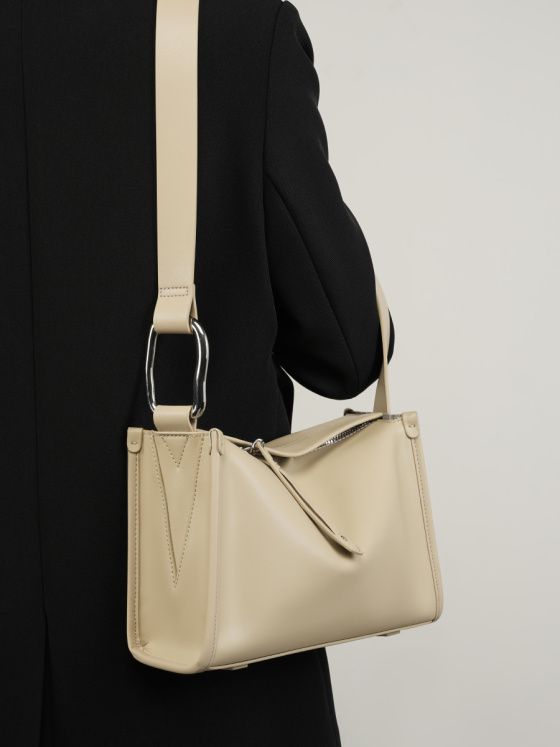
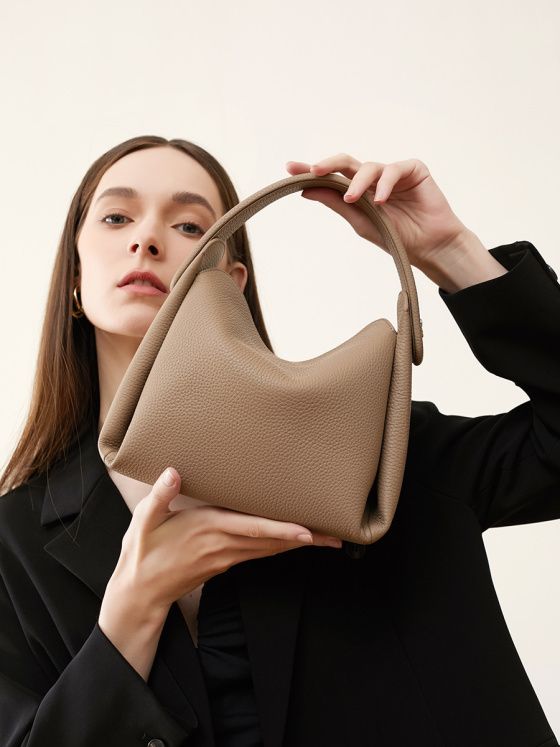
Shop Related Products
Elova Handcrafted Genuine Leather * Crossbody Bag in Black - E783
Elevate your everyday style with this handcrafted genuine leather vintage crossbody bag - large capa...
$359Elova Handcrafted Genuine Leather - Bag in Black - E693
Elevate your everyday style with this handcrafted genuine cowhide leather fashion women's bag - vers...
$199Elova Handcrafted Genuine Leather - Bag in White - E434
Elevate your everyday style with this handcrafted genuine leather large capacity handbag - premium d...
$219Elova Handcrafted Genuine Leather - Crossbody Bag in Black - E280
Elevate your everyday style with this handcrafted genuine cowhide leather premium handbag - versatil...
$259Related Articles
- How to Choose the Right Handbag Size: Complete Size Guide
Complete guide to choosing the perfect handbag size.
- Crossbody vs Shoulder Bag vs Tote: Which Handbag Style is Right for You?
Compare different handbag styles to find your perfect match.
- Best Leather Handbags Under $200 for Everyday Use
Discover affordable, quality leather handbags.