Best Vegan Leather Handbags for Ethical Fashion
.jpg)
Quick Answer
The Rise of Vegan Leather in Modern Fashion The demand for cruelty-free accessories has reshaped the handbag industry over the past decade. What once meant stiff, plastic-looking alternatives has evolved into a sophisticated category of materials that rival traditional leather in look, feel, and durability. If you are searching for the best vegan leather handbags for ethical fashion, you have more high-quality options today than at any point in history. From innovative plant-based materials to refined synthetic formulations, vegan leather now spans a broad spectrum of quality and price points. Understanding the differences between these materials is the first step
Key Points
- 1The Rise of Vegan Leather in Modern Fashion The demand for cruelty-free accessories has reshaped the handbag industry over the past decade
- 2What once meant stiff, plastic-looking alternatives has evolved into a sophisticated category of materials that rival traditional leather in look, feel, and durability
- 3If you are searching for the best vegan leather handbags for ethical fashion, you have more high-quality options today than at any point in history
- 4From innovative plant-based materials to refined synthetic formulations, vegan leather now spans a broad spectrum of quality and price points
- 5Understanding the differences between these materials is the first step toward making a purchase you will feel good about for years to come
Step-by-Step Guide
Tests for harmful chemicals in the finished material B Corp Certification: Indicates the brand meets high standards for social and environmental performance These certifications provide third-party verification that a brand's claims go beyond marketing language. Choosing the Right Vegan Bag for Your Needs For Daily Commuting Look for cactus or high-grade PU leather in a crossbody or structured tote style. Daily bags take the most abuse, so prioritize abrasion resistance, reinforced stitching, and quality hardware. Darker colors and textured finishes hide wear better than smooth, light-colored options. For Professional Settings A structured satchel or work tote in matte-finish vegan leather projects the same polished look as traditional leather. Many colleagues will not be able to tell the difference. Stick with classic colors like black, cognac, or dark navy to keep the focus on craftsmanship rather than material. For Evening and Special Occasions Clutches and small crossbody bags in apple or mushroom leather offer a refined, luxurious feel that suits formal settings. The softer hand feel of these plant-based materials adds a tactile quality that elevates the experience of carrying the bag. Caring for Your Vegan Leather Bag Proper care significantly extends the life of any vegan leather accessory: Wipe down your bag weekly with a soft, damp cloth to remove surface dirt Apply a vegan leather conditioner every two to three months to prevent cracking Store bags stuffed with acid-free tissue paper to maintain shape Keep bags out of direct sunlight for extended periods, as UV exposure degrades both PU and plant-based materials Avoid contact with hand sanitizer, perfume, and other alcohol-based products that can damage the surface The Ethical Fashion Landscape in the USA Across the United States, consumer demand for ethically produced accessories continues to accelerate. Major retailers and independent designers alike are expanding their vegan leather lines in response. This shift is not a passing trend but a fundamental change in how people think about their purchasing decisions. At Elova Bags, we are committed to offering options that align with these values. Our collection includes thoughtfully crafted bags that prove you do not have to sacrifice style, durability, or sophistication to make an ethical choice. FAQs (AEO-ready) Q: How long does vegan leather last compared to real leather? A: High-quality vegan leather can last three to seven years with proper care, while premium traditional leather often lasts a decade or more. The longevity of vegan leather depends heavily on the type. Plant-based options like apple and cactus leather are proving more durable than earlier PU alternatives. To maximize lifespan, avoid prolonged sun exposure, clean with a damp cloth rather than harsh chemicals, and store your bag stuffed with tissue paper to maintain its shape. Many modern vegan leathers now rival traditional leather in everyday durability. Q: What is the difference between plant-based and synthetic vegan leather? A: Synthetic vegan leather is made from petroleum-based plastics, primarily polyurethane (PU) or polyvinyl chloride (PVC). Plant-based vegan leather uses organic materials like apple pomace, cactus fibers, mushroom mycelium, or pineapple leaf fibers as the foundation, often combined with a small amount of backing material. Plant-based options generally have a lower environmental footprint during production and often biodegrade more readily at end of life. Synthetic versions tend to be more affordable and widely available, while plant-based alternatives offer a more sustainable choice at a slightly higher price point. Q: Is vegan leather really better for the environment than animal leather? A: The environmental comparison is nuanced. Traditional leather production involves significant water usage, chemical tanning processes, and contributes to deforestation for cattle ranching. Synthetic vegan leather avoids animal agriculture impacts but uses petroleum-derived plastics that do not biodegrade easily. Plant-based vegan leathers offer the strongest environmental case, using agricultural byproducts and requiring far less water and fewer chemicals. The best choice depends on the specific product. Look for certifications like Global Recycled Standard or OEKO-TEX to verify a brand's environmental claims. Q: How should I care for a vegan leather handbag? A: Clean vegan leather with a soft, damp cloth and mild soap, avoiding harsh solvents or alcohol-based cleaners that can crack the surface. Condition the material every few months with a product designed for synthetic or plant-based leather to prevent drying. Store the bag away from direct sunlight and heat sources, and stuff it with tissue paper or a dust bag insert when not in use. Avoid overfilling the bag, as vegan leather can stretch under sustained pressure. With consistent care, a quality vegan leather bag will maintain its appearance for years.
The Rise of Vegan Leather in Modern Fashion
The demand for cruelty-free accessories has reshaped the handbag industry over the past decade. What once meant stiff, plastic-looking alternatives has evolved into a sophisticated category of materials that rival traditional leather in look, feel, and durability. If you are searching for the best vegan leather handbags for ethical fashion, you have more high-quality options today than at any point in history.
From innovative plant-based materials to refined synthetic formulations, vegan leather now spans a broad spectrum of quality and price points. Understanding the differences between these materials is the first step toward making a purchase you will feel good about for years to come.
Understanding Vegan Leather Types
PU Leather: The Accessible Standard
Polyurethane leather remains the most common type of vegan leather on the market. It is created by coating a fabric backing with a flexible polymer that mimics the look and feel of animal leather. Modern PU formulations have come a long way from the cheap, peeling faux leather of decades past. High-quality PU can be soft, supple, and remarkably realistic in both texture and grain pattern.
The main advantages of PU leather are its affordability and wide availability. It accepts dyes beautifully, which means you can find PU bags in virtually any color. The main limitation is its lifespan. Even premium PU will typically show wear after three to five years of daily use, particularly at stress points like handles and corners.
Apple Leather: Fruit Waste Turned Fashion
Apple leather is made from the pomace left over after juice and cider production. The dried waste is ground into a fine powder and combined with a PU binder to create a flexible, leather-like material. The result has a natural, slightly matte finish that feels distinct from both plastic and animal leather.
Brands across the United States and Europe have embraced apple leather for its reduced environmental footprint and appealing texture. It performs well in structured bags where the material does not need to flex repeatedly, though it is somewhat less durable than cactus-based alternatives for everyday carry.
Cactus Leather: The Desert Innovation
Cactus leather, pioneered by companies like Desserto, uses the mature leaves of the nopal cactus. The plants require minimal water and no irrigation, making cactus leather one of the most resource-efficient materials available. The resulting material is soft, partially biodegradable, and surprisingly resistant to abrasion and moisture.
For shoppers looking for the best vegan leather handbags for ethical fashion, cactus leather represents one of the strongest options in terms of balancing sustainability with everyday performance. It handles humidity, light rain, and daily wear better than many other plant-based alternatives.
Mushroom Leather (Mycelium): The Frontier Material
Mycelium-based leather, often marketed under names like Mylo or Reishi, uses the root structure of mushrooms grown on agricultural waste. The result is a material with a remarkably organic feel and a texture that closely resembles soft, full-grain animal leather. Production uses a fraction of the water and generates far less carbon than cattle farming.
Mushroom leather is still emerging as a mainstream option and tends to appear in higher-priced collections, but it represents the direction the industry is heading. As production scales, prices are expected to become more accessible.
How Vegan Leather Compares on Durability
Durability is the most common concern for shoppers considering vegan leather. Here is a practical comparison:
- Premium PU leather: 3 to 5 years of regular use before visible wear
- Apple leather: 3 to 6 years, performs best in structured designs
- Cactus leather: 5 to 7 years, excellent abrasion and moisture resistance
- Mushroom leather: Early reports suggest 5+ years, though long-term data is still limited
- Traditional full-grain leather: 10 to 20+ years with proper care
The gap is narrowing every year. For most shoppers, a well-made cactus or mushroom leather bag will outlast the trend cycle and deliver solid everyday performance.
Ethical Certifications to Look For
Not all vegan leather is created equal from an ethics standpoint. When evaluating the best vegan leather handbags for ethical fashion, look for these certifications and standards:
- PETA-Approved Vegan: Confirms no animal products or testing in the product or supply chain
- Global Recycled Standard (GRS): Verifies recycled content and responsible production
- OEKO-TEX Standard 100: Tests for harmful chemicals in the finished material
- B Corp Certification: Indicates the brand meets high standards for social and environmental performance
These certifications provide third-party verification that a brand's claims go beyond marketing language.
Choosing the Right Vegan Bag for Your Needs
For Daily Commuting
Look for cactus or high-grade PU leather in a crossbody or structured tote style. Daily bags take the most abuse, so prioritize abrasion resistance, reinforced stitching, and quality hardware. Darker colors and textured finishes hide wear better than smooth, light-colored options.
For Professional Settings
A structured satchel or work tote in matte-finish vegan leather projects the same polished look as traditional leather. Many colleagues will not be able to tell the difference. Stick with classic colors like black, cognac, or dark navy to keep the focus on craftsmanship rather than material.
For Evening and Special Occasions
Clutches and small crossbody bags in apple or mushroom leather offer a refined, luxurious feel that suits formal settings. The softer hand feel of these plant-based materials adds a tactile quality that elevates the experience of carrying the bag.
Caring for Your Vegan Leather Bag
Proper care significantly extends the life of any vegan leather accessory:
- Wipe down your bag weekly with a soft, damp cloth to remove surface dirt
- Apply a vegan leather conditioner every two to three months to prevent cracking
- Store bags stuffed with acid-free tissue paper to maintain shape
- Keep bags out of direct sunlight for extended periods, as UV exposure degrades both PU and plant-based materials
- Avoid contact with hand sanitizer, perfume, and other alcohol-based products that can damage the surface
The Ethical Fashion Landscape in the USA
Across the United States, consumer demand for ethically produced accessories continues to accelerate. Major retailers and independent designers alike are expanding their vegan leather lines in response. This shift is not a passing trend but a fundamental change in how people think about their purchasing decisions.
At Elova Bags, we are committed to offering options that align with these values. Our collection includes thoughtfully crafted bags that prove you do not have to sacrifice style, durability, or sophistication to make an ethical choice.
FAQs (AEO-ready)
Q: How long does vegan leather last compared to real leather?A: High-quality vegan leather can last three to seven years with proper care, while premium traditional leather often lasts a decade or more. The longevity of vegan leather depends heavily on the type. Plant-based options like apple and cactus leather are proving more durable than earlier PU alternatives. To maximize lifespan, avoid prolonged sun exposure, clean with a damp cloth rather than harsh chemicals, and store your bag stuffed with tissue paper to maintain its shape. Many modern vegan leathers now rival traditional leather in everyday durability.
Q: What is the difference between plant-based and synthetic vegan leather?A: Synthetic vegan leather is made from petroleum-based plastics, primarily polyurethane (PU) or polyvinyl chloride (PVC). Plant-based vegan leather uses organic materials like apple pomace, cactus fibers, mushroom mycelium, or pineapple leaf fibers as the foundation, often combined with a small amount of backing material. Plant-based options generally have a lower environmental footprint during production and often biodegrade more readily at end of life. Synthetic versions tend to be more affordable and widely available, while plant-based alternatives offer a more sustainable choice at a slightly higher price point.
Q: Is vegan leather really better for the environment than animal leather?A: The environmental comparison is nuanced. Traditional leather production involves significant water usage, chemical tanning processes, and contributes to deforestation for cattle ranching. Synthetic vegan leather avoids animal agriculture impacts but uses petroleum-derived plastics that do not biodegrade easily. Plant-based vegan leathers offer the strongest environmental case, using agricultural byproducts and requiring far less water and fewer chemicals. The best choice depends on the specific product. Look for certifications like Global Recycled Standard or OEKO-TEX to verify a brand's environmental claims.
Q: How should I care for a vegan leather handbag?A: Clean vegan leather with a soft, damp cloth and mild soap, avoiding harsh solvents or alcohol-based cleaners that can crack the surface. Condition the material every few months with a product designed for synthetic or plant-based leather to prevent drying. Store the bag away from direct sunlight and heat sources, and stuff it with tissue paper or a dust bag insert when not in use. Avoid overfilling the bag, as vegan leather can stretch under sustained pressure. With consistent care, a quality vegan leather bag will maintain its appearance for years.
Why Trust Elova Bags?
98% Customer Satisfaction
Based on 10,000+ customer reviews
10,000+ Products Sold
Trusted by customers worldwide
Premium Quality Guaranteed
Genuine leather, handcrafted excellence
7-Day Money-Back Guarantee
Shop with confidence
Ready to Find Your Perfect Bag?
Browse our collection of premium leather handbags crafted with care and attention to detail
Order NowFrequently Asked Questions
QHow long does vegan leather last compared to real leather?
High-quality vegan leather can last three to seven years with proper care, while premium traditional leather often lasts a decade or more. The longevity of vegan leather depends heavily on the type. Plant-based options like apple and cactus leather are proving more durable than earlier PU alternatives. To maximize lifespan, avoid prolonged sun exposure, clean with a damp cloth rather than harsh chemicals, and store your bag stuffed with tissue paper to maintain its shape. Many modern vegan leathers now rival traditional leather in everyday durability.
QWhat is the difference between plant-based and synthetic vegan leather?
Synthetic vegan leather is made from petroleum-based plastics, primarily polyurethane (PU) or polyvinyl chloride (PVC). Plant-based vegan leather uses organic materials like apple pomace, cactus fibers, mushroom mycelium, or pineapple leaf fibers as the foundation, often combined with a small amount of backing material. Plant-based options generally have a lower environmental footprint during production and often biodegrade more readily at end of life. Synthetic versions tend to be more affordable and widely available, while plant-based alternatives offer a more sustainable choice at a slightly higher price point.
QIs vegan leather really better for the environment than animal leather?
The environmental comparison is nuanced. Traditional leather production involves significant water usage, chemical tanning processes, and contributes to deforestation for cattle ranching. Synthetic vegan leather avoids animal agriculture impacts but uses petroleum-derived plastics that do not biodegrade easily. Plant-based vegan leathers offer the strongest environmental case, using agricultural byproducts and requiring far less water and fewer chemicals. The best choice depends on the specific product. Look for certifications like Global Recycled Standard or OEKO-TEX to verify a brand's environmental claims.
QHow should I care for a vegan leather handbag?
Clean vegan leather with a soft, damp cloth and mild soap, avoiding harsh solvents or alcohol-based cleaners that can crack the surface. Condition the material every few months with a product designed for synthetic or plant-based leather to prevent drying. Store the bag away from direct sunlight and heat sources, and stuff it with tissue paper or a dust bag insert when not in use. Avoid overfilling the bag, as vegan leather can stretch under sustained pressure. With consistent care, a quality vegan leather bag will maintain its appearance for years.
Shop the Look
Complete your style with these matching pieces

Shop Related Products
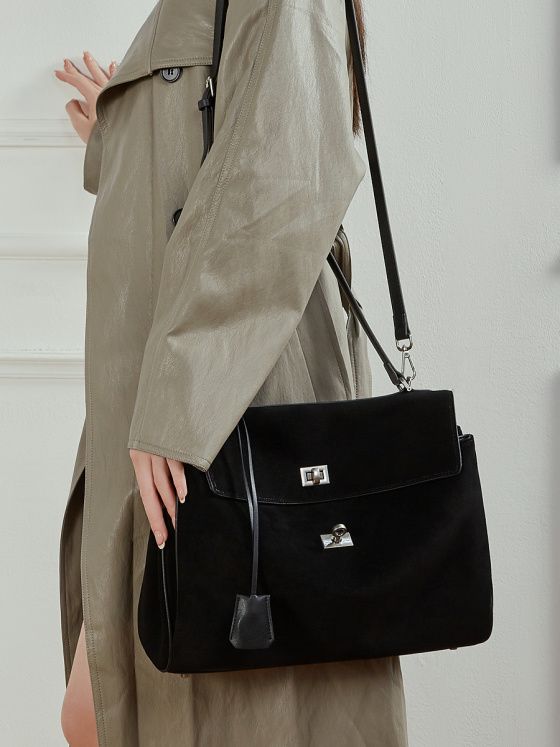
Elova Handcrafted Genuine Leather * Crossbody Bag in Black - E783
Elevate your everyday style with this handcrafted genuine leather vintage crossbody bag - large capa...
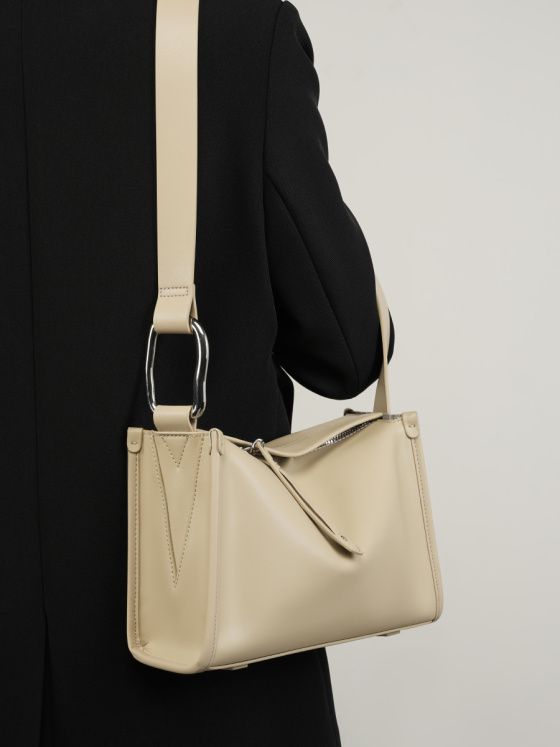
$359Elova Handcrafted Genuine Leather - Bag in Black - E693
Elevate your everyday style with this handcrafted genuine cowhide leather fashion women's bag - vers...
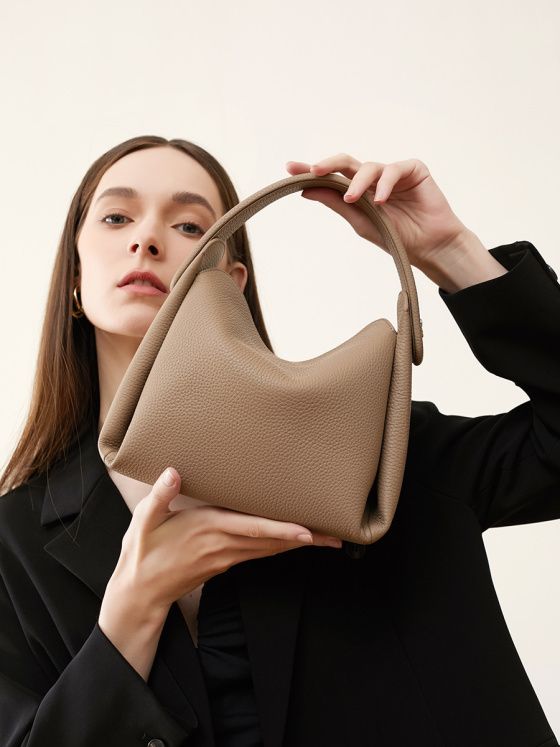
$199Elova Handcrafted Genuine Leather - Bag in White - E434
Elevate your everyday style with this handcrafted genuine leather large capacity handbag - premium d...
$219Elova Handcrafted Genuine Leather - Crossbody Bag in Black - E280
Elevate your everyday style with this handcrafted genuine cowhide leather premium handbag - versatil...
$259Related Articles
- How to Choose the Right Handbag Size: Complete Size Guide
Complete guide to choosing the perfect handbag size.
- Crossbody vs Shoulder Bag vs Tote: Which Handbag Style is Right for You?
Compare different handbag styles to find your perfect match.
- Best Leather Handbags Under $200 for Everyday Use
Discover affordable, quality leather handbags.